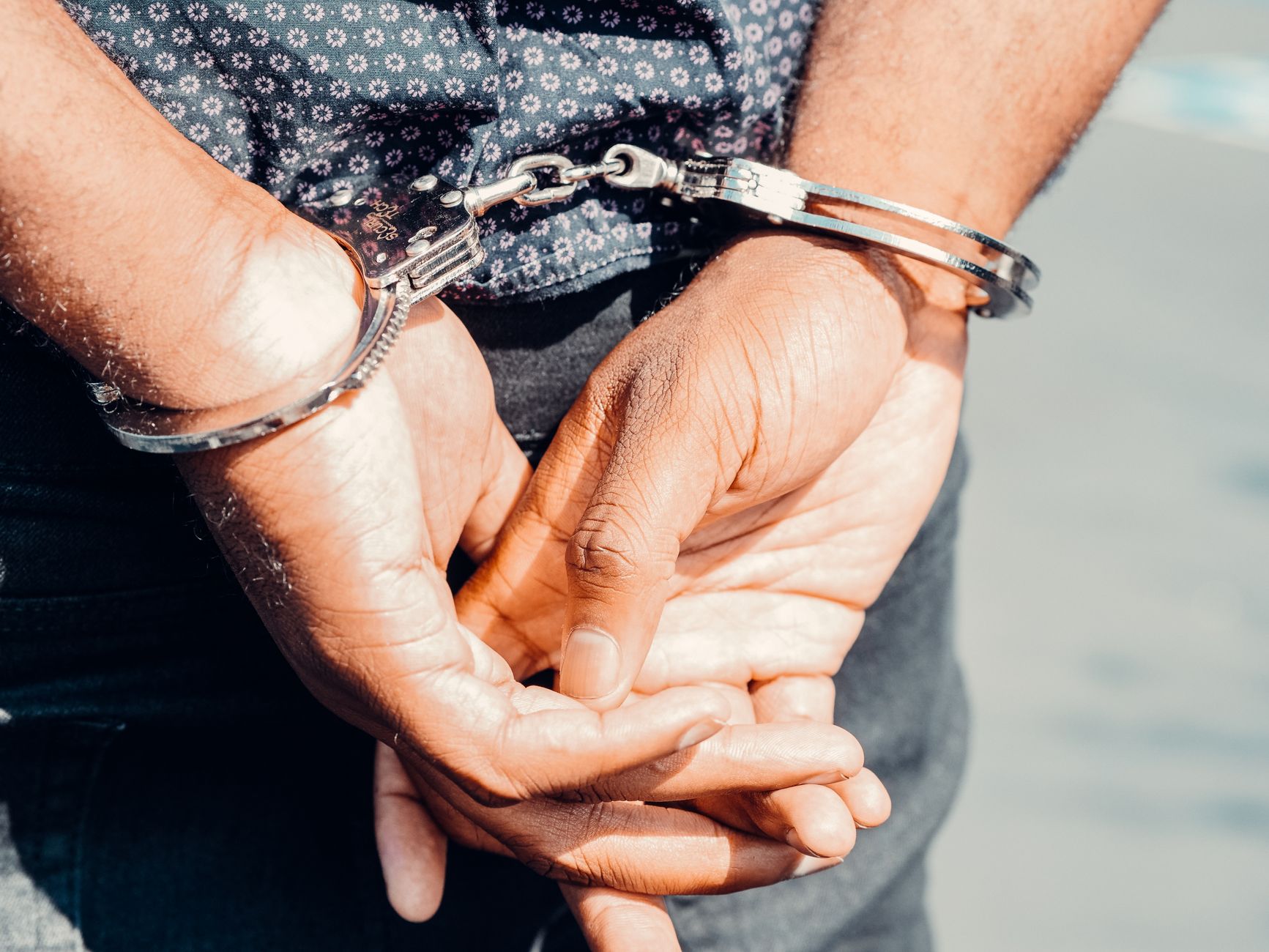
Botched execution pain is a reality that many may not understand. Pike describes his harrowing experience of suffering and isolation following a failed execution attempt.
Understanding botched executions
Understanding the complexities surrounding botched executions is crucial to addressing the ethical and emotional ramifications they bring. In recent discussions, individuals like Pike have bravely shared their personal experiences, highlighting the intense pain and isolation that can result from these tragic events.
Pike’s account sheds light on the physical and psychological toll inflicted during a botched execution. He recalls a sense of helplessness as the procedure unfolded, emphasizing that the pain was not just physical but also deeply emotional. The lingering effects of the experience have left him grappling with feelings of isolation.
Several key factors contribute to the occurrence of botched executions:
- Inadequate training of execution teams, leading to mistakes during the process.
- Drug complications, such as the use of improper or untested substances.
- Lack of oversight, which can prevent accountability for the methods used.
As discussions continue, the focus remains on understanding the profound implications of botched execution pain and advocating for reform within the justice system.
Pike’s personal account
In a candid interview, Pike opened up about the harrowing experience he endured during his botched execution. He described the overwhelming pain that coursed through his body, a sensation that lingered long after the procedure had ended. “My body hurts,” he stated, emphasizing the physical and emotional toll the incident took on him.
Pike recounted the moments leading up to the execution, recalling his feelings of isolation and despair. He felt as though he was trapped in a nightmare, unable to escape the reality of his situation. The pain he experienced was not just physical; it was deeply psychological, leaving scars that would not easily fade.
His account sheds light on the often-overlooked human aspect of capital punishment. Pike detailed how the botched execution process affected his mental health, leading to anxiety and depression. He expressed a desire for the public to understand the true impact of such procedures, stating, “No one should have to go through this kind of pain.”
Through his story, Pike hopes to raise awareness about the flaws in the execution system and advocate for more humane methods.
The impact of failed executions
The aftermath of a botched execution can leave deep and lasting scars, both physically and emotionally. Many individuals who experience such failed procedures report significant pain and suffering, as highlighted by Pike’s honest account. He described the intense discomfort that followed the procedure, stating, “My body hurts”, a reflection of the physical toll endured during the execution attempt.
The psychological impact is equally profound, leading to feelings of isolation and despair. In Pike’s case, the failed execution not only affected him physically but also stripped away his sense of dignity, creating an overwhelming sense of vulnerability. He expressed that the experience left him grappling with a profound existential crisis, as he questioned the fairness and morality of the system that allowed such events to occur.
Many advocates argue that these botched execution incidents highlight the urgent need for reform within the criminal justice system. The discussion surrounding execution methods and their ethical implications has never been more critical, as the pain experienced by those like Pike cannot be ignored or dismissed.
Legal implications of botched executions
The legal implications of botched executions have become a significant topic of discussion in recent years. As the method of execution is scrutinized, questions arise about the ethical responsibilities of the state, the protocols in place, and the potential for human rights violations. When an execution does not proceed as planned, as experienced by Pike, it raises concerns regarding botched execution pain that can result from improper administration of lethal substances.
Many states have faced lawsuits claiming that botched executions constitute cruel and unusual punishment, violating the Eighth Amendment of the U.S. Constitution. These legal challenges often lead to a reevaluation of execution methods and policies. Some argue that the lack of transparency in execution procedures only exacerbates the problem, making it difficult to hold officials accountable.
Furthermore, the psychological toll on executioners, witnesses, and the inmates themselves complicates the legal landscape. As more individuals come forward with their experiences, there is a growing call for reform in the capital punishment system to ensure that such painful incidents are minimized, if not eradicated altogether.
Public reaction to execution failures
The public reaction to instances of botched executions has been overwhelmingly critical, with many expressing outrage over the suffering inflicted on inmates. In recent years, social media has amplified voices calling for reform, emphasizing the ethical implications of capital punishment when procedures fail.
According to a recent survey, a significant portion of the population believes that the justice system should reevaluate its methods. Many argue that the emotional and physical distress, as described by Pike, highlights the potential for severe pain during these executions.
- Increased Awareness: Many advocacy groups have emerged, focusing on the humane treatment of inmates and bringing attention to the flaws in execution protocols.
- Calls for Reform: Activists are demanding that states reconsider the death penalty, citing Pike’s testimony as a chilling example of botched execution pain.
- Public Protests: Demonstrations have been organized in various cities, pushing for the abolition of the death penalty altogether.
The conversation surrounding these failures continues to evolve, reflecting a growing concern over the moral implications of administering capital punishment in a flawed system.
Comparing execution methods
As discussions surrounding execution methods continue, it is essential to compare the various techniques used in capital punishment. Different methods can significantly impact the experience of the condemned and may influence the likelihood of a botched execution, leading to prolonged pain for the individual.
Among the most common methods are:
- Lethal Injection: This method is often considered the most humane; however, complications can arise from improper administration, resulting in severe discomfort and suffering.
- Electric Chair: While historically used, this method can lead to excruciating pain if not executed correctly, raising ethical questions about its use.
- Gas Chamber: This method is controversial due to the potential for a botched execution that may cause distress and panic for the individual.
- Firing Squad: Though seen by some as a more reliable method, it can still result in lingering pain if the shots are not accurately placed.
The conversation around execution methods is crucial in understanding the implications of botched executions and the resulting pain experienced by those affected.
Mental health effects on inmates
The mental health effects on inmates who experience botched executions can be profound and long-lasting. According to Pike, the psychological toll is just as significant as the physical pain endured during the procedure. He describes feelings of isolation and despair that often accompany the aftermath of such traumatic events.
Pike noted that many prisoners grapple with anxiety and depression, exacerbated by the fear of facing a botched execution again. This fear can lead to a deterioration in mental well-being, affecting their ability to cope with their circumstances. The uncertainty surrounding the execution process only adds to the distress.
Furthermore, the stigma associated with botched executions can leave inmates feeling marginalized even within the prison community. Pike shared that inmates often feel they are viewed as failures, both by society and by each other, which can hinder their rehabilitation and personal growth.
In summary, the impact of botched execution pain extends far beyond the physical realm, influencing the mental health of those who endure such experiences. As Pike’s story illustrates, the psychological scars can be just as damaging as the physical ones, marking a significant aspect of the broader discourse on capital punishment.
Calls for reform in the justice system
As discussions continue surrounding the issue of botched executions, advocates are calling for significant reforms in the justice system. Many believe that the current methods of capital punishment are outdated and inhumane, leading to unnecessary suffering. Among the most vocal is Pike himself, who has described his own experience as one marked by extreme pain and isolation.
Supporters of reform argue that the justice system must prioritize humane treatment, regardless of the crime committed. Key points for consideration include:
- Implementing more stringent regulations on execution protocols.
- Evaluating the effectiveness of various execution methods to minimize the risk of botched executions.
- Providing mental health support for inmates facing capital punishment.
- Ensuring transparency in the execution process to rebuild public trust.
Many question whether the death penalty itself is viable in a system where botched execution pain can lead to prolonged suffering. As a result, the call for a reevaluation of capital punishment practices is growing louder, pushing lawmakers to take a stand amid increasing public scrutiny.
Pike’s testimony sheds light on the often-overlooked reality of botched execution pain, revealing the emotional and physical toll it takes on those involved. His honest experience serves as a powerful reminder of the complexities surrounding the issue of capital punishment and the human suffering associated with botched execution pain.