
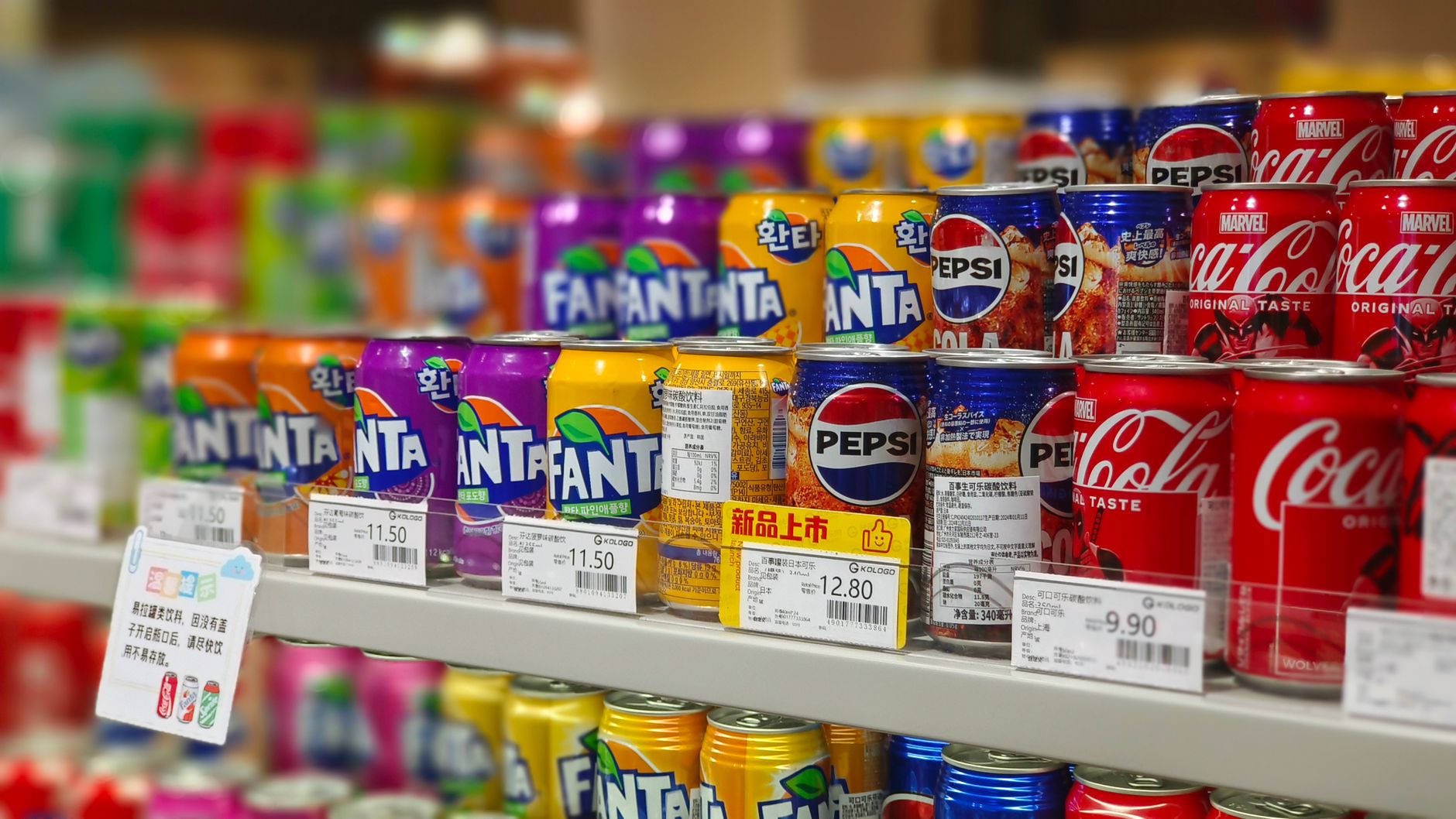
Consumer brands price hikes are a significant concern in today’s economy. With inflation impacting costs, many top brands in India are choosing to avoid increasing prices, raising questions about their strategies.
Understanding Inflation’s Impact on Pricing
The recent trend of consumer brands price hikes can be attributed to various economic factors, with inflation being a significant driver. As inflation rises, the cost of raw materials and production increases, prompting brands to reconsider their pricing strategies.
Several key aspects contribute to understanding how inflation impacts pricing:
- Increased Production Costs: Higher prices for materials lead to increased expenses in manufacturing, pushing brands to raise their prices.
- Supply Chain Disruptions: Ongoing global supply chain issues have exacerbated cost pressures, forcing companies to adjust their pricing models.
- Consumer Behavior: Brands are closely monitoring consumer responses, as they balance the need to maintain profitability with the risk of losing customers due to price hikes.
Ultimately, while some consumer brands are hesitant to implement price hikes, the underlying economic conditions make it increasingly challenging to avoid them.
Why Brands Are Hesitant to Raise Prices
Many consumer brands are currently grappling with the decision to implement price hikes. A significant factor influencing their hesitance is the fear of losing price-sensitive customers. As inflation continues to impact various sectors, brands are acutely aware that raising prices might push loyal consumers towards cheaper alternatives.
Additionally, market competition plays a crucial role. If one brand increases their prices, it can lead to a domino effect, prompting others to follow suit. However, this can also alienate customers who may seek more affordable options. Brands are weighing their long-term viability against immediate profit margins.
Furthermore, consumer sentiment is a vital consideration. Brands recognize the potential backlash from consumers who are already struggling with rising costs in their daily lives. Therefore, many are opting for strategic alternatives, such as reducing product sizes or altering formulations, to maintain their market position without imposing significant consumer brands price hikes.
The Role of Consumer Demand in Pricing Strategies
The interplay between consumer demand and pricing strategies is crucial for understanding the recent trends in consumer brands price hikes. As inflation continues to impact the economy, brands are closely monitoring consumer behavior to determine their pricing approaches.
Many companies are hesitant to raise prices, fearing that higher costs may push consumers to seek alternatives. In contrast, some brands find that strong demand allows them to implement price hikes without significant backlash. This dynamic leads to a careful balancing act where brands must gauge consumer sentiment and willingness to pay.
Factors influencing consumer demand include:
- Income levels and purchasing power
- Consumer confidence and economic outlook
- Availability of substitutes and competitor pricing
Ultimately, understanding these elements is essential for brands to navigate the complexities of pricing in today’s volatile market.
Economic Factors Influencing Price Decisions
As the landscape of consumer brands price hikes continues to evolve, several economic factors play a critical role in shaping these decisions. The persistent inflation seen in many markets has forced brands to reevaluate their pricing strategies. Key influences include:
- Cost of Raw Materials: Fluctuations in the prices of essential ingredients and materials can significantly affect production costs.
- Supply Chain Disruptions: Ongoing global supply chain challenges have resulted in increased transportation and logistics expenses.
- Market Competition: Brands must consider how their pricing compares with competitors, often leading to reluctance in implementing price hikes.
- Consumer Sentiment: A cautious consumer base may lead brands to absorb costs rather than passing them on, in an effort to maintain loyalty.
These factors are crucial as brands navigate the delicate balance between profitability and customer retention amid rising prices.
How Brands Maintain Profit Margins
As consumer brands navigate the complexities of maintaining profit margins, several strategies come into play that allow them to manage costs without alienating their customer base. Price hikes can be a double-edged sword; while they may help recover lost profits, they can also drive consumers away.
To sustain profitability, brands often resort to the following tactics:
- Cost Efficiency: Streamlining operations and reducing waste can help brands mitigate rising costs.
- Value Addition: Enhancing product features or bundling services can justify higher prices without appearing to increase costs outright.
- Brand Loyalty: Engaging consumers through loyalty programs can encourage repeat purchases, making price hikes more palatable.
- Selective Pricing: Instead of blanket price increases, brands may opt for targeted hikes on premium products, preserving overall consumer sentiment.
Ultimately, while consumer brands price hikes may seem necessary, the goal is to balance profitability with consumer satisfaction.
Comparing Price Strategies Across Industries
In today’s competitive market, consumer brands are increasingly evaluating their pricing strategies to navigate the challenges posed by inflation. While some sectors have opted for gradual price hikes, others are implementing innovative approaches to maintain customer loyalty and market share.
For instance, in the tech industry, brands often introduce new features or products at a premium, while keeping older models at a lower price point to attract budget-conscious consumers. Conversely, the food and beverage sector typically resorts to small, incremental price increases, allowing consumers to adjust without feeling a significant impact on their wallets.
This variation in strategies highlights the importance of understanding consumer behavior and market dynamics. As companies weigh their options, the recent trend of consumer brands price hikes has raised questions about long-term sustainability and brand perception among increasingly price-sensitive shoppers.
Ultimately, the effectiveness of these strategies will depend on the ability of brands to balance profitability with consumer expectations.
Consumer Reactions to Price Stability
As consumer brands face pressure to adjust their pricing strategies, reactions from customers reveal a complex landscape of expectations and frustrations. Many shoppers are expressing a desire for price stability, particularly as they navigate the effects of inflation on their daily expenses.
In recent surveys, consumers have highlighted several key factors influencing their sentiments:
- Value for Money: Shoppers are increasingly aware of price hikes and are scrutinizing the value offered by brands.
- Brand Loyalty: While some consumers remain loyal, others are willing to switch to alternatives if price hikes become excessive.
- Transparency: Brands that communicate the reasons behind their pricing decisions tend to foster more trust, especially during uncertain economic times.
Overall, the response to consumer brands’ price hikes reflects a balancing act between maintaining profitability and meeting customer expectations.
Future Outlook for Pricing in India
The future outlook for consumer brands price hikes in India appears complex as companies navigate an unpredictable economic landscape. Many brands are cautiously optimistic, anticipating a gradual shift in pricing strategies depending on various factors.
Firstly, consumer sentiment and purchasing power will play crucial roles in determining whether brands can implement price hikes without alienating their customer base. Additionally, brands are closely monitoring raw material costs and supply chain stability, which are critical in shaping their pricing decisions.
Moreover, with the ongoing discussions about inflation, brands may adopt a more flexible pricing approach, allowing them to adjust prices in response to market conditions.
As brands strategize for the future, they must balance profitability with affordability, ensuring that their pricing remains competitive while also reflecting the realities of the market. This delicate balance will ultimately dictate the extent and frequency of consumer brands price hikes in India.
As we delve deeper into the issue of consumer brands price hikes, it’s essential to understand the various factors driving these increases. Many experts argue that rising production costs are one of the primary reasons behind consumer brands price hikes in recent months.
Photo by 乾 黄 on Pexels