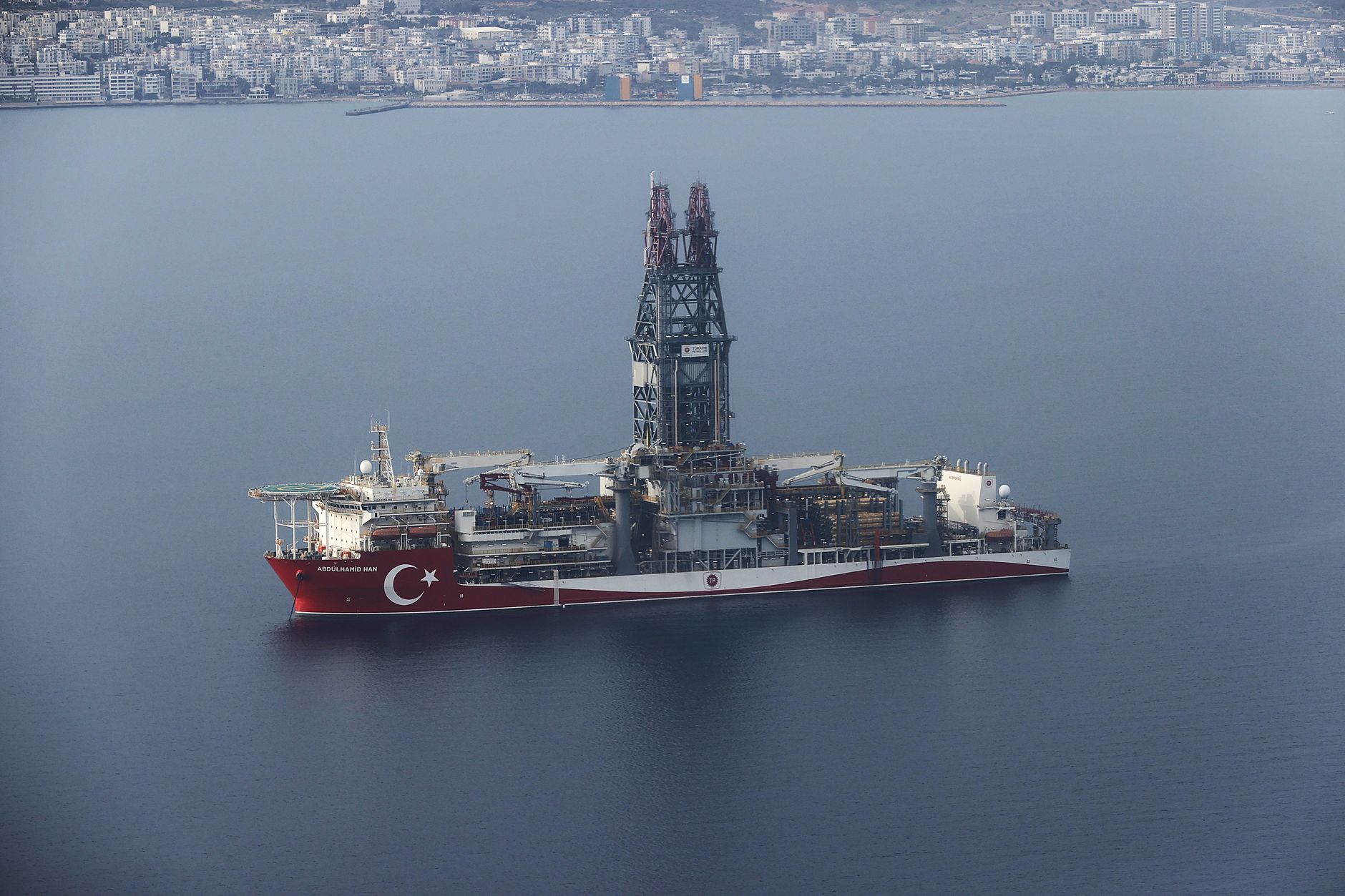
Turkey oil discoveries are making headlines as the country hosts COP31. The announcement has sparked a debate on fossil fuel dependency and climate change.
What are Turkey’s recent oil discoveries?
Turkey has recently made significant oil discoveries that have sparked discussions about the future of fossil fuels in the country. These discoveries are critical as Turkey aims to increase its energy independence and reduce reliance on imports. The findings were announced during the lead-up to COP31, where global leaders are debating the transition away from fossil fuels.
Key details about Turkey’s recent oil discoveries include:
- Location: Major reserves have been identified in southeastern Turkey, particularly in the regions of Batman and Siirt.
- Potential Output: Estimates suggest that these fields could significantly boost national production, potentially reaching thousands of barrels per day.
- Environmental Concerns: While these discoveries may enhance energy security, they raise questions about the environmental impact and the country’s commitment to climate goals.
As Turkey oil discoveries gain attention, the balance between economic growth and climate responsibility remains a critical discussion point.
Impact of Turkey’s oil discoveries on climate policy
The recent Turkey oil discoveries have sparked a significant debate regarding their impact on climate policy. As the nation prepares to host COP31, the timing raises questions about the commitment to reducing fossil fuel reliance while exploring new oil reserves.
Environmentalists argue that these discoveries could undermine global efforts to combat climate change. They emphasize that investing in oil extraction contradicts the urgent need for a transition to renewable energy sources. Conversely, proponents argue that these resources could bolster Turkey’s economy and energy independence, especially during a time of rising energy prices worldwide.
As the world grapples with the fallout from climate change, the implications of Turkey’s oil discoveries extend beyond national borders. The decisions made in the coming years will not only shape Turkey’s energy future but also influence international climate agreements and the global push towards sustainability.
Turkey oil discoveries: Economic implications
The recent Turkey oil discoveries have sparked significant debate regarding their economic implications. As the country positions itself as a key player in the global energy market, these discoveries could lead to increased investment and job creation in the region.
Supporters argue that tapping into these oil reserves could provide Turkey with much-needed revenue to bolster its economy, especially during a time of rising energy prices. They emphasize the potential for energy independence and the opportunity to reduce reliance on foreign oil imports.
However, critics warn that prioritizing fossil fuels may undermine Turkey’s commitments to climate change initiatives. The tension between economic growth and environmental responsibility raises important questions for policymakers. As the nation prepares to host COP31, the decision to pursue these oil discoveries could have lasting effects on both the economy and climate policy, prompting a reevaluation of priorities on the global stage.
Global reaction to Turkey’s fossil fuel announcements
The recent announcements of Turkey’s oil discoveries have sparked a wave of global reactions, especially as the world grapples with the urgent need to transition to sustainable energy sources. Environmentalists express deep concern that these developments could undermine ongoing climate efforts, particularly during a year when Turkey is set to host COP31.
Many fear that the push for fossil fuels, including the new Turkey oil discoveries, may lead to increased greenhouse gas emissions, counteracting progress made in reducing reliance on fossil fuels.
International leaders and activists are calling for a more robust commitment to renewable energy, urging Turkey to reconsider its approach. The juxtaposition of fossil fuel expansion against climate goals illustrates a growing tension in global energy policy.
As debates continue, the potential economic benefits of oil exploration must be weighed against the long-term environmental costs and the urgent need for climate action.
The future of fossil fuels in a changing world
The ongoing debate surrounding Turkey oil discoveries raises critical questions about the future of fossil fuels in a changing world. As nations strive to meet climate goals, the reliance on oil and gas resources poses a significant dilemma. The discoveries in Turkey may offer short-term economic benefits, but they also threaten long-term environmental sustainability.
Experts warn that increased fossil fuel extraction could hinder global progress toward a carbon-neutral future. The potential for new oil projects in Turkey conflicts with international climate agreements and efforts to reduce greenhouse gas emissions.
Moreover, the public’s response is mixed. Many advocate for a transition to renewable energy sources, emphasizing the need for sustainable practices.
In conclusion, while Turkey oil discoveries may promise economic growth, they come at a time when the world must weigh the risks against the urgent need for climate action and energy transformation.
Photo by Faruk Yıldız on Pexels