
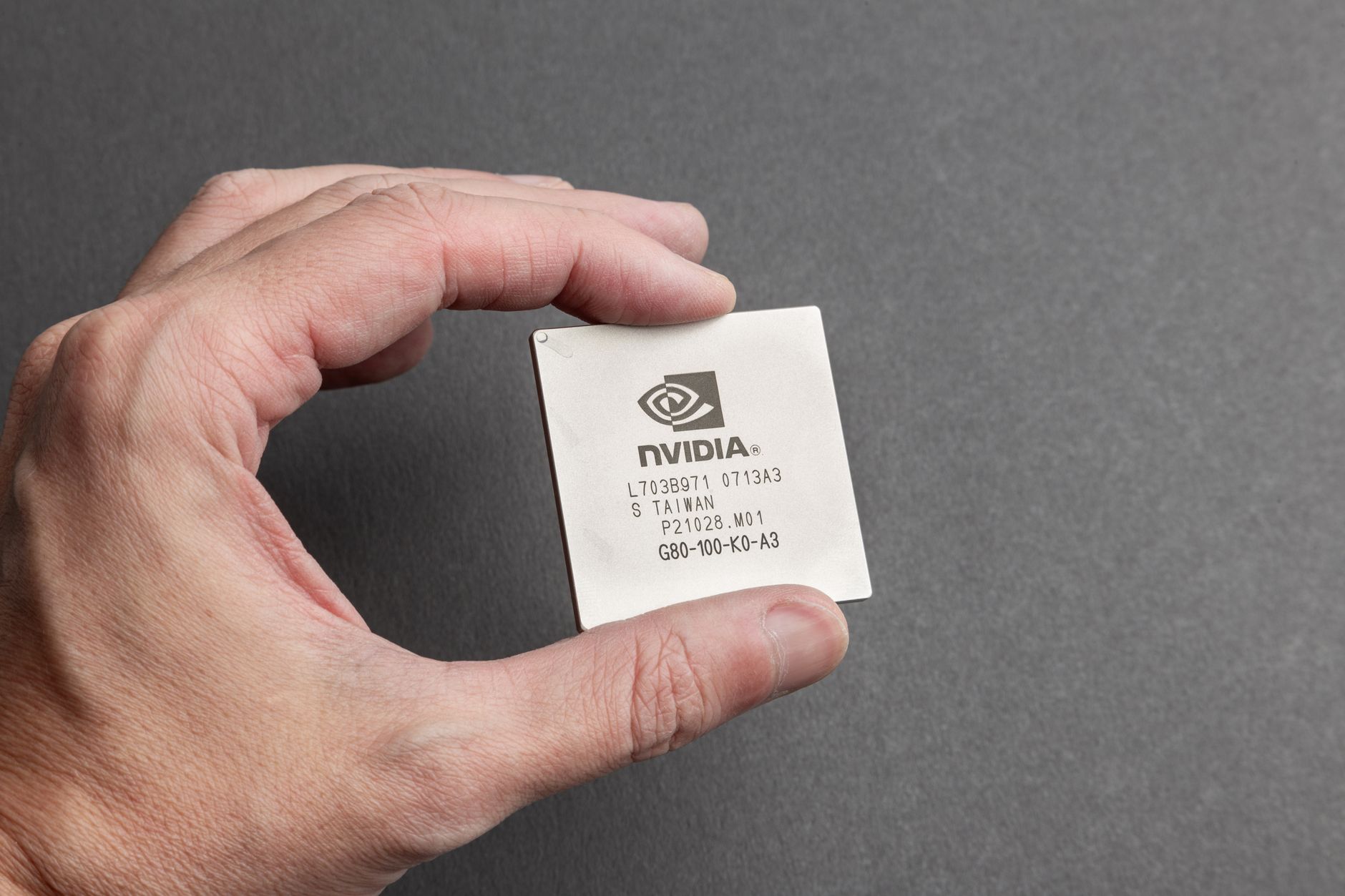
Nvidia chip sales to China are once again in the spotlight as Lutnick has stalled efforts to curb them following a tense Oval Office showdown.
Overview of Nvidia’s Chip Sales
Nvidia’s chip sales to China have become a contentious issue amid escalating geopolitical tensions. The company, a leader in graphics processing units (GPUs), has faced scrutiny regarding its export practices, particularly in light of national security concerns. Recent developments suggest that the Biden administration is intensifying its efforts to regulate these sales.
The Oval Office showdown highlighted the administration’s commitment to addressing potential risks associated with advanced technology reaching adversarial nations. Key players within the government are advocating for stricter controls on Nvidia chip sales to China, emphasizing the importance of safeguarding sensitive technology.
Despite these pressures, Nvidia’s leadership has expressed concerns about the economic implications of limiting their market access. The company argues that its products are crucial for various sectors, including artificial intelligence and data centers, making them instrumental in global technological advancement.
As discussions continue, industry analysts are closely watching the situation, noting that any restrictive measures could significantly impact Nvidia’s revenue. The balance between national security and economic growth remains a delicate one, as stakeholders navigate the complexities of international trade.
- Regulatory Pressure: Increased scrutiny on technology exports.
- Economic Impact: Concerns over revenue loss from restricted sales.
- Technological Advancement: Importance of chips in AI and data sectors.
Impact of U.S.-China Relations on Tech
The ongoing tensions between the United States and China have significantly influenced the landscape of technology sales, particularly concerning Nvidia chip sales to China. As both nations navigate a complex web of trade relations, the ripple effects are felt across various sectors, including semiconductor manufacturing and artificial intelligence.
U.S. policymakers have increasingly scrutinized tech exports to China, citing national security concerns. This heightened vigilance has led to a series of restrictions aimed at limiting access to advanced technologies. In this context, Nvidia has faced challenges in solidifying its market position within China, a critical hub for semiconductor consumption.
Moreover, the implications of these policies extend beyond immediate sales figures. They also affect investor confidence and the strategic planning of companies heavily reliant on the Chinese market. Industry analysts suggest that continued restrictions could stifle innovation and limit growth opportunities for firms like Nvidia.
As the U.S. government reassesses its approach to tech exports, the potential for an evolving standoff looms large. Experts warn that if relations do not improve, the fallout from reduced Nvidia chip sales to China could have lasting repercussions on the global tech ecosystem.
In conclusion, the interplay of U.S.-China relations illustrates a precarious balance, where technology and geopolitics intersect in increasingly complex ways.
Lutnick’s Previous Attempts to Curb Sales
In recent months, various attempts have been made to restrict Nvidia chip sales to China, particularly under the oversight of high-ranking officials like Cantor Fitzgerald CEO Howard Lutnick. Lutnick has been at the forefront of discussions surrounding the sensitive nature of these transactions, especially considering the geopolitical implications involved.
Previous efforts to curb these sales have encountered significant challenges, often stalling in the face of opposition from industry stakeholders and a lack of consensus within the administration. Lutnick’s initiatives have been met with skepticism, as many believe that a blanket ban on chip exports could hinder technological advancements and economic growth in both the U.S. and China.
Key points highlighted in Lutnick’s past attempts include:
- Concerns over national security: Officials worry that advanced chips could be utilized for military purposes.
- Economic repercussions: Limiting chip sales could adversely affect American companies relying on the Chinese market.
- Industry pushback: Technology firms argue that collaboration fosters innovation, making restrictions counterproductive.
As the fallout from the Oval Office showdown continues, the future of Nvidia chip sales to China remains uncertain, with ongoing discussions likely to shape the landscape of tech and trade relations moving forward.
Details of the Oval Office Showdown
The recent Oval Office showdown has intensified scrutiny on Nvidia chip sales to China, with significant implications for U.S. tech policy. During a high-stakes meeting, key administration officials expressed concerns over the potential national security risks posed by the continued export of advanced chips to Chinese firms. Sources revealed that the discussions were marked by tension, as differing viewpoints emerged regarding the economic benefits versus security threats.
Attendees included senior members of the National Security Council and representatives from the Commerce Department, who argued that limiting access to Nvidia’s technology is crucial in the ongoing battle for technological supremacy. However, Marc Lutnick, a prominent figure in the tech industry, advocated for a more lenient approach, stressing the importance of maintaining a competitive edge in the global market.
Key points from the discussions included:
- Concerns that restricting Nvidia chip sales to China could drive innovation elsewhere.
- The potential backlash from U.S. companies reliant on the Chinese market for growth.
- Debates on the effectiveness of past measures to curb high-tech exports.
The outcome of the Oval Office meeting remains uncertain, but it is clear that the Biden administration is grappling with the complexities of regulating technology exports while balancing economic interests.
Reactions from Industry Experts
Industry experts have expressed a range of opinions following the recent developments surrounding Nvidia chip sales to China. The Oval Office showdown has left many wondering about the future of the semiconductor market and the implications for U.S.-China relations.
- Dr. Emily Chen, a tech analyst, noted that “the standoff reflects a growing tension in global trade. Nvidia’s chip sales to China are crucial not only for the company’s growth but also for the technological advancements in various sectors.”
- Mark Thompson, an economist, emphasized that “the continued sales of these chips could lead to a significant competitive edge for China. The U.S. must reassess its strategy if it wishes to maintain its leadership in technology.”
- Sarah Lee, a policy advisor, pointed out that “the Oval Office confrontation has brought the issue to the forefront, but it also raises questions about the effectiveness of these measures. Could they inadvertently accelerate China’s chip development?”
- John Carter, a former government official, suggested that “decisions made in the coming weeks will be pivotal. Nvidia chip sales to China could either pave the way for collaboration or intensify the divide.”
As the situation evolves, industry stakeholders will be closely monitoring the implications of these sales on international relations and technology innovation.
Future of Nvidia in China Market
The future of Nvidia chip sales to China remains uncertain as tensions between the U.S. government and Chinese authorities escalate. Analysts predict a challenging landscape for the semiconductor giant, especially following the latest Oval Office showdown, which highlighted the Biden administration’s struggle to implement strict regulations.
Several factors contribute to this complex situation:
- Regulatory Environment: The U.S. government is looking to strengthen its position in the semiconductor sector, but the effectiveness of proposed measures is questionable.
- Market Demand: China’s demand for advanced chips continues to rise, driven by the country’s ambitions in AI and technology.
- Competitive Pressure: Other countries, particularly in Asia, are ramping up their semiconductor capabilities, potentially offering alternatives to Chinese companies.
In light of these developments, Nvidia’s management is faced with a critical decision-making process. They must navigate the intricate web of international relations while maintaining their market position. The implications of these choices could have lasting effects on their operations and profitability in the Chinese market.
As the situation evolves, stakeholders will be closely monitoring the impact of U.S. policies on Nvidia’s long-term strategy in China.
Potential Consequences for Global Trade
The ongoing tensions surrounding Nvidia chip sales to China could have far-reaching consequences for global trade, particularly in the technology sector. As the U.S. government wrestles with regulatory measures, companies may find themselves caught in a tightening web of compliance and restrictions.
Analysts suggest that if the standoff continues, we may witness a shift in the supply chain dynamics. Many tech firms that rely on Nvidia chips for their products may need to consider alternative suppliers or invest in developing their own technology. This could lead to increased costs and longer development timelines, impacting the overall innovation and competitiveness of the industry.
Moreover, the situation might intensify the push for decoupling between the U.S. and China, leading to a fragmented global market. Such fragmentation could result in regional alliances that prioritize local suppliers over international partnerships, further complicating trade relations.
In addition, the uncertainty around Nvidia chip sales to China could deter foreign investment in both countries. Investors often seek stability and predictability, and ongoing geopolitical tensions might lead to a reluctance to engage in cross-border ventures.
As these developments unfold, the focus will remain on how both nations navigate this challenging landscape and the implications for global trade and technology.
Conclusion on Nvidia’s Sales Strategy
In conclusion, Nvidia’s chip sales to China represent a critical juncture in the complex interplay between technology and geopolitics. As the company navigates the turbulent waters of U.S.-China relations, its strategy will be pivotal in determining its future in the Chinese market. The recent Oval Office showdown highlights the tensions surrounding tech exports, particularly when national security concerns are at stake.
The implications of these developments extend beyond Nvidia itself. Industry experts warn that continued restrictions on chip sales could have cascading effects throughout the global supply chain. Key points to consider include:
- Market Adaptation: Nvidia may need to diversify its customer base to mitigate risks associated with fluctuating sales in China.
- Innovation Pressure: The company faces pressure to innovate rapidly while complying with potential regulatory changes.
- Global Trade Dynamics: The ongoing standoff could reshape trade relationships and influence competitors eager to fill any void left by Nvidia.
Ultimately, the future of Nvidia’s chip sales to China will hinge not only on the company’s strategic decisions but also on the broader landscape of international relations. As the situation evolves, Nvidia’s role in the tech sector will remain under intense scrutiny.
The recent developments surrounding Nvidia chip sales to China have raised concerns about the future of technology trade between the two nations. Analysts predict that the standoff over Nvidia chip sales to China could have lasting implications for the global semiconductor market.
Photo by Stas Knop on Pexels