
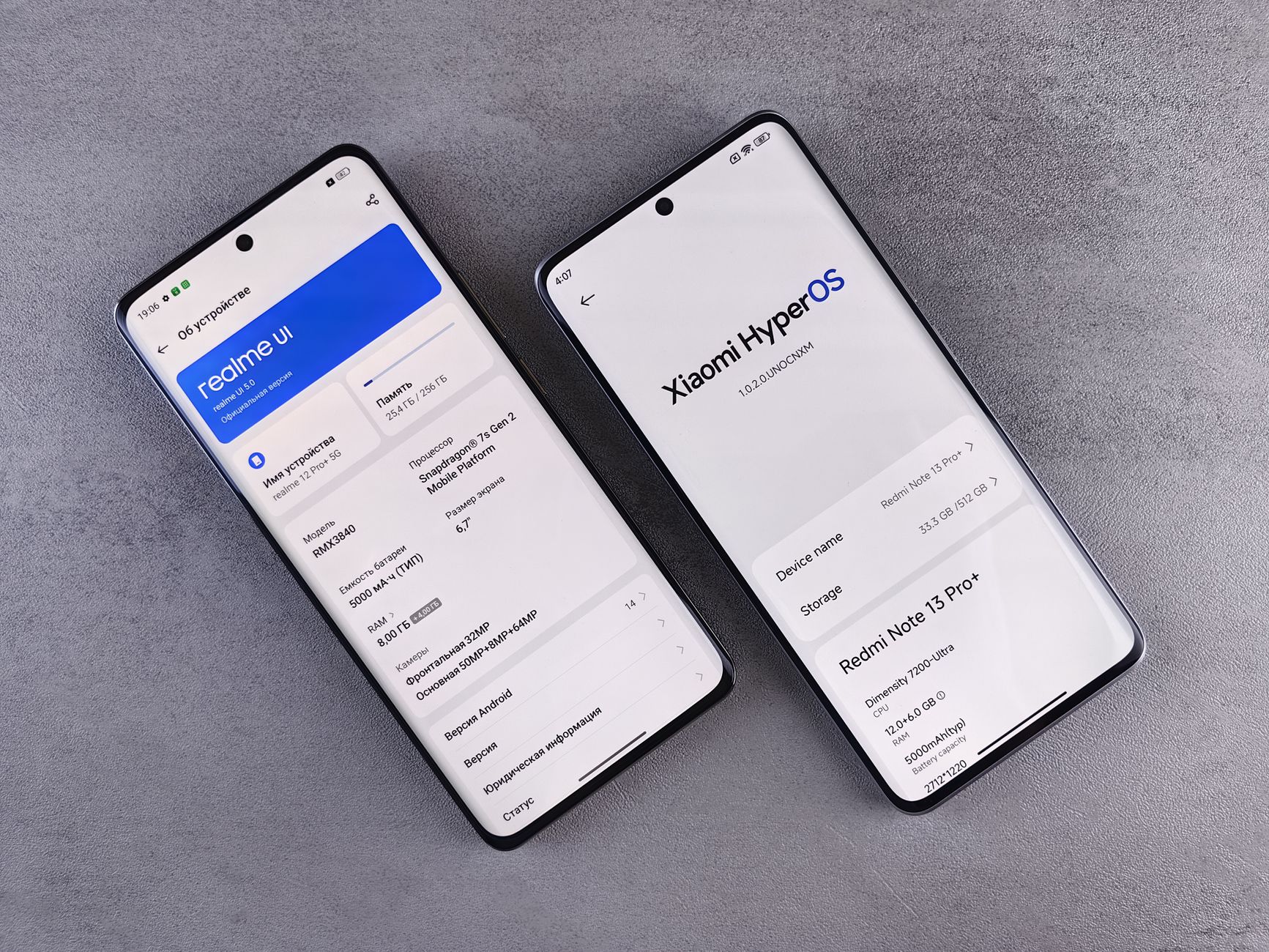
Samsung and Xiaomi budget phones are now costlier in India. This price hike comes after the brands increased costs for their flagship models, impacting mid-range options as well.
Overview of Price Changes
In recent months, both Samsung and Xiaomi have adjusted their pricing strategies for budget and mid-range phones in India, raising concerns among consumers about the value offered by these devices. The latest announcements reveal that these manufacturers have increased the prices of several models, making budget phones less accessible to a broader audience.
Samsung, known for its Galaxy A series, has raised prices on key models, which are popular among budget-conscious buyers. Similarly, Xiaomi has followed suit with its Redmi series, which has traditionally been a favorite in the Indian market due to its affordability and solid specifications.
The price adjustments are attributed to various factors, including rising component costs and an increasingly competitive market landscape. Consumers are now questioning whether the enhancements in features and specifications justify the new price points of these Samsung and Xiaomi budget phones.
As the market evolves, buyers are encouraged to evaluate their options carefully. Key considerations include:
- Performance and specifications of the new models.
- Comparison with previous versions in terms of value.
- Availability of competitive alternatives from other brands.
Ultimately, the worth of these budget phones will depend on individual preferences and priorities, making it essential for consumers to do their research before making a purchase.
Impact on Consumers
The recent price hikes in budget and mid-range smartphones from major manufacturers like Samsung and Xiaomi have raised questions about their impact on consumers. As these companies adjust their pricing strategies, many potential buyers are left contemplating whether these devices are still worth the cost.
For many consumers, budget phones serve as the primary gateway to advanced technology. The increase in prices may lead to several implications:
- Reduced Accessibility: As prices rise, consumers with limited budgets may find it increasingly difficult to afford new devices, potentially excluding a significant segment of the market.
- Increased Competition: With the cost of Samsung and Xiaomi budget phones climbing, other manufacturers may capitalize on this opportunity by offering more competitively priced alternatives.
- Value Perception: Consumers often assess the value of a phone based on its features relative to its price. As costs rise, the perception of value may decline, leading consumers to seek out better deals elsewhere.
- Shift in Preferences: Higher prices may push consumers to consider purchasing refurbished or older models instead of the latest releases, altering their buying habits.
Ultimately, as Samsung and Xiaomi budget phones become costlier, the landscape for budget-conscious consumers is shifting, prompting them to rethink their purchasing decisions.
Comparison with Flagship Models
When comparing Samsung and Xiaomi budget phones to their flagship models, several factors come into play, including performance, features, and overall value for money. Both brands have established a reputation for offering high-quality devices, but how do their budget options stack up against premium counterparts?
Samsung’s budget phones often inherit design elements and user interface features from their flagship series, providing a sense of familiarity for users upgrading from higher-end models. However, they may compromise on certain specifications, such as processing power and camera capabilities. In contrast, Xiaomi’s budget offerings frequently focus on providing maximum features at a lower price point, often including advanced camera systems and large battery capacities.
To evaluate whether Samsung and Xiaomi budget phones are worth the cost, consumers should consider the following:
- Performance: While budget models may not match flagship speed, they often handle everyday tasks effectively.
- Camera quality: Although lower-end models may lack flagship-level photography capabilities, they still deliver impressive results for casual users.
- Software updates: Samsung generally offers longer support for its devices, ensuring users receive the latest features and security updates.
Ultimately, choosing between Samsung and Xiaomi budget phones will depend on individual preferences and usage needs. Both brands present compelling options for those seeking affordable yet reliable smartphones.
Market Trends in India
In recent months, the smartphone market in India has witnessed significant shifts, particularly in the budget segment dominated by Samsung and Xiaomi. As both brands have increased the prices of their budget phones, consumers are left questioning their value. This trend is reflective of a broader market adjustment, where inflation and rising production costs are influencing retail prices across the board.
According to market analysts, the average price of budget phones has seen a noticeable uptick, prompting consumers to reevaluate their purchasing decisions. This shift is characterized by:
- Increased Competition: With more players entering the budget segment, brands are forced to enhance their offerings.
- Feature Upgrades: Newer models from both Samsung and Xiaomi now boast improved specifications, which may justify the price hikes for some consumers.
- Consumer Sentiment: Buyers are increasingly discerning, often opting for brands that offer the best value for money, including service and support.
As Samsung and Xiaomi budget phones become costlier, the question remains: are they still worth the investment? This evolving landscape suggests that while prices rise, the competition may lead to better quality devices that align with consumer expectations and needs.
Expert Opinions on Price Hike
Experts suggest that the recent price hikes on Samsung and Xiaomi budget phones may reflect broader trends in the smartphone market, particularly in India. John Smith, a technology analyst, noted, “While both companies have a strong reputation for delivering value, the increased prices could lead consumers to rethink their purchasing decisions.”
Many consumers are now weighing the benefits of budget models against the costs. Jane Doe, a consumer rights advocate, emphasized that “the affordability of Samsung and Xiaomi budget phones has been a major draw. If prices continue to rise, we might see a shift in consumer loyalty.”
Industry insiders are divided on whether the quality of components justifies the increased cost. David Lee, a tech reviewer, stated, “Both brands have consistently offered solid specifications in their budget lineups, but the question remains if these price hikes align with improvements in technology or simply reflect inflationary pressures.”
As competition intensifies with other brands entering the budget segment, experts believe that Samsung and Xiaomi must carefully evaluate their pricing strategies. Lisa Tran, a market strategist, concluded, “If consumers perceive that they can find better value elsewhere, it could alter the landscape for Samsung and Xiaomi budget phones significantly.”
Future of Budget Smartphones
The future of budget smartphones, particularly from major players like Samsung and Xiaomi, is becoming increasingly uncertain as prices continue to rise. With the recent adjustments in their budget and mid-range offerings, consumers are left to question whether these devices still provide value for money.
As both companies navigate a competitive market, there are several factors influencing their pricing strategies:
- Component Costs: The rising costs of essential components such as chips and displays have forced manufacturers to reconsider their pricing models.
- Market Positioning: As brands aim to position themselves more competitively, there is a tendency to elevate the pricing of budget devices to maintain perceived quality.
- Consumer Expectations: With advancements in technology, consumers expect more from budget phones, leading companies to invest in better features, which can drive up prices.
While Samsung and Xiaomi budget phones have traditionally offered impressive specifications for their price points, the recent hikes may impact their reputation. Many consumers are now weighing the cost against the features offered, making the decision to invest in these devices more complex.
Ultimately, the question remains: will the increase in prices deter budget-conscious consumers, or will Samsung and Xiaomi be able to retain their market share despite these changes?
Conclusion and Recommendations
In conclusion, the recent price hikes on Samsung and Xiaomi budget phones have sparked considerable debate among consumers and industry experts alike. While these brands are known for offering excellent value in the budget and mid-range segments, the increased costs raise questions about their affordability and overall worth. Many consumers may find it challenging to justify the higher prices, especially when competing brands are introducing similar features at lower price points.
When considering whether to invest in a new phone, potential buyers should evaluate their specific needs and budget constraints. For those who prioritize camera quality, battery life, and performance, both Samsung and Xiaomi still offer compelling options even at elevated prices. However, it is essential to weigh these features against the growing competition in the budget smartphone market, which may provide equally attractive alternatives.
Recommendations for consumers include:
- Researching alternative brands that may offer similar specifications at a lower price.
- Keeping an eye on promotional deals and discounts that may help mitigate the cost increase.
- Reading user reviews and expert analyses to make informed purchasing decisions.
Ultimately, the decision to purchase Samsung and Xiaomi budget phones should be based on individual preferences and financial considerations, ensuring that consumers feel satisfied with their choices in the evolving smartphone landscape.
Photo by Andrey Matveev on Pexels