
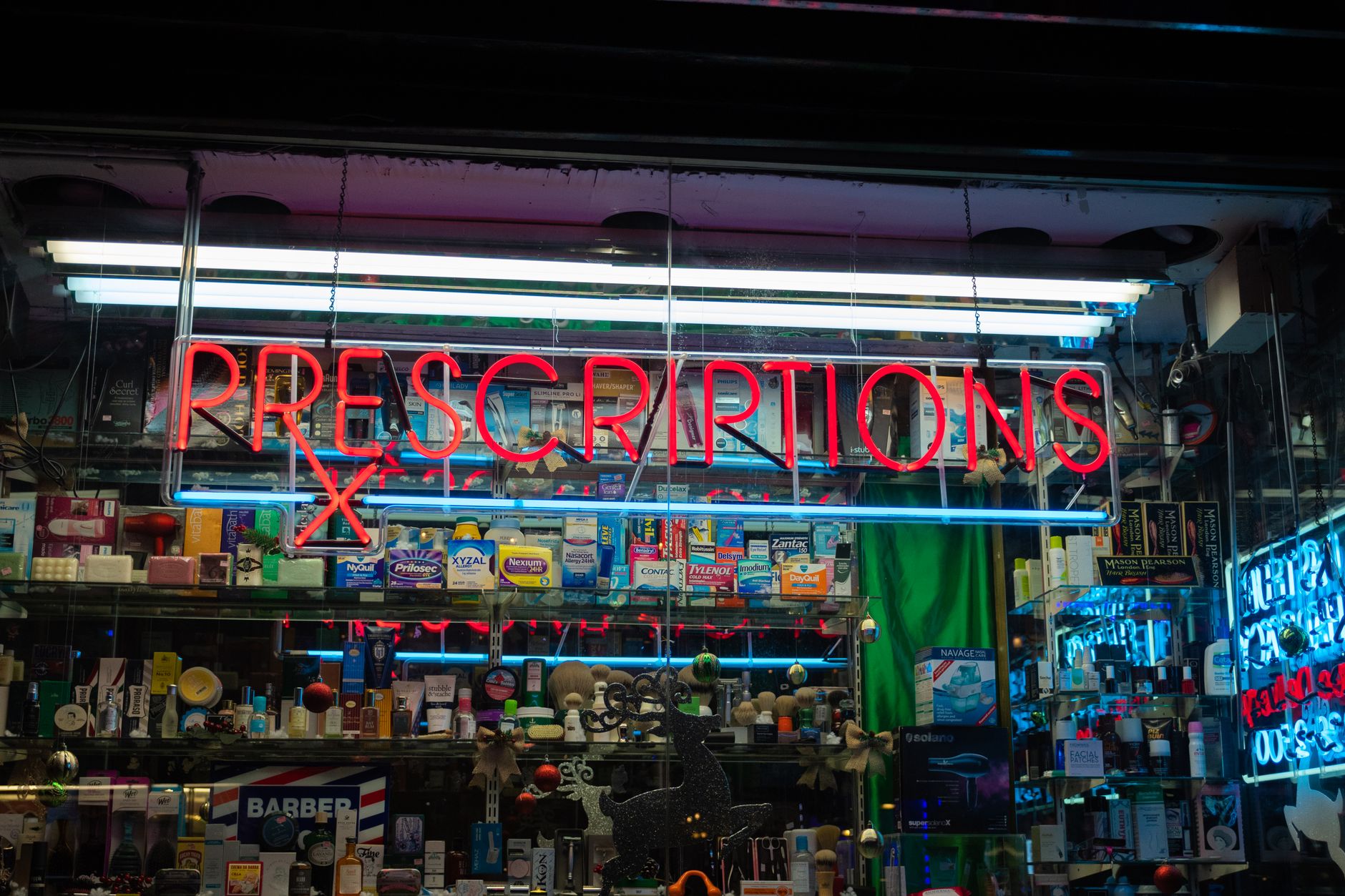
mandatory CCTVs at medical stores are being proposed in India to regulate prescription drug sales effectively. This initiative aims to ensure better compliance and safety in the pharmaceutical sector.
Overview of the Proposal
The Indian government has put forth a proposal aimed at enhancing the safety and regulation of prescription drug sales through the implementation of mandatory CCTVs at medical stores. This initiative is designed to tackle the growing concerns related to unauthorized sales and misuse of prescription medications. By ensuring that medical stores are equipped with surveillance cameras, authorities hope to create a system of accountability that deters illegal activities.
One of the key objectives of this proposal is to improve compliance with prescription norms. With CCTVs installed, it will be easier to monitor transactions and ensure that medications are dispensed only upon valid prescriptions. This move is expected to aid in curbing the rising instances of over-the-counter sales of prescription drugs, which can lead to serious health risks for consumers.
Additionally, the mandatory CCTVs at medical stores will serve as a vital tool for law enforcement agencies. In cases of disputes or allegations of malpractice, recorded footage can provide crucial evidence that aids in investigations. Furthermore, this surveillance measure aligns with broader public health goals by promoting responsible medication practices.
As discussions continue, stakeholders in the healthcare sector are weighing the potential benefits and challenges of this proposal, anticipating its impact on both patients and medical practitioners.
Impact on Prescription Drug Sales
The introduction of mandatory CCTVs at medical stores is anticipated to have a significant impact on prescription drug sales across the country. By implementing surveillance systems, authorities aim to enhance the regulation of prescription medications, ensuring they are dispensed appropriately and safely.
One of the primary benefits of this initiative is the potential reduction in prescription fraud. With CCTVs in place, pharmacists will be able to verify prescriptions more effectively, minimizing the chances of unauthorized or fake prescriptions being filled. This increased scrutiny can lead to a decline in the misuse of controlled substances, which has been a growing concern.
Additionally, the presence of mandatory CCTVs can promote accountability among medical store operators. Knowing that their practices are being monitored may encourage pharmacies to adhere strictly to legal and ethical guidelines when dispensing drugs. This move could ultimately foster a greater sense of trust between healthcare providers and patients.
However, some stakeholders worry that the costs associated with installing and maintaining these surveillance systems may burden small medical store owners. Balancing the need for safety with the financial implications will be crucial in the successful implementation of the mandatory CCTVs at medical stores.
In summary, while the proposal aims to enhance safety, its effects on prescription drug sales will require careful observation and assessment.
Public Reaction to CCTV Implementation
The proposal for mandatory CCTVs at medical stores has sparked a variety of reactions from the public. Many individuals have expressed support for the initiative, citing enhanced safety and improved regulation of prescription drug sales as key benefits. Health advocates believe that the implementation of CCTVs will deter illegal activities, such as the sale of counterfeit medications and unauthorized prescriptions.
One local resident, Rajesh Kumar, noted, “Having CCTVs in medical stores can help ensure that medications are dispensed properly and that illegal substances are not sold.” Such sentiments reflect a growing concern about the safety of pharmaceutical products and the need for greater accountability in the healthcare sector.
However, not everyone is convinced. Some medical store owners argue that the financial burden of installing and maintaining CCTVs could be overwhelming, especially for small businesses. Vikram Sharma, a medical store owner, stated, “While I understand the purpose, I worry about the costs involved and whether it will truly make a difference.”
As discussions continue, it is clear that the debate over mandatory CCTVs at medical stores will shape the future of prescription drug sales and consumer safety in the country.
Comparative Analysis with Other Countries
In a global context, the proposal for mandatory CCTVs at medical stores aligns with practices already established in several countries. For instance, in the United Kingdom, the implementation of surveillance systems in pharmacies has been instrumental in curbing prescription fraud and enhancing patient safety. Surveillance not only deters criminal activities but also ensures compliance with regulations regarding controlled substances.
Similarly, Australia has seen positive outcomes from its mandatory CCTV policies in pharmacies. The presence of cameras has proven effective in reducing theft and improving accountability among pharmacy staff. This proactive approach has garnered support from both health authorities and the public, emphasizing the role of technology in safeguarding health services.
In contrast, some countries have yet to adopt such measures. These nations often cite concerns over privacy and the cost of installation as primary reasons for their reluctance. However, as the global landscape shifts towards greater transparency and security in healthcare, the advantages of mandatory CCTVs at medical stores become increasingly evident.
Ultimately, the move towards mandatory CCTVs in India reflects a growing recognition of the need for enhanced safety measures in the pharmaceutical sector. By learning from international precedents, India can effectively implement this initiative to protect both consumers and the integrity of the healthcare system.
Challenges in Enforcement
Implementing mandatory CCTVs at medical stores poses several challenges that need to be addressed for successful enforcement. One of the primary concerns is the financial burden on small medical store owners. Many of these establishments operate on thin profit margins, and the cost of purchasing and maintaining CCTV systems may deter compliance.
Moreover, the technical know-how required to install and operate these surveillance systems can be a significant barrier. Store owners may not have the necessary expertise or resources to ensure that the CCTVs function correctly and adhere to regulatory standards. This lack of technical support could lead to inconsistent implementation across the country.
Another challenge relates to privacy concerns. Patients often seek confidentiality when discussing their health issues. The presence of cameras could create discomfort, leading to potential pushback from both customers and medical professionals.
Additionally, the enforcement of this policy will require adequate oversight and monitoring by regulatory authorities. Insufficient human resources can hinder the effectiveness of compliance checks, making it difficult to ensure that all medical stores are adhering to the new regulations.
Ultimately, addressing these challenges is crucial for the successful implementation of mandatory CCTVs at medical stores, ensuring both safety and trust within the community.
Potential Benefits for Consumers
The proposal for mandatory CCTVs at medical stores presents several potential benefits for consumers, enhancing both safety and accountability within the healthcare system. By implementing surveillance, the initiative aims to deter illegal practices such as the sale of counterfeit medications and the unauthorized distribution of prescription drugs.
One of the most significant advantages of this measure is the increased transparency it provides. Consumers can feel more secure knowing that their medical transactions are being monitored, which may lead to improved trust in pharmacies. This trust is crucial, particularly when it comes to sensitive health-related purchases.
Moreover, the presence of CCTVs could enhance the quality of service provided by medical stores. With constant monitoring, staff may be encouraged to adhere more closely to ethical standards, ensuring that customers receive the correct medications and proper guidance on their usage.
Additionally, in the event of disputes or errors in medication dispensing, CCTV footage can serve as valuable evidence to resolve issues efficiently. This capability not only protects consumers but also helps ensure that pharmacies are held accountable for their practices.
Overall, the introduction of mandatory CCTVs at medical stores is a proactive step towards safeguarding public health, promoting ethical practices, and fostering a stronger relationship between consumers and healthcare providers.
Government’s Role in Regulation
The government’s role in regulating the implementation of mandatory CCTVs at medical stores is crucial for ensuring compliance and safeguarding public health. By establishing clear guidelines, the authorities can enhance accountability among pharmacists and protect consumers from potential malpractice.
To achieve this, the government must draft a comprehensive framework that outlines the technical specifications for CCTV installation, data storage requirements, and privacy protocols. Such measures will ensure that the surveillance systems are effective while also respecting individual privacy rights.
Moreover, the government should conduct regular inspections to monitor adherence to these regulations. This will not only promote transparency but also deter any negligent behavior among medical store operators. Additionally, training programs may be needed to educate pharmacy staff on the importance of these regulations and the proper functioning of the surveillance systems.
Another important aspect is engaging with stakeholders, including healthcare professionals and consumer advocacy groups, to gather feedback and refine the approach to implementing mandatory CCTVs at medical stores. This collaborative effort can help address potential concerns and enhance the overall effectiveness of the regulation.
Ultimately, a well-structured governmental framework is essential for the successful integration of surveillance technology in pharmacy settings, ensuring that public safety remains a top priority.
Future of Medical Store Surveillance
The future of medical store surveillance is poised for a significant transformation with the implementation of mandatory CCTVs at medical stores across the country. This initiative aims to enhance the safety and security of both consumers and the pharmaceutical supply chain. As technology continues to advance, the integration of video surveillance systems is expected to become more efficient, allowing for real-time monitoring and better accountability.
With the enforcement of mandatory CCTVs, medical stores will likely experience a decline in fraudulent activities, including the unauthorized sale of prescription drugs. Additionally, this surveillance measure can deter theft and improve the overall integrity of the supply chain.
As the proposal gains traction, many stakeholders are exploring innovative surveillance technologies. These may include:
- AI-Driven Analytics: Utilizing artificial intelligence to identify suspicious behavior.
- Remote Monitoring: Allowing pharmacy owners to oversee operations from anywhere.
- Data Integration: Linking CCTV footage with inventory management systems for better tracking.
As the public becomes more accustomed to this form of surveillance, consumer trust in the safety of purchasing medications from medical stores is expected to grow, paving the way for a more secure pharmaceutical environment.
Photo by Alexandros Chatzidimos on Pexels
References
Related reading
Vande Mataram Song: … · Claude chat Cowork m … · Android e-reader: Bo …