
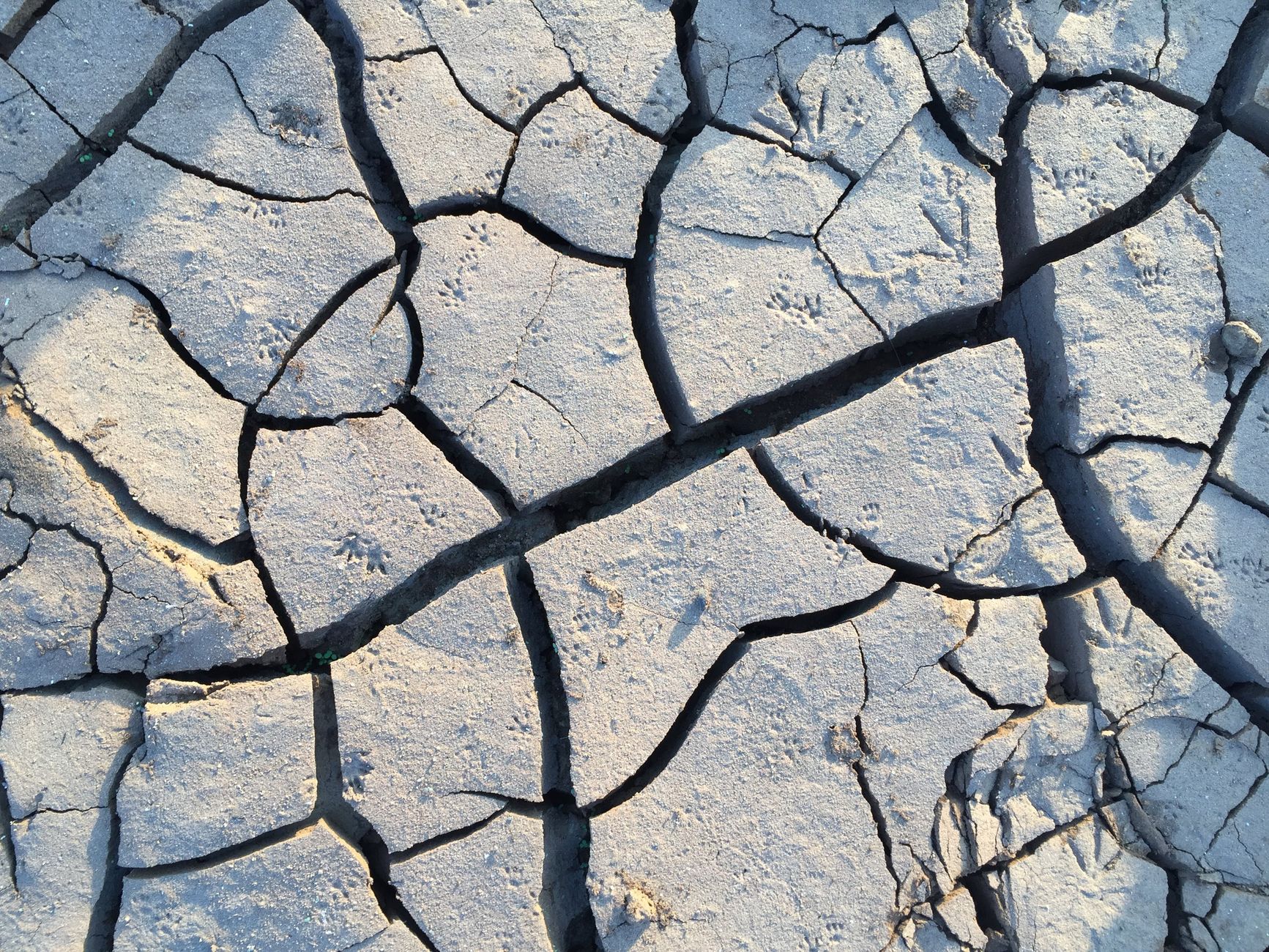
Maharashtra drought monitoring is now a priority as CM Devendra Fadnavis announces a new cabinet sub-committee to address the situation weekly.
Understanding the Drought Situation in Maharashtra
The drought situation in Maharashtra has reached a critical point, prompting the state’s government to take decisive action. In response to worsening conditions, a cabinet sub-committee has been formed to monitor the drought situation weekly, as stated by Chief Minister Devendra Fadnavis. This initiative aims to provide timely updates and ensure that necessary measures are executed efficiently.
Maharashtra has faced recurring droughts, affecting agriculture and water resources significantly. Farmers, who rely heavily on monsoon rains, are particularly vulnerable to these climatic challenges. The government is focusing on implementing effective strategies to mitigate the impact of drought on rural communities.
Key aspects of the monitoring strategy include:
- Regular assessment of water levels in reservoirs and rivers.
- Evaluation of crop conditions across various districts.
- Coordinating relief efforts and resources for affected farmers.
- Promoting awareness about water conservation practices.
By establishing a dedicated sub-committee for drought monitoring, Maharashtra aims to enhance its response to these environmental challenges and support its farmers during difficult times.
Role of the New Cabinet Sub-Committee
The newly formed Cabinet Sub-Committee in Maharashtra plays a crucial role in the ongoing drought monitoring efforts. This committee, established under the leadership of Chief Minister Devendra Fadnavis, is responsible for assessing the drought situation on a weekly basis.
The committee’s primary objectives include:
- Data Collection: Gathering and analyzing data related to water levels in reservoirs, rainfall patterns, and agricultural impacts.
- Coordination: Ensuring effective communication between various government departments to address the drought crisis efficiently.
- Policy Recommendations: Providing actionable insights and recommendations to the state government based on the latest monitoring reports.
- Public Awareness: Informing citizens about the drought situation and necessary measures to conserve water and support affected communities.
The formation of this Cabinet Sub-Committee is a significant step towards comprehensive drought monitoring in Maharashtra. By focusing on a systematic approach, the committee aims to mitigate the adverse effects of drought and implement effective strategies to support farmers and local communities facing these challenges.
Impact of Drought on Agriculture
The ongoing drought in Maharashtra has had a profound impact on agriculture, affecting both crop yields and the livelihoods of farmers across the state. With the situation worsening, the need for effective Maharashtra drought monitoring has become increasingly urgent.
Farmers are facing significant challenges, as the lack of rainfall has led to:
- Reduced Crop Production: Major crops like cotton, soybeans, and pulses are suffering, resulting in a decline in overall agricultural output.
- Increased Financial Burden: Many farmers are incurring debts to sustain their livelihoods, leading to a cycle of financial stress and vulnerability.
- Water Scarcity: Diminished water levels in reservoirs and wells have limited irrigation options, making it difficult for farmers to cultivate their fields.
- Food Security Concerns: The decline in agricultural productivity raises concerns about food availability, potentially impacting local and regional markets.
As the government intensifies its efforts in drought monitoring, it is crucial to implement strategies that support farmers and enhance resilience against future drought events, ensuring sustainable agricultural practices are adopted across Maharashtra.
Community Response to Drought Conditions
As Maharashtra faces severe drought conditions, community response has become crucial in addressing the challenges presented by this environmental crisis. Local organizations, farmers, and residents are collaborating to implement strategies for effective drought monitoring and management.
Community members are actively participating in the following initiatives:
- Water Conservation Efforts: Residents are engaging in rainwater harvesting and promoting the use of water-efficient irrigation techniques to maximize available resources.
- Awareness Campaigns: Educational programs are being held to inform the public about the importance of drought monitoring and the need to adapt agricultural practices to the changing climate.
- Support Networks: Farmers are forming cooperatives to share resources, tools, and knowledge, ensuring that everyone has access to necessary assistance in times of need.
- Collaboration with Authorities: Communities are working closely with the newly formed cabinet sub-committee to provide on-the-ground insights and help shape effective policies regarding Maharashtra drought monitoring.
Through these combined efforts, the resilience of local communities is being tested, but their determination to combat the effects of drought remains strong.
Future Strategies for Drought Management
As Maharashtra faces the ongoing challenge of drought, future strategies for drought management are crucial to ensure resilience and sustainability. The state’s approach must pivot towards comprehensive planning and community involvement to effectively address the impacts of water scarcity.
Key strategies that could be implemented include:
- Regular Monitoring: Establishing a robust system for Maharashtra drought monitoring will allow authorities to assess conditions in real-time, enabling rapid response to emerging issues.
- Water Conservation Initiatives: Promoting water-saving techniques among farmers and residents can significantly reduce wastage and enhance water availability.
- Crop Diversification: Encouraging farmers to grow less water-intensive crops can minimize reliance on rainfall and improve food security.
- Community Education Programs: Workshops and training sessions aimed at educating local populations about sustainable practices can empower communities to contribute actively to drought resilience.
- Infrastructure Development: Investing in rainwater harvesting and efficient irrigation systems will improve water management and reduce vulnerability to future droughts.
By adopting these strategies, Maharashtra can build a sustainable framework to combat the ongoing drought and prepare for future challenges.
Maharashtra drought monitoring plays a crucial role in ensuring timely interventions for affected regions. By implementing advanced technologies, the effectiveness of Maharashtra drought monitoring can be significantly enhanced.
Photo by Rohit Lokhande on Pexels