
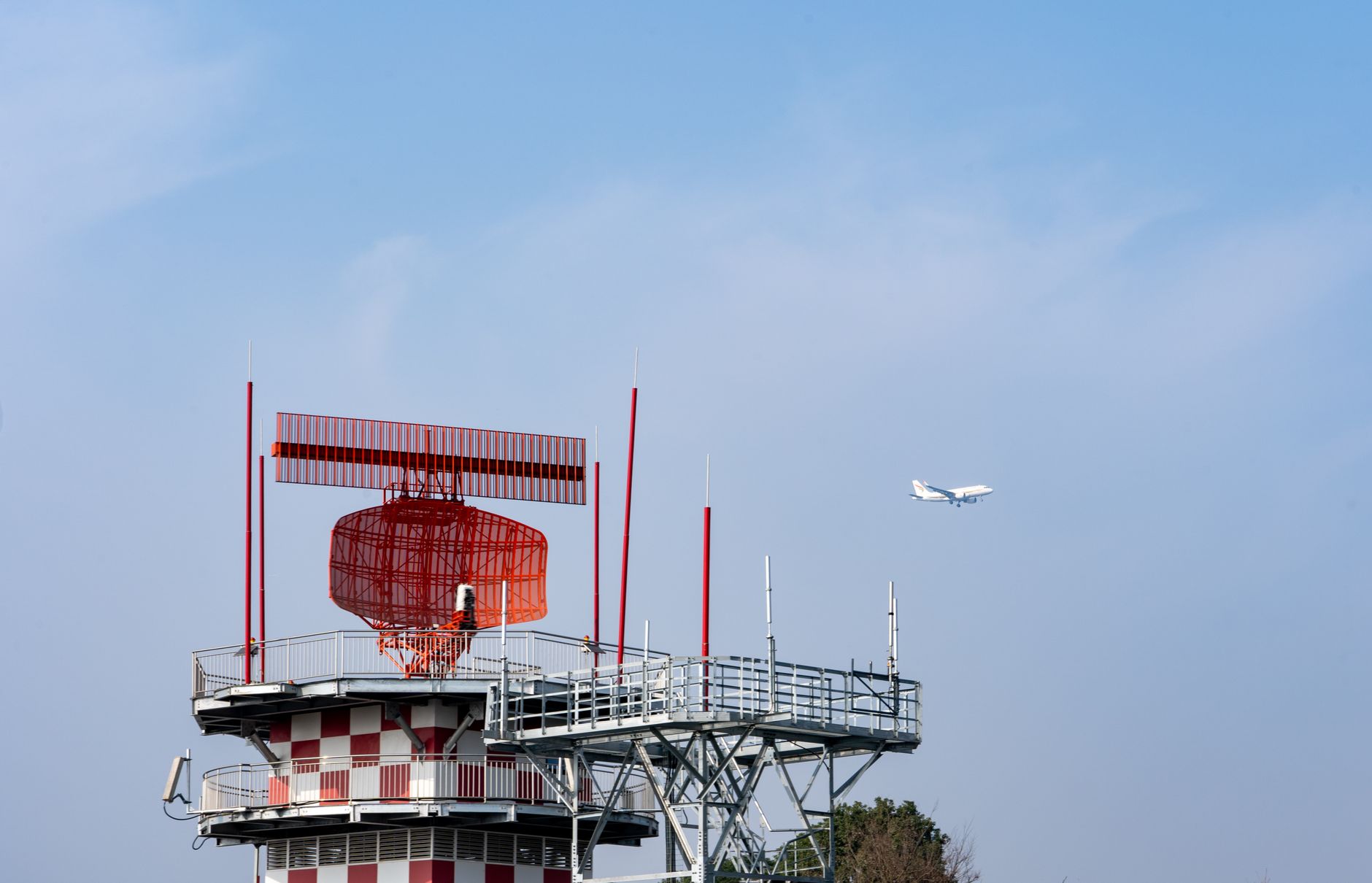
Air Traffic Control AI is becoming a game changer in the aviation sector, and Palantir is poised to be a major beneficiary. As the industry embraces artificial intelligence, investors are taking notice.
Overview of Air Traffic Control AI
Air Traffic Control AI represents a significant advancement in the aviation industry, leveraging artificial intelligence to enhance the efficiency and safety of air traffic management. By integrating AI technologies, air traffic controllers can analyze vast amounts of data in real-time, enabling them to make more informed decisions and reduce the likelihood of human error.
One of the primary benefits of Air Traffic Control AI is its ability to optimize flight paths. This technology can calculate the most efficient routes for aircraft, taking into account weather conditions, air traffic, and other factors. As a result, airlines can save fuel, reduce flight times, and lower operational costs.
Moreover, AI-driven systems can proactively manage air traffic congestion. By predicting peak traffic times and adjusting schedules accordingly, air traffic control can minimize delays and improve overall airport efficiency. This capability is particularly vital as air travel continues to grow worldwide.
Additionally, Air Traffic Control AI enhances safety by providing real-time alerts for potential collisions and other hazards. With advanced algorithms, these systems can detect anomalies faster than traditional methods, enabling timely interventions that protect both passengers and crew.
The integration of Air Traffic Control AI into existing systems not only streamlines operations but also positions companies like Palantir to capitalize on the growing demand for innovative solutions in air traffic management.
Palantir’s Position in the Market
Palantir Technologies has positioned itself as a key player in the burgeoning field of Air Traffic Control AI, capitalizing on the increasing demand for advanced technologies in the aviation sector. The company’s innovative data analytics solutions are designed to enhance operational efficiency and safety in air traffic management.
As global air traffic continues to rise, traditional systems are often unable to adapt swiftly to changing conditions. This has led to a growing interest in AI-driven solutions that can process vast amounts of data in real-time. Palantir’s offerings are particularly attractive to government and private sector clients looking to modernize their air traffic control systems.
The benefits of integrating AI into air traffic management are significant:
- Improved Safety: AI algorithms can predict potential conflicts and suggest optimal flight paths, reducing the risk of accidents.
- Increased Efficiency: Automated systems can help manage airspace more effectively, minimizing delays and optimizing fuel consumption.
- Cost Savings: By reducing manual oversight, airlines and air traffic control authorities can save on operational costs.
As Palantir continues to refine its products and expand its market presence, the company is poised to become a significant beneficiary of the shift towards AI in air traffic control, further solidifying its position in the technology landscape.
Benefits of AI in Air Traffic Control
The integration of Air Traffic Control AI into aviation systems presents numerous advantages that could significantly enhance operational efficiency and safety. As air traffic volume continues to rise, traditional methods of air traffic management face challenges that AI can effectively address.
One of the primary benefits of AI in air traffic control is its ability to process vast amounts of data in real-time. This capability allows for:
- Improved Decision-Making: AI algorithms can analyze flight patterns, weather conditions, and potential hazards, providing air traffic controllers with actionable insights.
- Enhanced Safety: By predicting potential collisions and recommending optimal flight paths, AI can reduce the risk of accidents.
- Increased Capacity: AI systems can facilitate better traffic flow, enabling airports to handle more flights without compromising safety.
- Cost Efficiency: Reducing delays and optimizing flight schedules can lead to significant financial savings for airlines and airports.
Moreover, the adaptation of AI technologies can lead to more sustainable practices within the aviation industry. With the capability to optimize flight paths, fuel consumption can be minimized, reducing the carbon footprint of air travel.
As organizations like Palantir harness the power of Air Traffic Control AI, they position themselves at the forefront of a transformative shift in the industry, reaping benefits that extend beyond immediate operational improvements.
Investor Reactions to Palantir
Investor reactions to Palantir’s advancements in Air Traffic Control AI have been notably positive, reflecting the growing optimism surrounding the integration of artificial intelligence in air traffic management. As Palantir positions itself as a frontrunner in this innovative sector, many analysts are projecting significant gains for the company.
According to recent market reports, investors are increasingly drawn to Palantir’s potential, highlighting several factors that contribute to their enthusiasm:
- Innovative Technology: Palantir’s cutting-edge solutions are designed to enhance safety and efficiency in air traffic control, which is crucial as air travel demand continues to rise.
- Strategic Partnerships: Collaborations with government agencies and aviation authorities have strengthened Palantir’s credibility and opened doors for future contracts.
- Market Demand: The urgent need for modernization in air traffic systems creates a ripe opportunity for companies like Palantir to capitalize on the shift toward AI-driven solutions.
- Strong Financial Performance: Recent earnings reports indicate that the company is on a robust growth trajectory, which reassures investors about the sustainability of their investments.
As market sentiment continues to favor AI technologies, Palantir’s role in the evolving landscape of air traffic control could potentially lead to substantial returns for stakeholders, further solidifying their place in the S&P 500.
Future of AI in Aviation
The future of AI in aviation, particularly in air traffic control, holds immense promise for enhancing safety, efficiency, and operational capabilities. As the demand for air travel continues to grow, the integration of Air Traffic Control AI systems is becoming increasingly vital to manage the complexities of modern airspace.
One of the most significant advancements is the potential for AI to process vast amounts of data in real time. This capability allows for:
- Improved Decision-Making: AI algorithms can analyze flight patterns, weather conditions, and air traffic in a matter of seconds, offering controllers the most relevant options available.
- Enhanced Safety: By predicting potential conflicts and providing early warnings, AI can dramatically reduce the likelihood of accidents.
- Operational Efficiency: AI systems can optimize flight routes and schedules, thereby decreasing delays and fuel consumption.
Furthermore, as organizations like Palantir continue to innovate in this space, the scalability of AI-driven solutions will become more achievable, allowing smaller airports and airlines to benefit from advanced technology. The collaboration between government entities and private firms is likely to foster an environment where AI can thrive, paving the way for a more interconnected and efficient air travel system.
In conclusion, the integration of Air Traffic Control AI not only represents a technological evolution but also signifies a fundamental shift in how aviation operates, setting the stage for a safer and more efficient future.
Conclusion on Palantir’s Growth Potential
In conclusion, the integration of Air Traffic Control AI presents significant growth potential for Palantir. As the aviation sector increasingly adopts advanced technologies to enhance safety and efficiency, Palantir stands poised to capitalize on this trend. The company’s robust data analytics capabilities position it as a leader in the AI space, particularly in air traffic management.
Investors are recognizing the advantages that Air Traffic Control AI brings not only to operational effectiveness but also to cost reductions. The transition to AI-driven systems can lead to:
- Improved Efficiency: AI can optimize flight paths, reducing delays and fuel consumption.
- Enhanced Safety: Predictive analytics can prevent accidents by monitoring air traffic patterns in real-time.
- Cost Savings: Airlines can save substantial amounts by minimizing operational disruptions.
Moreover, as regulatory bodies push for modernization in air traffic control, Palantir’s established presence and expertise make it a formidable player in this evolving landscape. The positive investor sentiment surrounding Palantir reflects confidence in its strategic direction and potential to lead in the AI-enhanced aviation market.
Overall, the synergy between Palantir’s innovative solutions and the growing demand for Air Traffic Control AI will likely result in not just increased market share, but also a substantial uplift in stock performance, making it an appealing option for investors looking for growth.
Photo by Peter Xie on Pexels
References
Barron’s · Air traffic control during the September 11 attacks
You might also like
Mizoram Pluck & … · Voice and SMS Tariff … · Odisha Andhra Prades …