International system conflicts are becoming increasingly evident, as Rubio emphasizes the inability to effectively address issues like the India-Pakistan situation.
Understanding the International System
The international system has faced significant criticism in recent years, particularly regarding its ability to effectively address ongoing conflicts. A prominent example is the longstanding tension between India and Pakistan, which has flared repeatedly despite various diplomatic efforts. As highlighted by Senator Marco Rubio, the current framework appears inadequate for managing such complex disputes.
The challenges of the international system are manifold and can be categorized as follows:
- Structural Limitations: The existing institutions, such as the United Nations, often struggle to enforce resolutions or mediate effectively, leading to a perception of ineffectiveness.
- Power Dynamics: The influence of powerful nations can overshadow the needs and voices of smaller countries, complicating diplomatic relations and negotiations.
- Regional Conflicts: Issues like those between India and Pakistan demonstrate how regional disputes can escalate, drawing in global powers and creating further complications.
- Lack of Cooperation: Nations often prioritize their own interests over collaborative solutions, hindering the potential for meaningful dialogue and reconciliation.
These factors contribute to what many experts describe as a broken international system, which is often unable to mitigate or resolve ongoing conflicts, thus posing a challenge to global peace and security.
Rubio’s Perspective on Global Conflicts
In a recent statement, Senator Marco Rubio emphasized the urgent need to reform the international system, which he describes as fundamentally broken. He argues that the current framework is incapable of effectively addressing ongoing international system conflicts, such as the longstanding tensions between India and Pakistan.
Rubio’s perspective highlights several key issues:
- Inadequate Responses: The senator pointed out that existing international mechanisms have failed to produce satisfactory resolutions for numerous conflicts.
- Geopolitical Rivalries: He noted that the growing rivalry between major powers complicates diplomatic efforts, making it difficult to broker peace.
- Regional Instability: Conflicts in regions like South Asia not only affect local populations but also have broader implications for global security.
Moreover, Rubio underscored that without substantial changes, the risk of escalation in conflicts remains high. He called for a reevaluation of diplomatic strategies, encouraging nations to prioritize collaboration over confrontation. The senator believes that proactive engagement and innovative policies could pave the way for a more effective approach to mitigating international system conflicts.
In conclusion, Rubio’s insights serve as a reminder of the complexities involved in global governance and the pressing need for a more resilient international framework capable of addressing the multifaceted nature of contemporary conflicts.
The Role of Diplomacy in Conflict Resolution
The role of diplomacy in conflict resolution is critical, especially in an era where international system conflicts have reached a concerning level of complexity. Diplomacy serves as a bridge between nations, facilitating communication and negotiation to prevent the escalation of disputes into armed conflicts.
One of the key functions of diplomacy is to provide a platform for dialogue, allowing countries to express their grievances and seek mutual understanding. Through diplomatic channels, leaders can engage in discussions that address underlying issues, fostering a sense of trust and cooperation. This can be particularly vital in high-stakes situations, such as territorial disputes or resource allocation.
Moreover, effective diplomacy can help to build coalitions and alliances that strengthen the negotiating position of involved parties. By bringing together multiple stakeholders, diplomats can work towards comprehensive solutions that address the needs and concerns of all parties. In some cases, third-party mediation can also play a significant role in easing tensions and facilitating compromises.
However, for diplomacy to be effective, it requires a commitment to constructive engagement and a willingness to compromise. As highlighted by Senator Rubio, the current international system is often perceived as broken, struggling to address long-standing conflicts like that of India and Pakistan. To overcome these challenges, a renewed focus on diplomatic efforts is essential for fostering stability and peace in the global landscape.
Key Issues in the India-Pakistan Conflict
The India-Pakistan conflict remains one of the most enduring and complex issues within the realm of international system conflicts. Since the partition of British India in 1947, tensions have escalated, leading to several wars and ongoing skirmishes over disputed territories, particularly Kashmir.
Several key issues contribute to the persistence of this conflict:
- Territorial Disputes: The most significant flashpoint is the Kashmir region, claimed by both nations. This area has seen numerous military confrontations and remains heavily militarized.
- Historical Grievances: Both India and Pakistan harbor deep-rooted historical narratives that fuel nationalistic sentiments, making compromise more challenging.
- Religious Differences: The conflict is often framed along religious lines, with Pakistan being a predominantly Muslim nation and India having a Hindu majority, complicating diplomatic efforts.
- Nuclear Arms Race: Both countries possess nuclear weapons, which adds a layer of risk. The potential for escalation in a conflict scenario raises fears of catastrophic consequences.
- Proxy Wars: The involvement of third parties, particularly with Pakistan’s support for militant groups, has complicated bilateral relations and hindered peace initiatives.
As the international system struggles to mediate these issues, the need for effective diplomacy and innovative conflict resolution strategies has never been more urgent.
Future of International Relations
The future of international relations remains uncertain as the complexities of the international system conflicts continue to evolve. As nations grapple with multifaceted issues, the need for a robust framework to address these conflicts has never been more pressing. Experts argue that a re-evaluation of existing diplomatic practices is essential to foster a more peaceful global environment.
One of the primary challenges facing the international community is the growing divergence in national interests. As countries prioritize their own agendas, the potential for cooperation diminishes, leading to heightened tensions. To confront these challenges, global leaders must engage in meaningful dialogue and seek common ground, rather than allowing differences to escalate into conflict.
Moreover, emerging threats such as cybersecurity and climate change necessitate a collaborative approach. These issues transcend borders and require nations to work in unison to devise sustainable solutions. By fostering multilateral partnerships, countries can better navigate the intricacies of the international system conflicts.
In addition, the role of international organizations must be reassessed. Strengthening institutions like the United Nations could enhance their capacity to mediate disputes and provide a platform for conflict resolution. Ultimately, the future of international relations hinges on the willingness of nations to embrace diplomacy and compromise in the face of an increasingly fragmented world.
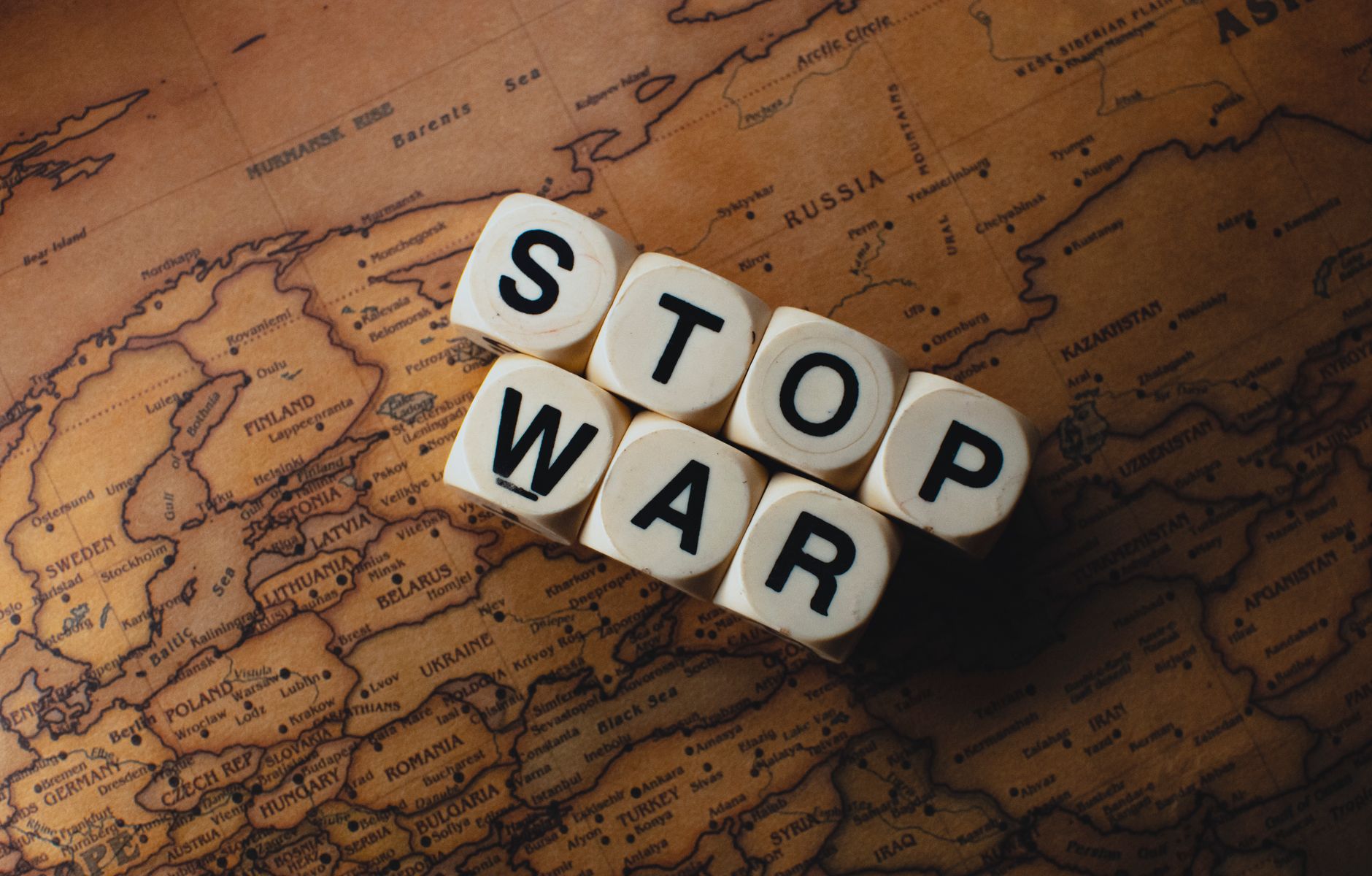
One of the most pressing challenges in addressing international system conflicts is the lack of effective communication between nations. This often exacerbates tensions and leads to prolonged disputes, highlighting the critical need for dialogue in resolving international system conflicts.
Photo by Nothing Ahead on Pexels