
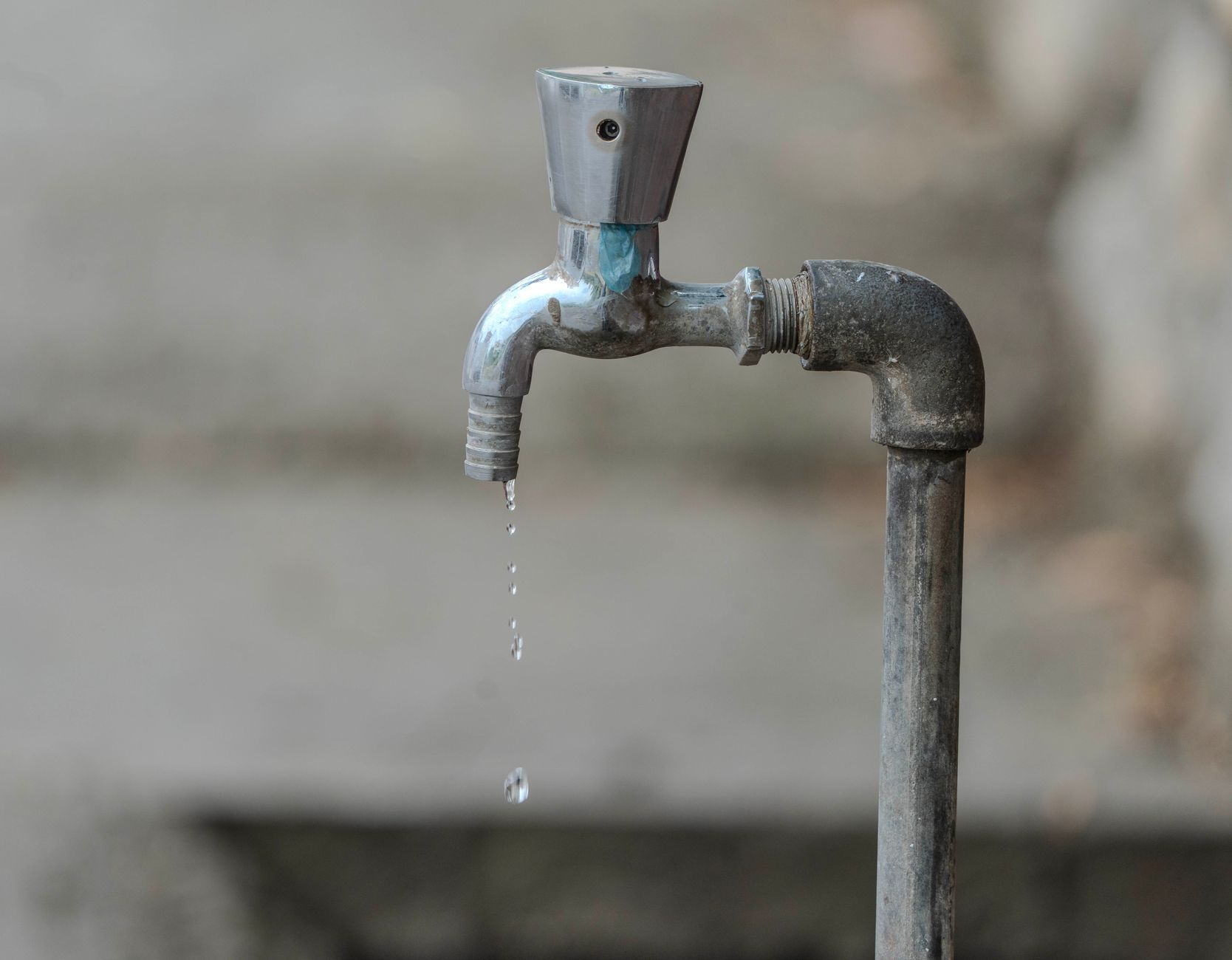
Water Shortage News highlights critical issues affecting communities today. With increasing demand and climate change, understanding the causes is essential for effective solutions.
Understanding the Water Shortage
The ongoing issue of water shortages has become increasingly pressing, with many regions around the world facing dire consequences. Understanding the water shortage is crucial for addressing this global crisis effectively.
Several proven causes contribute to the current state of water scarcity:
- Climate Change: The shift in climate patterns has resulted in extreme weather conditions, affecting precipitation levels and increasing evaporation rates.
- Population Growth: As the global population continues to rise, so does the demand for fresh water, leading to over-extraction of existing resources.
- Pollution: Contamination of water sources from industrial, agricultural, and domestic waste diminishes the amount of clean water available for consumption.
- Mismanagement: Inefficient water management practices, including wasteful irrigation techniques and inadequate infrastructure, exacerbate the shortage.
- Urbanization: Rapid urban development often leads to increased water demand while simultaneously compromising natural water catchment areas.
These factors collectively illustrate the complexity of the water shortage crisis and highlight the urgent need for sustainable solutions. Addressing these issues is vital to secure water resources for future generations.
Impact on Local Communities
The ongoing water shortage has significantly impacted local communities, leading to a myriad of challenges that affect daily life and long-term sustainability. As water becomes increasingly scarce, residents find it difficult to access this essential resource, resulting in a ripple effect across various sectors.
Communities are facing:
- Health Risks: Reduced access to clean water can lead to the spread of waterborne diseases, putting vulnerable populations at risk.
- Agricultural Strain: Farmers are experiencing crop failures due to insufficient irrigation, leading to food shortages and increased prices.
- Economic Decline: Water-intensive industries are struggling to operate, resulting in job losses and reduced local revenue.
- Social Tensions: Competition for limited water resources can lead to conflicts within communities, escalating tensions among residents.
Moreover, the impact of the water shortage is not equally distributed; marginalized communities often bear the brunt of these challenges. As highlighted in recent Water Shortage News, urgent action is needed to address these issues and find sustainable solutions for affected areas.
Dharashiv Tulja Bhavani Temple Response
The recent water shortage news has prompted a significant response from the Dharashiv Tulja Bhavani Temple, a prominent religious site in the region. In light of the ongoing crisis, temple authorities have taken proactive steps to address the water supply issues affecting both the temple and the surrounding community.
In a statement released by the temple management, they emphasized the importance of conserving water and encouraged devotees to participate in initiatives aimed at reducing wastage. The temple has implemented several measures, including:
- Rainwater Harvesting: Installing systems to collect and utilize rainwater during monsoon seasons.
- Awareness Campaigns: Organizing events to educate the public about the significance of water conservation.
- Collaboration with Local Authorities: Partnering with government bodies to improve water management and distribution.
The temple has also urged visitors to be mindful of their water usage while visiting the premises. As the water shortage news continues to unfold, the Dharashiv Tulja Bhavani Temple stands as a beacon of hope, encouraging the community to work together in overcoming these pressing challenges.
Future Solutions for Water Crisis
The ongoing water shortage crisis has prompted experts to explore innovative solutions to address this pressing issue. As communities grapple with dwindling water supplies, several strategies have emerged as potential remedies.
- Rainwater Harvesting: This technique involves collecting and storing rainwater for later use. By installing systems to capture runoff, communities can significantly increase their water availability.
- Desalination: Converting seawater into freshwater is gaining traction, particularly in coastal areas. Advances in technology are making this process more efficient and cost-effective.
- Water Recycling: Treating and reusing wastewater for irrigation or industrial purposes can help stretch existing water supplies. This method not only conserves water but also reduces pollution.
- Public Awareness Campaigns: Educating communities about water conservation practices plays a vital role in mitigating shortages. Encouraging responsible water use can lead to significant reductions in consumption.
- Investment in Infrastructure: Upgrading aging water systems and reducing leaks can improve overall efficiency and ensure that available water is used wisely.
As the water crisis continues to unfold, these proven solutions will be critical in combating the water shortage and ensuring sustainable access to this vital resource.
Recent Water Shortage News highlights the alarming impact of climate change on freshwater resources. Additionally, experts warn that population growth is a significant factor contributing to the ongoing Water Shortage News crisis.
Photo by Rajesh S Balouria on Pexels