
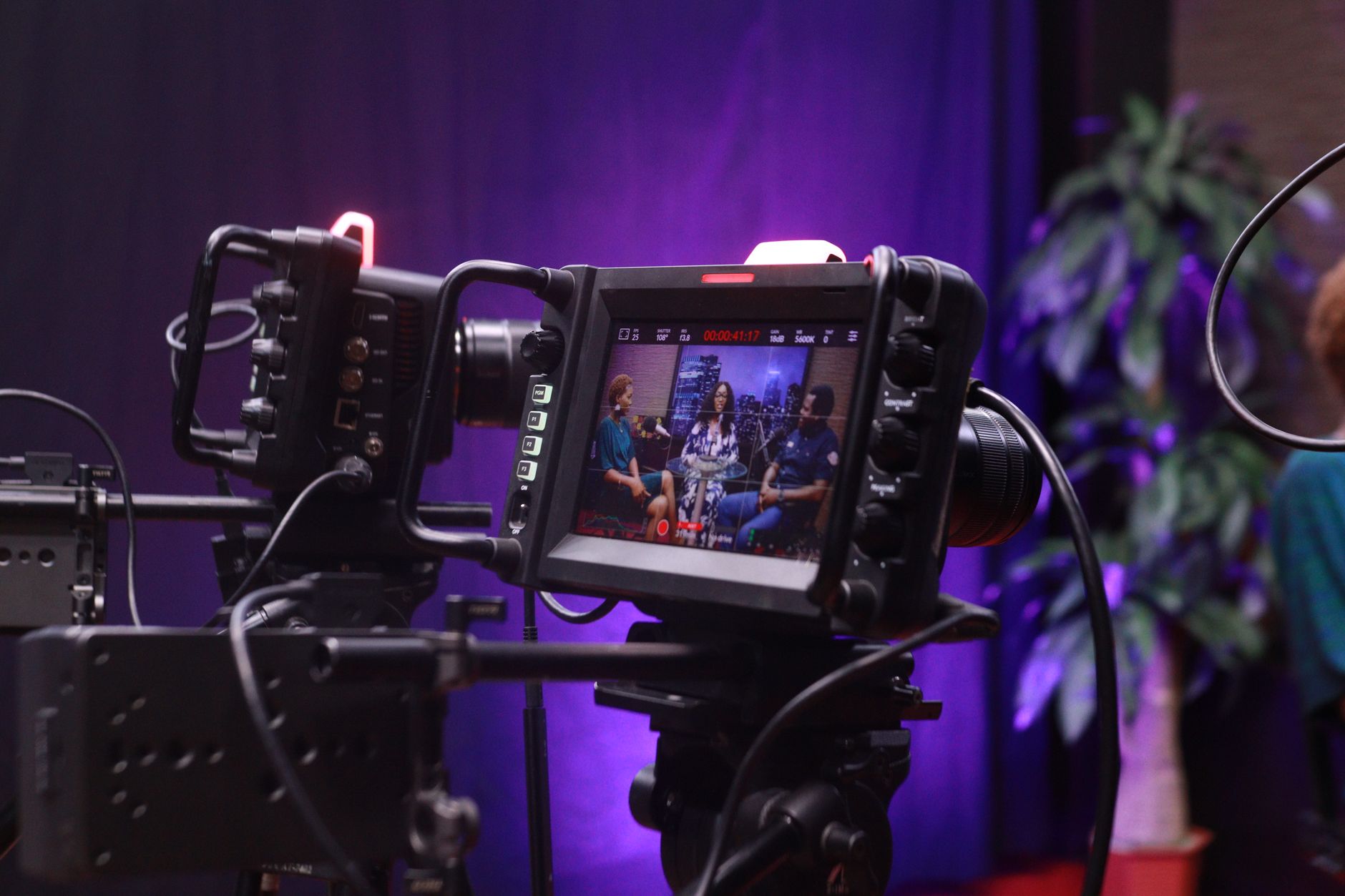
Netanyahu film interviewees have become a focal point in a recent directive for identification and prosecution. This controversial order raises questions about freedom of expression and the implications for those involved.
Background on the Netanyahu directive
The recent directive from Israeli Prime Minister Benjamin Netanyahu has sparked significant controversy regarding the identification and prosecution of interviewees featured in a film. This film, which critically examines Netanyahu’s policies and leadership, has drawn attention not only for its content but also for the implications of the Prime Minister’s orders.
In a statement released by his office, Netanyahu expressed concern that the film misrepresents his actions and decisions, claiming it promotes a narrative he considers damaging to national security. As a result, he has called for a thorough investigation to identify those who participated in the film, suggesting legal action against them.
This directive raises important questions about freedom of expression and the potential repercussions for those who speak out against government figures. Critics argue that such measures may discourage open dialogue and stifle dissent, while supporters claim it is necessary to protect the integrity of the state.
- Critics highlight the risks to free speech.
- Supporters argue for the need to maintain national security.
- The situation underscores the ongoing tensions in Israeli politics.
The Netanyahu film interviewees are now at the center of a heated debate, with many wondering how this will affect future political discourse in Israel.
Impact on freedom of expression
The recent directive from Israeli Prime Minister Benjamin Netanyahu to identify and prosecute interviewees featured in a documentary has raised significant concerns regarding freedom of expression. Critics argue that this move could have a chilling effect on filmmakers and journalists, stifling their ability to share diverse perspectives and narratives.
Many believe that the government’s actions are aimed at silencing dissent and controlling the public discourse surrounding controversial topics. The documentary in question reportedly addresses sensitive issues related to Netanyahu’s policies, prompting fears that the crackdown on interviewees is a direct attack on the freedom of the press.
Organizations advocating for civil liberties have voiced their opposition, emphasizing the importance of protecting those who contribute to films that portray differing viewpoints. They argue that the right to express oneself through art and media is fundamental in a democratic society.
Furthermore, the implications of this directive extend beyond the film industry, as it sets a concerning precedent for how the government interacts with citizens who speak out against it. The backlash from the public and international community may lead to a broader discussion about the balance between national security and individual rights in Israel.
Reactions from filmmakers
Filmmakers have expressed a mix of shock and concern in response to Netanyahu’s directive regarding the identification and prosecution of the film’s interviewees. Many view this move as an unprecedented attack on artistic freedom and a chilling effect on documentary filmmaking in Israel.
One prominent director stated, “This is not just about one film; it is about the broader implications for all artists and journalists. If we cannot speak freely, we lose our ability to tell the truth.”
Several filmmakers have come together to issue a public statement condemning the directive. They argue that the government’s actions undermine the essential principles of democracy and open dialogue. In their statement, they called on the international community to support freedom of expression in Israel.
Moreover, industry professionals are concerned about the potential repercussions for those who participated in the film. Many interviewees fear for their safety and are questioning whether their contributions to the film will lead to legal or social backlash.
As the situation unfolds, the voices of those involved in the documentary continue to resonate, highlighting the urgent need for dialogue around the intersection of politics and art.
Legal implications of prosecution
The recent directive from Israeli Prime Minister Benjamin Netanyahu to identify and prosecute interviewees from a controversial film has raised significant legal implications. Legal experts are concerned that such actions could infringe upon the rights of freedom of speech and expression.
Prosecution of individuals involved in the film, which critiques Netanyahu’s policies, raises questions about the legal protections afforded to filmmakers and their subjects. Critics argue that this move could deter individuals from participating in documentary projects, fearing legal repercussions for simply sharing their perspectives.
Furthermore, the directive may conflict with existing laws designed to protect journalistic integrity and the public’s right to receive information. The chilling effect on future documentary filmmaking is palpable, as potential interviewees might hesitate to express their views on sensitive topics.
As the situation develops, legal analysts are advocating for a thorough examination of the potential repercussions of Netanyahu’s actions. They emphasize the need to uphold democratic values and protect artistic expression, arguing that accountability should not come at the expense of stifling critical voices in society.
Overall, the legal implications surrounding the Netanyahu film interviewees could have lasting effects on the landscape of media and expression in Israel.
Public opinion on the film
The release of the controversial film featuring Netanyahu film interviewees has sparked a significant debate regarding public opinion. Many viewers have expressed strong feelings about the implications of the film and the government’s reaction to it. A recent poll indicates that
- 65% of respondents believe that the government’s actions against the interviewees are an infringement on free speech.
- 50% feel that the film offers a crucial perspective on current political issues.
- 30% of those surveyed say they have lost trust in public officials due to the backlash against the filmmakers.
Critics argue that targeting interviewees serves to silence dissenting voices, which could lead to a chilling effect on future journalistic endeavors. Supporters of Netanyahu, however, claim that the film misrepresents facts and undermines national security. Many citizens are left divided, unsure whether to support artistic expression or prioritize the government’s stance on sensitive topics.
As discussions continue, the implications of this film may shape the narrative surrounding freedom of expression in Israel for years to come.
Comparisons to past incidents
The recent directive from Prime Minister Netanyahu regarding the identification and prosecution of film interviewees has drawn parallels to past incidents that raised concerns over artistic freedom and governmental overreach.
Historically, similar actions have occurred in various countries, where filmmakers faced backlash for depicting controversial figures or events. These comparisons highlight the ongoing struggle between state authority and creative expression.
- Censorship in authoritarian regimes: Many observers point to instances in authoritarian regimes where filmmakers were persecuted for their work, leading to self-censorship and a chilling effect on artistic expression.
- Political backlash in democracies: Comparisons can also be drawn to democratic nations where political figures have attempted to suppress unfavorable narratives, emphasizing the delicate balance between freedom of expression and political power.
- Impact on public discourse: Such actions often stifle public discourse, creating a climate of fear among interviewees and filmmakers, ultimately affecting the diversity of stories told in the media.
As the situation unfolds, it remains to be seen how these comparisons to past incidents will shape the dialogue surrounding the Netanyahu film interviewees and the broader implications for artistic freedom in Israel.
Future of documentary filmmaking in Israel
The future of documentary filmmaking in Israel appears uncertain following the recent directive from Prime Minister Netanyahu concerning the identification and prosecution of interviewees involved in a controversial film. This move has raised significant concerns among filmmakers, who fear that such government actions could stifle creativity and lead to self-censorship.
Documentary filmmakers often rely on the ability to freely interview a diverse range of perspectives to tell compelling stories. However, the Netanyahu film interviewees situation highlights the potential risks associated with participating in politically sensitive projects. Many creators are now questioning whether they can safely engage with subjects that may provoke government scrutiny.
In a climate where artistic expression is increasingly challenged, the implications for future documentaries are profound. Filmmakers may feel pressured to avoid contentious topics, resulting in a homogenization of narratives that could undermine the richness of Israeli cinema.
As the landscape evolves, industry advocates are calling for greater protections for documentary filmmakers, emphasizing the importance of freedom of expression in a democratic society. The outcome of this situation could serve as a pivotal moment for the direction of documentary filmmaking in Israel.
The Netanyahu film interviewees provide a unique perspective on the political landscape in Israel. Their insights reveal the complexities surrounding the narrative presented in the film.
Photo by Isaiah Ekele on Pexels
References
Related reading
Regulatory Burdens o … · Siberian tiger eutha … · Adani Green shares: …