
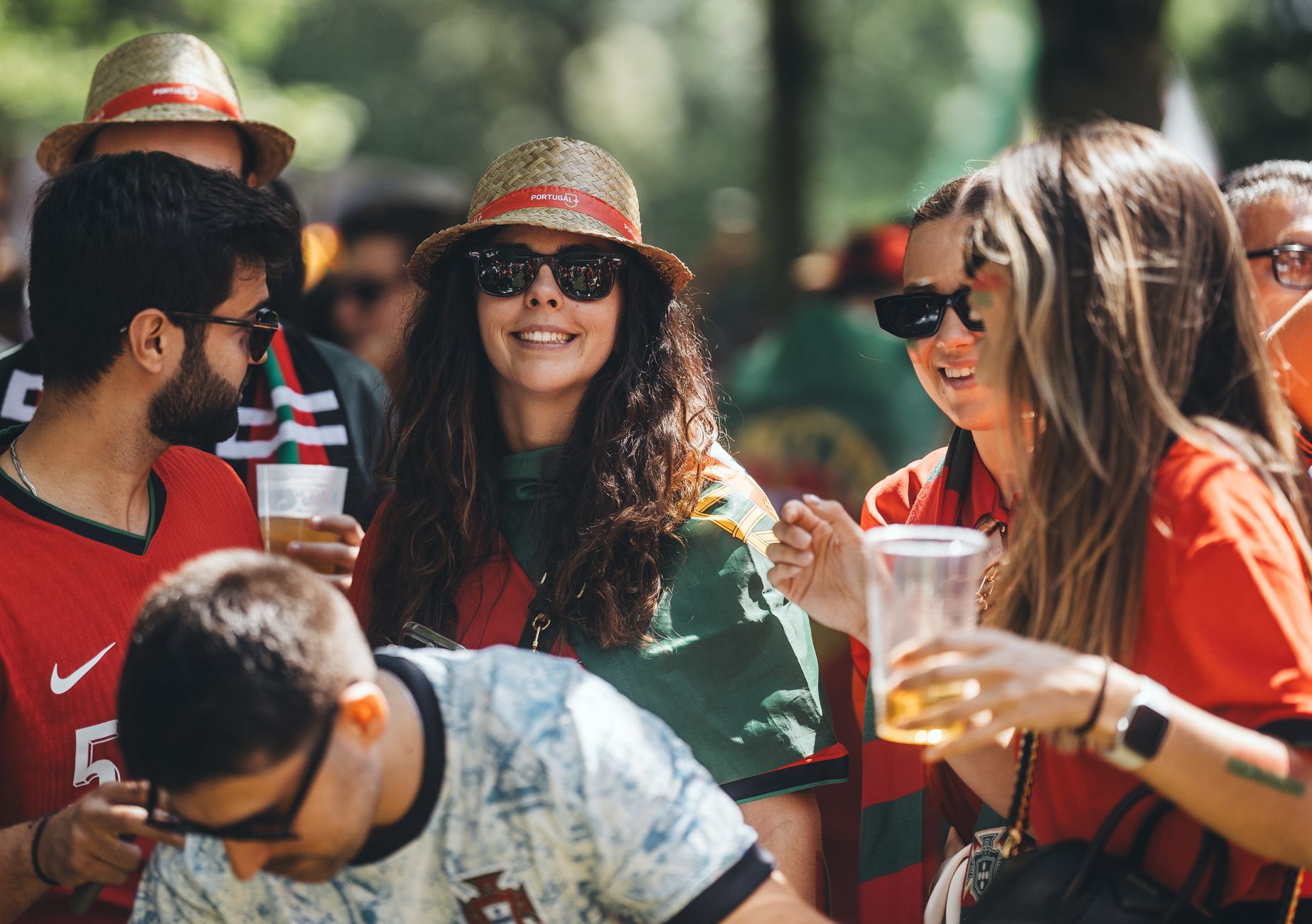
The ban on football fans drinking alcohol has been branded as discrimination by Burnham. This controversial decision has sparked debates about fairness and enjoyment at sporting events.
Background on the alcohol ban
The recent decision to impose a ban on football fans drinking alcohol in stadiums has sparked significant debate among sports enthusiasts and officials alike. This move comes as part of a broader strategy aimed at enhancing safety and order during matches, particularly in light of previous incidents involving unruly behavior fueled by alcohol consumption.
Critics of the ban argue that it unfairly targets responsible fans and diminishes the overall matchday experience. Burnham, a prominent figure in the discourse, has labeled the prohibition as ‘discrimination’ against loyal supporters who wish to enjoy a beverage while watching their favorite teams compete.
Supporters of the ban point to statistics that suggest a correlation between alcohol consumption and increased incidents of violence or disorder at football events. They believe that removing alcohol from the equation could lead to a more family-friendly environment and reduce the strain on law enforcement and emergency services during games.
As the discussion continues, a variety of viewpoints are emerging regarding the implications of this ban on football fans drinking. Some fans feel that the enjoyment of the sport is being compromised, while others welcome measures that prioritize safety. The ongoing debate raises essential questions about fan culture and the balance between enjoyment and responsibility in the realm of sports.
Reactions from football fans
Reactions from football fans regarding the ban on football fans drinking alcohol in stands have varied significantly, with many expressing strong opinions on the matter. Some supporters feel that the prohibition is an unfair restriction that diminishes the overall atmosphere of the game.
Many fans argue that consuming alcohol is a traditional part of the football experience, enhancing camaraderie and enjoyment during matches. A fan named Jake, attending games for over a decade, shared his thoughts:
- “Football is not just about the game; it’s about the community and the celebrations that come with it. Taking away the ability to have a drink feels like a punishment for everyone, not just those who misbehave.”
Conversely, some supporters agree with the ban, citing safety concerns and the need to maintain order in the stands. A fan known as Sarah stated:
- “While I enjoy a drink during the game, I understand that some fans can get rowdy. A ban on football fans drinking alcohol might actually help keep the peace and create a better environment for everyone.”
As the debate continues, it remains to be seen how this ban will affect attendance and the overall matchday experience for fans across the country.
Burnham’s statement on discrimination
In a recent statement, Mayor Andy Burnham expressed his strong opposition to the ban on football fans drinking alcohol in the stands, labeling it as a form of discrimination. Burnham emphasized that the ban unfairly targets football supporters, while similar restrictions are not applied to other sports or events. He argued that this inconsistency highlights a broader issue of unfair treatment within the sporting community.
“It is unacceptable to single out football fans in this manner,” Burnham stated. “We must ensure that all spectators are treated equally, regardless of the sport they choose to support. The ban on football fans drinking alcohol is not just a logistical decision; it reflects a deeper bias against a passionate community.”
Burnham’s remarks have garnered significant attention, sparking discussions among fans, officials, and sports organizations. Many supporters agree with his viewpoint, suggesting that the ban on football fans drinking alcohol undermines the social aspect of attending matches. They contend that responsible drinking has always been part of the football culture and should not be penalized in such a sweeping manner.
As debates continue, Burnham urges for a more balanced approach that allows fans to enjoy matches without the threat of discrimination. He believes that the focus should be on enhancing safety and enjoyment for all spectators, rather than imposing blanket restrictions that disproportionately affect football fans.
Comparisons to other sports
The debate surrounding the ban on football fans drinking alcohol has drawn comparisons to other sports and their regulations regarding alcohol consumption. While football has faced criticism for its strict policies, many other sports have adopted more lenient measures that allow fans to enjoy beverages during events.
In cricket, for example, fans are permitted to consume alcohol in designated areas, fostering a festive atmosphere that enhances the overall experience. This practice contrasts sharply with the ban on football fans drinking, which some argue creates an unwelcoming environment for supporters. Many believe that allowing fans to enjoy a drink could contribute to a more vibrant and enjoyable matchday experience.
Rugby also showcases a different approach, allowing alcohol in stands while enforcing strict regulations on behavior. This balance maintains order while giving fans the freedom to celebrate their teams. Critics of the alcohol ban in football suggest that a similar model could be beneficial, encouraging camaraderie among fans without compromising safety.
Moreover, comparisons to sporting events such as tennis illustrate that allowing moderate alcohol consumption can coexist with responsible behavior. Many tennis tournaments have successfully integrated alcohol sales, ensuring a lively atmosphere that does not detract from the sport itself. The question remains: is the ban on football fans drinking alcohol truly necessary, or could a more flexible approach yield a better experience for everyone involved?
Impact on game day experience
The recent ban on football fans drinking alcohol in stadiums has raised concerns about the overall game day experience for supporters. Many fans argue that the atmosphere of a football match is significantly enhanced by the communal enjoyment of a drink, which often helps to build camaraderie among attendees.
Several supporters have expressed that the absence of alcohol can lead to a less vibrant environment. They feel that drinks are not just a way to celebrate victories, but also serve as a means of connection among fans. For many, the rituals surrounding match day include sharing a drink with friends and fellow supporters, creating memories that extend beyond the pitch.
In addition, critics of the ban point out that it may push fans to consume alcohol before arriving at the stadium, potentially leading to unruly behavior outside the grounds. This could result in an increase in public disturbances, which contradicts the intended purpose of the ban: to promote safety and enhance the experience for everyone attending the game.
Moreover, there are concerns that this decision could impact the attendance rates at matches, as some fans may choose to stay home if they feel their enjoyment is compromised. The implications of the ban on football fans drinking alcohol extend beyond just the stands, affecting the entire culture surrounding the sport.
Legal implications of the ban
The legal implications of the ban on football fans drinking alcohol during matches have sparked significant debate among policymakers and legal experts. Proponents argue that the ban is necessary for maintaining order and safety within stadiums, citing previous incidents of violence and disorder linked to alcohol consumption. They contend that the legal framework allows for such restrictions as a means to protect public safety and enhance the overall match-day experience.
Conversely, critics of the ban argue that it infringes on personal freedoms and may disproportionately affect fans who wish to enjoy football in a responsible manner. Legal scholars have pointed out that while the government has the right to impose regulations, these must be balanced against individual rights and freedoms. The question of whether the ban on football fans drinking alcohol constitutes discrimination has also arisen, especially in light of other sports where consumption is permitted.
Furthermore, there are concerns regarding the enforcement of this ban. The legality of policing such regulations poses challenges for law enforcement, who must navigate the thin line between ensuring compliance and respecting the rights of fans. As discussions continue, legal experts emphasize the need for a comprehensive review of existing laws to address the complexities surrounding alcohol consumption in sports venues.
Future of alcohol policies in sports
The future of alcohol policies in sports remains a contentious topic, especially in light of the recent ban on football fans drinking alcohol. As stakeholders in the sports community evaluate the implications of this decision, various perspectives are emerging regarding potential changes to these policies.
One possibility is a shift towards more nuanced regulations that allow for responsible drinking while maintaining safety. For example, some sports organizations may consider designated areas where fans can enjoy alcohol without disrupting the game. This approach could address concerns about rowdy behavior while still catering to the social aspect of attending live events.
Additionally, the influence of public opinion cannot be underestimated. Many fans have voiced their discontent with the ban on football fans drinking, viewing it as an infringement on their rights. As more supporters express their views, sports authorities may feel pressured to reconsider their stance in order to maintain fan engagement and loyalty.
Moreover, comparisons with other sports may drive changes in football’s alcohol policies. If leagues like rugby or cricket continue to permit alcohol consumption in stands without significant issues, football authorities could explore similar frameworks to encourage fan enjoyment while prioritizing safety.
Ultimately, the future of alcohol policies in sports will likely evolve, shaped by ongoing discussions among fans, teams, and governing bodies. Whether these changes will lift the ban on football fans drinking alcohol remains to be seen, but the dialogue is far from over.
Photo by Omar Ramadan on Pexels