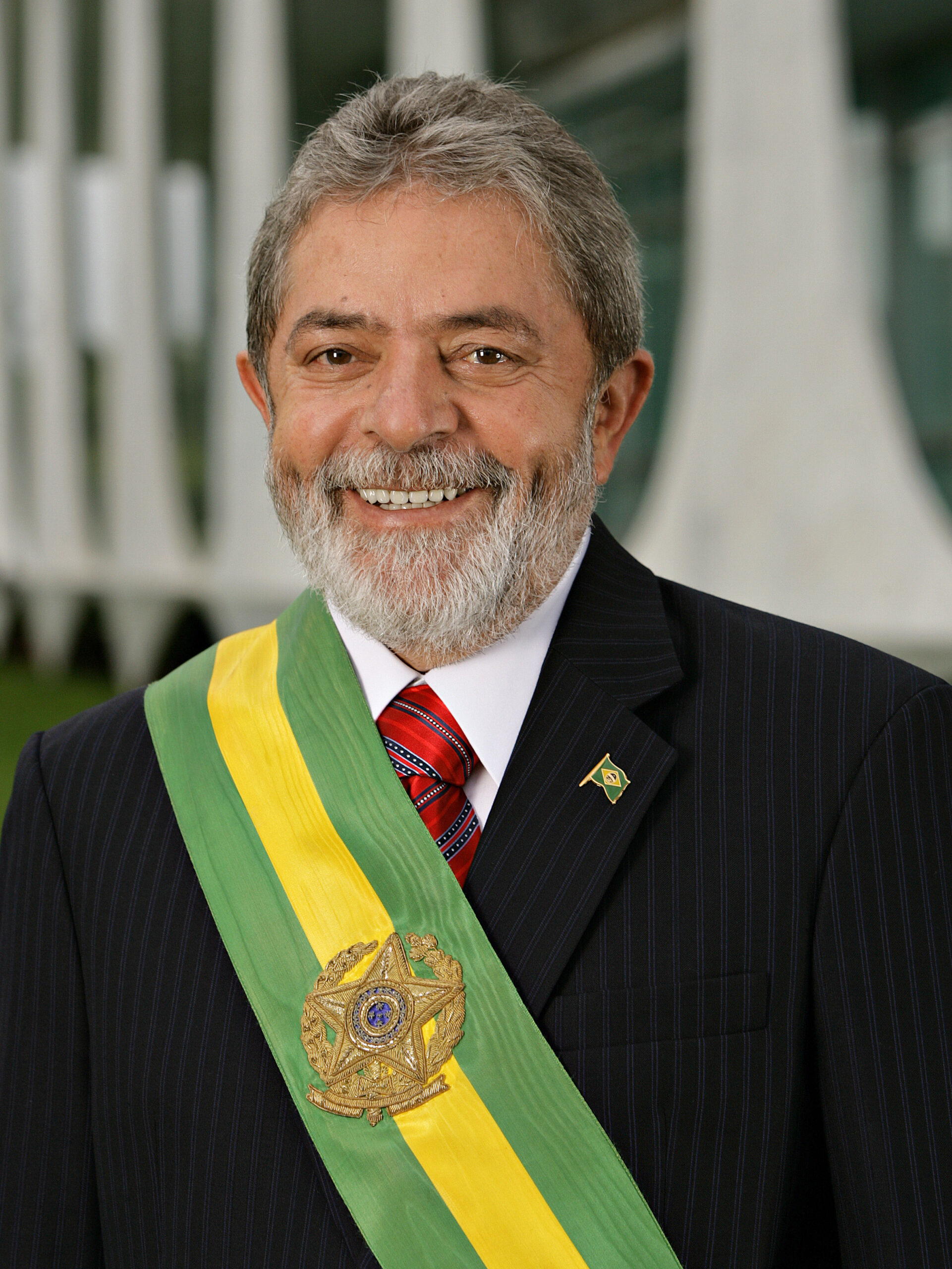
Brazil’s President Lula has secured a significant victory, winning his fourth term in office. This achievement marks a pivotal moment in Brazil’s political journey and has implications for the nation and beyond.
Election Results Overview
In a historic election, Brazil’s President Lula has secured a fourth term, reaffirming his position as a pivotal leader in the country’s political landscape. The results, which came in after a tightly contested race, showcase the strong support Lula continues to enjoy among the electorate. His victory is seen as a mandate to pursue policies aimed at reducing inequality and promoting sustainable development.
The election results reveal significant trends:
- Voter Turnout: Approximately 80% of eligible voters participated, reflecting a heightened engagement in the democratic process.
- Support Base: Lula garnered overwhelming support in urban areas, particularly among young voters and marginalized communities.
- Opposition Performance: Despite a vigorous campaign from his opponents, Lula’s platform resonated more with the public, emphasizing social justice and environmental concerns.
This decisive win positions Brazil’s President Lula to implement his ambitious agenda, aiming for economic revitalization and social reforms that could shape the nation’s future for generations to come.
Lula’s Political Journey
Brazil’s President Lula has had a remarkable political journey that spans several decades, marked by resilience and determination. Starting his career as a metalworker and union leader, Lula emerged as a prominent figure in the labor movement during the 1970s. His dedication to workers’ rights laid the foundation for his political ascent.
In 2002, Lula was elected president for the first time, leading the Workers’ Party to victory. His administration focused on reducing poverty and inequality, implementing social programs that significantly improved the lives of millions. Despite facing numerous challenges, including economic downturns and political controversies, Lula’s commitment to social justice remained unwavering.
After serving two terms, Lula’s political career was temporarily stalled due to legal issues, which many of his supporters viewed as politically motivated. However, his return to the political arena has been met with enthusiasm, culminating in his recent victory for a fourth term. As Brazil’s President Lula embarks on this new chapter, he aims to unite the nation and promote sustainable development, reinforcing his legacy as a leader dedicated to the well-being of all Brazilians.
Impact on Brazil’s Economy
Brazil’s President Lula is poised to implement significant economic reforms that aim to revitalize the country’s economy. His administration’s focus on social programs and sustainable development is expected to address pressing issues such as poverty and inequality.
Key areas of impact include:
- Investment in Infrastructure: President Lula plans to increase federal spending on infrastructure projects, which is anticipated to create jobs and stimulate economic growth.
- Support for Agriculture: The administration emphasizes support for small farmers, aiming to boost agricultural production and ensure food security.
- Green Initiatives: Lula’s commitment to environmental sustainability is expected to attract green investments, positioning Brazil as a leader in renewable energy.
- Social Welfare Programs: Expanding social safety nets will help lift millions out of poverty, contributing to a more equitable economy.
With Brazil’s President Lula at the helm, there is cautious optimism about the potential for economic recovery. His focus on inclusive growth and environmental responsibility could pave the way for a brighter future for all Brazilians.
Public Reaction to Lula’s Win
In the wake of Brazil’s President Lula securing his fourth term, public reaction has been overwhelmingly positive among his supporters. Many citizens view his victory as a beacon of hope for a brighter future, particularly in the face of ongoing economic challenges.
Social media platforms have been flooded with messages of congratulations and optimism, with hashtags celebrating Lula’s leadership trending across the nation. A recent poll indicates that approximately 65% of Brazilians believe his return to power will foster significant social and economic reforms.
Among the various sectors of society, the reactions include:
- Youth Activists: Many young people express excitement about Lula’s commitment to education and job creation.
- Labor Unions: Union leaders are enthusiastic about potential improvements in workers’ rights and wages.
- Environmental Groups: Activists are hopeful for Lula’s promises to focus on environmental sustainability and climate change initiatives.
However, there are also voices of dissent, with some critics expressing concern over Lula’s past and his ability to unite a deeply divided nation. Regardless, Brazil’s President Lula remains a central figure in the quest for national renewal.
International Response to the Election
In the wake of Brazil’s President Lula securing his fourth term, international leaders and organizations have expressed their reactions, highlighting the significance of this election on a global scale. Many world leaders congratulated Lula, emphasizing their optimism for renewed partnerships and collaboration with Brazil.
The European Union’s foreign policy chief stated, “We look forward to working closely with Brazil’s President Lula to address crucial issues such as climate change, trade, and human rights.” This sentiment was echoed by leaders from Latin America, who see Lula’s presidency as a potential catalyst for regional unity and progress.
Moreover, international markets responded positively to the election results, with stock prices reflecting investor confidence in Lula’s economic policies. Analysts pointed out that Lula’s commitment to sustainable development and social equity aligns with the global agenda for a greener future.
Despite this optimism, some nations have expressed cautious optimism. Critics remind that challenges remain, particularly regarding governance and corruption, areas where Lula’s administration will need to focus. Overall, the international community appears ready to support Brazil’s President Lula as he embarks on this new chapter for the nation.
Key Policies for Lula’s Fourth Term
As Brazil’s President Lula embarks on his fourth term, his administration is set to implement a series of key policies aimed at fostering economic growth and social equity. Central to his agenda is the expansion of social programs, which have been pivotal in reducing poverty and inequality in previous terms.
In addition to social reforms, Lula emphasizes environmental sustainability. His government plans to bolster conservation efforts in the Amazon rainforest, recognizing its critical role in combating climate change. This commitment not only seeks to protect biodiversity but also aligns with global environmental goals.
Furthermore, Lula aims to enhance Brazil’s infrastructure, investing in education and healthcare systems to elevate living standards. His administration will focus on improving access to quality education, particularly in underserved regions, ensuring that all Brazilians can benefit from economic opportunities.
Lastly, Lula intends to strengthen international relations, fostering partnerships that promote trade and investment. By focusing on these key policies, Brazil’s President Lula is poised to lead the nation toward a more prosperous and equitable future.
Challenges Ahead for Lula
As Brazil’s President Lula embarks on his fourth term, he faces significant challenges that may test his leadership and vision for the country. The political landscape remains polarized, and Lula must navigate a divided Congress to implement his ambitious agenda.
One of the foremost challenges is addressing the ongoing economic instability, which has left many Brazilians struggling to make ends meet. Inflation rates have surged, and the unemployment rate remains a concern. Lula’s administration will need to prioritize job creation and sustainable economic growth to restore public confidence.
Additionally, social issues, including poverty and inequality, are pressing matters that require immediate attention. Lula has promised reforms aimed at reducing disparities, but executing these plans will demand collaboration across various sectors.
Another challenge is environmental protection, particularly in the Amazon rainforest. Lula’s commitment to combating deforestation must be balanced with the interests of local communities and industries that depend on the land.
Despite these hurdles, Brazil’s President Lula remains resolute, emphasizing the need for unity and collective action to overcome obstacles and strive for a brighter future for all Brazilians.
Future of Brazilian Politics
As Brazil’s President Lula embarks on his fourth term, the future of Brazilian politics appears to be on a transformative path. Many analysts believe that Lula’s leadership will pave the way for a more inclusive and progressive political landscape.
The upcoming years will likely focus on several key areas:
- Social Programs: Lula aims to expand social safety nets, addressing poverty and inequality, which are critical issues in Brazil.
- Environmental Policies: With increasing global attention on climate change, Lula’s government is expected to prioritize sustainable development, particularly in the Amazon region.
- Economic Reforms: The administration is poised to implement reforms that stimulate growth while ensuring that the benefits reach the broader population.
- Political Unity: Lula’s presidency may emphasize bridging divides within the nation, fostering dialogue among various political factions.
While challenges are inevitable, the direction set by Brazil’s President Lula could lead to a brighter future. His ability to navigate complex political dynamics will be crucial in shaping the nation’s next chapter.
By Ricardo Stuckert / Presidência da República. via Openverse
Read the original
Related stories
Cooperative sector a … · Aries Horoscope Toda … · Hunter’s Moon …