
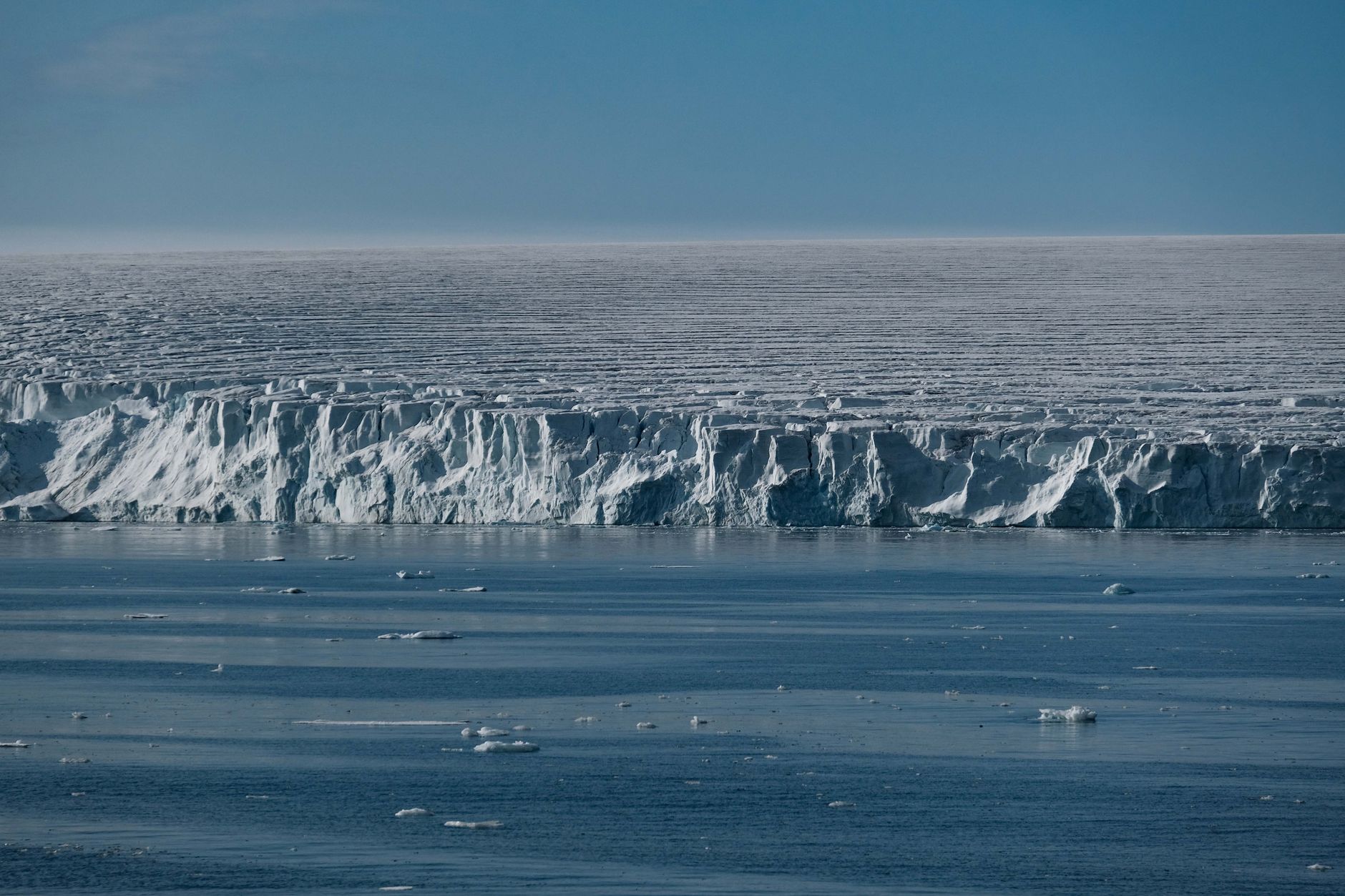
Doomsday Glacier sea level predictions have been underestimated, with scientists now warning it could raise sea levels by 3 cm by 2100. This alarming revelation highlights the urgent need for climate action.
What is the Doomsday Glacier?
The Doomsday Glacier, officially known as Thwaites Glacier, is a massive ice formation located in West Antarctica. It has gained significant attention in recent years due to its potential impact on global sea levels. The glacier is approximately the size of Florida and is particularly concerning for scientists because it is melting at an alarming rate.
Researchers have observed that the Doomsday Glacier is losing ice more quickly than previously predicted, leading to dire implications for coastal regions worldwide. The rapid melting is primarily attributed to warm ocean waters eroding the glacier’s underside, which further destabilizes its structure.
Experts estimate that if the Doomsday Glacier were to collapse entirely, it could contribute to a rise in sea levels by more than 3 meters over several centuries. However, even a partial collapse could lead to a significant increase in sea levels by approximately 3 cm by the year 2100. This rise may seem modest, but it poses serious threats to low-lying coastal communities and ecosystems.
As scientists continue to study the glacier, they emphasize the urgency of understanding its behavior and the broader implications for climate change. Monitoring the Doomsday Glacier is crucial for preparing for future sea level rise and its effects on human populations.
How Does It Affect Sea Levels?
The Doomsday Glacier, officially known as Thwaites Glacier, is a critical player in the global climate conversation due to its potential impact on sea levels. As scientists have recently discovered, the glacier is melting at an alarming rate, which poses a significant risk for coastal communities around the world. This melting can lead to substantial increases in sea levels, with projections indicating that it could raise sea levels by as much as 3 cm by the year 2100.
Understanding the mechanisms behind this glacier’s behavior is essential to grasp its implications. The factors influencing the Doomsday Glacier’s melting include:
- Warm Ocean Currents: The influx of warmer water beneath the glacier accelerates its melting process.
- Ice Shelf Stability: The glacier’s ice shelf acts as a barrier, and its weakening can lead to accelerated flow into the sea.
- Climate Change: Rising global temperatures contribute to both atmospheric and oceanic warming, further destabilizing the glacier.
The potential rise in sea levels due to the Doomsday Glacier is a profound concern for scientists, policymakers, and communities alike. With millions of people living in low-lying areas, understanding and addressing the implications of this glacier’s behavior is more critical than ever.
Recent Scientific Findings
Recent studies have revealed alarming insights regarding the Doomsday Glacier, formally known as Thwaites Glacier, and its potential impact on global sea levels. Researchers have determined that previous models underestimated the glacier’s melting rate, leading to revised predictions for its contribution to sea-level rise.
One groundbreaking finding indicates that the Doomsday Glacier could contribute an additional 3 centimeters to global sea levels by the year 2100. This projection is particularly concerning given the glacier’s critical role in stabilizing the West Antarctic Ice Sheet.
Scientists utilized advanced satellite technology and underwater robot systems to gather data on the glacier’s structure and melting processes. The results indicated that warm ocean water is eroding the glacier from below, accelerating its retreat. Key points from the research include:
- Increased temperature: The surrounding ocean has warmed significantly, affecting the glacier’s stability.
- Ice loss rate: The glacier’s ice loss rate has nearly doubled in the past few decades.
- Sea level projections: New models highlight a more severe potential for sea level rise than previously calculated.
These findings underscore the urgency for addressing climate change and its implications for coastal communities worldwide.
Implications for Coastal Communities
The implications of the Doomsday Glacier’s melting extend far beyond scientific estimates, significantly affecting coastal communities worldwide. As this massive ice sheet continues to destabilize, the prospect of rising sea levels becomes increasingly alarming.
Research indicates that the Doomsday Glacier could contribute an alarming 3 cm to global sea levels by 2100. This seemingly small increase can have devastating effects on coastal areas, exacerbating issues like flooding, erosion, and saltwater intrusion.
Coastal communities may face:
- Increased Flooding: Higher sea levels can lead to more frequent and severe flooding during storms and high tides.
- Erosion of Shorelines: As water levels rise, beaches and coastlines may erode, threatening habitats and local economies reliant on tourism.
- Impact on Infrastructure: Roads, homes, and critical infrastructure may become more vulnerable to damage, necessitating costly adaptations or relocations.
- Threat to Freshwater Supplies: Saltwater intrusion into freshwater aquifers can compromise drinking water sources, impacting public health.
Given the potential consequences, it is crucial for policymakers and communities to prioritize adaptive measures in response to the looming threats posed by the Doomsday Glacier and rising sea levels.
What Can Be Done to Mitigate Effects?
As the threat posed by the Doomsday Glacier becomes increasingly apparent, it is crucial to explore strategies that can mitigate its effects on sea levels. Addressing this pressing issue requires a multi-faceted approach that includes both local and global efforts.
- Reducing Greenhouse Gas Emissions: One of the most effective ways to slow the melting of glaciers is to limit global warming. This can be achieved by transitioning to renewable energy sources, enhancing energy efficiency, and promoting sustainable transportation.
- Protecting Coastal Ecosystems: Healthy coastal ecosystems such as mangroves and wetlands can help absorb excess water and reduce flooding risks. Investing in the restoration and protection of these natural barriers is essential.
- Implementing Adaptive Infrastructure: Coastal communities can invest in resilient infrastructure such as sea walls, elevated buildings, and improved drainage systems to better withstand rising sea levels.
- Community Engagement and Education: Raising awareness and encouraging community involvement in climate action can lead to more effective local responses to the challenges posed by the Doomsday Glacier and its implications for sea level rise.
By taking these steps, societies can work towards lowering the potential impacts of the Doomsday Glacier on sea levels and safeguarding vulnerable coastal regions.
The melting of the Doomsday Glacier sea level poses a significant threat to coastal communities worldwide. As temperatures rise, the Doomsday Glacier sea level could contribute to unprecedented flooding events in the coming decades.
Photo by Francesco Ungaro on Pexels