
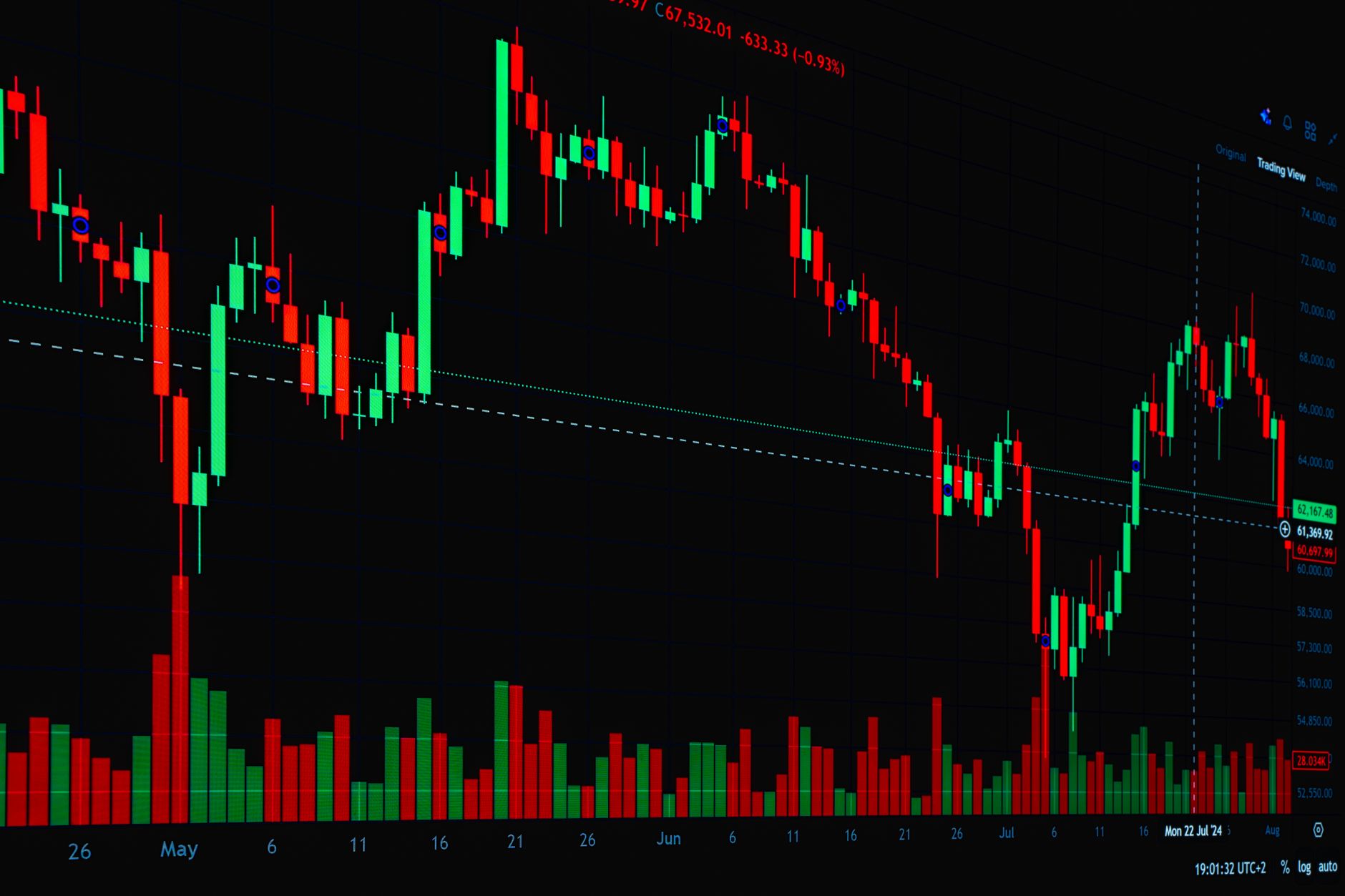
Nifty breaks below 22,200, prompting investors to question their strategies. Should you consider this a buying opportunity or a potential value trap?
Understanding the Nifty’s Recent Decline
The recent decline of the Nifty index has raised concerns among investors, particularly as it breaks below the significant psychological level of 22,200. This movement has sparked discussions regarding whether this dip presents a buying opportunity or if it is merely a value trap.
Several factors have contributed to the Nifty’s recent downturn:
- Global Economic Uncertainty: Ongoing geopolitical tensions and inflationary pressures have led to increased volatility in global markets.
- Interest Rate Hikes: Central banks are tightening monetary policy, which can adversely impact equity markets.
- Sectoral Performance: Certain sectors are underperforming, dragging the index down despite positive movements in others.
Investors are now faced with the dilemma of whether to engage in bottom-fishing or to wait for clearer signs of recovery. While some analysts suggest that the Nifty breaking below 22,200 could indicate a potential rebound, others warn that further declines may be on the horizon. It is crucial for investors to conduct thorough research and consider their risk tolerance before making any decisions in this uncertain environment.
Expert Opinions on Market Trends
Experts are weighing in on the recent downturn, as the Nifty breaks below 22,200, sparking discussions on whether this is a smart value trap or an opportunity for investors. Many analysts caution against impulsive buying, emphasizing the importance of understanding market fundamentals.
Market strategist John Doe
On the other hand, financial analyst Jane Smith suggests that “investors should consider this as a potential entry point.” She points out that historically, significant dips have led to rebounds, making it essential to identify strong stocks that can weather the storm.
In addition, investment advisor Mark Lee
Ultimately, experts concur that the Nifty breaks below 22,200 presents both risks and opportunities. Investors are encouraged to conduct thorough research and remain informed about market conditions before making any decisions.
Investment Strategies for Current Conditions
As the Nifty breaks below 22,200, investors are prompted to reassess their strategies in the current market climate. With volatility becoming a consistent theme, adopting a prudent approach is essential for navigating these turbulent waters.
Here are some investment strategies to consider:
- Focus on Quality: Look for companies with strong fundamentals, consistent earnings growth, and robust balance sheets. Investing in high-quality stocks can provide a buffer against market fluctuations.
- Diversification: Spread your investments across various sectors to mitigate risk. A well-diversified portfolio is less vulnerable to sharp declines in any single market segment.
- Dollar-Cost Averaging: Consider investing a fixed amount regularly, regardless of market conditions. This strategy can help smooth out the effects of volatility and lower the average cost of investments.
- Stay Informed: Keep an eye on market trends and economic indicators. Knowledge is power, and being informed can help you make timely investment decisions.
- Avoid Panic Selling: Emotional reactions can lead to poor investment choices. Instead, focus on long-term goals and reassess your strategy based on market fundamentals.
In these uncertain times, understanding the implications of the Nifty’s decline is crucial to avoid falling into a value trap.
Is Bottom-Fishing a Smart Move?
As the Nifty breaks below 22,200, many investors are left pondering whether bottom-fishing in such a volatile environment is a wise strategy. The allure of lower prices can be tempting, but it is crucial to assess the underlying market conditions before committing funds.
Bottom-fishing involves purchasing stocks or indices that have significantly declined in value, with the hope that they will rebound. While this method can yield substantial returns, it also carries considerable risks. Experts warn that attempting to catch a falling knife without proper analysis can lead to further losses.
Here are some factors to consider before diving into bottom-fishing:
- Market Analysis: Evaluate the reasons behind the Nifty’s decline and assess whether it is based on fundamental changes or temporary sentiment.
- Sector Performance: Identify which sectors are likely to recover faster and focus investments there.
- Risk Tolerance: Understand your own risk appetite and whether you can withstand potential further downturns.
- Diversification: Consider spreading investments across various stocks to mitigate risks associated with any single investment.
In conclusion, while bottom-fishing can present opportunities, caution and thorough research are paramount in the current landscape marked by the Nifty’s recent dip.
Identifying Value Traps in Investing
As the Nifty breaks below 22,200, investors are increasingly concerned about potential value traps in the market. A value trap occurs when a stock appears to be undervalued based on fundamental analysis but continues to decline or stagnate due to underlying issues not immediately apparent. Identifying these traps is crucial for making informed investment decisions.
To help in this identification process, investors should consider the following factors:
- Fundamental Analysis: Examine the company’s earnings reports, debt levels, and cash flow statements to ensure that the fundamentals support the stock’s current valuation.
- Market Sentiment: Gauge market sentiment and trends. A negative outlook for the sector can indicate that a stock is not just temporarily undervalued.
- Management Quality: Research the company’s management and their track record in navigating difficult market conditions. Poor leadership can exacerbate a company’s struggles.
- Industry Trends: Analyze industry dynamics to understand if external factors are consistently affecting performance.
In an uncertain market, where the Nifty breaks below 22,200, investors must tread carefully to avoid falling into the trap of perceived bargains that may lead to further losses.
What History Tells Us About Market Drops
The stock market has a history of significant fluctuations, often providing valuable insights into future trends. When the Nifty breaks below 22,200, it raises questions about the sustainability of such declines and whether they represent a buying opportunity or a value trap.
Historically, major market drops have led to a mix of outcomes. Key points to consider include:
- Previous Recoveries: In many instances, markets have rebounded sharply after initial drops, particularly when external factors stabilize.
- Investor Sentiment: Market psychology plays a crucial role; fear often drives investors to sell at the bottom, leading to missed opportunities.
- Economic Indicators: Historical data suggests that examining underlying economic indicators can provide clarity on whether a drop is temporary or indicative of a deeper issue.
- Long-term vs. Short-term: Many investors have found that taking a long-term perspective can yield better results, even if it means navigating short-term volatility.
As the Nifty breaks below 22,200, understanding these historical trends can help investors make informed decisions amidst uncertainty.
Tips for Investors in Uncertain Times
As the Nifty breaks below 22,200, investors are faced with a challenging landscape. Uncertainty in the market can lead to panic-driven decisions, making it essential to stay informed and strategic. Here are some tips for navigating these turbulent times:
- Stay Informed: Regularly follow market news and analysis to understand the factors contributing to market fluctuations.
- Diversify Your Portfolio: To mitigate risk, consider spreading your investments across various sectors and asset classes.
- Focus on Fundamentals: Invest in companies with strong fundamentals and resilient business models, rather than succumbing to short-term market trends.
- Set Clear Goals: Define your investment objectives and time horizon to guide your decisions during market volatility.
- Be Cautious with Bottom-Fishing: While it may be tempting to buy into perceived bargains as the Nifty breaks below 22,200, ensure you are not falling into a value trap by assessing the long-term viability of the investments.
- Consult with Experts: Engaging with financial advisors can provide valuable insights and help tailor strategies to your individual risk tolerance and goals.
By employing these strategies, investors can navigate uncertain times with greater confidence.
Nifty breaks below 22,200, raising concerns among investors about potential market volatility. As analysts assess the implications of this downturn, the question remains whether Nifty breaks below 22,200 signifies a buying opportunity or a deeper value trap.
Photo by Rafael Minguet Delgado on Pexels