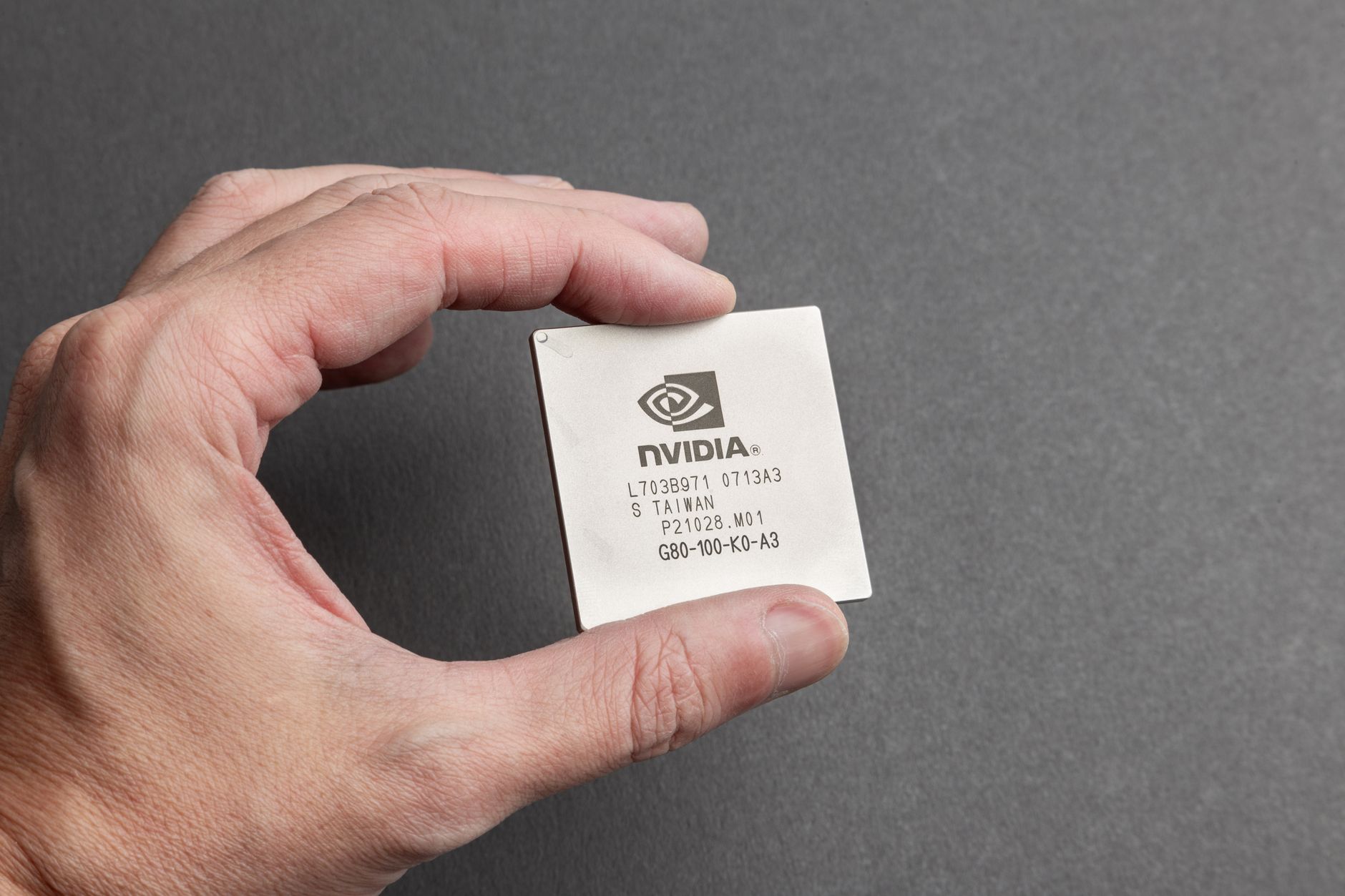
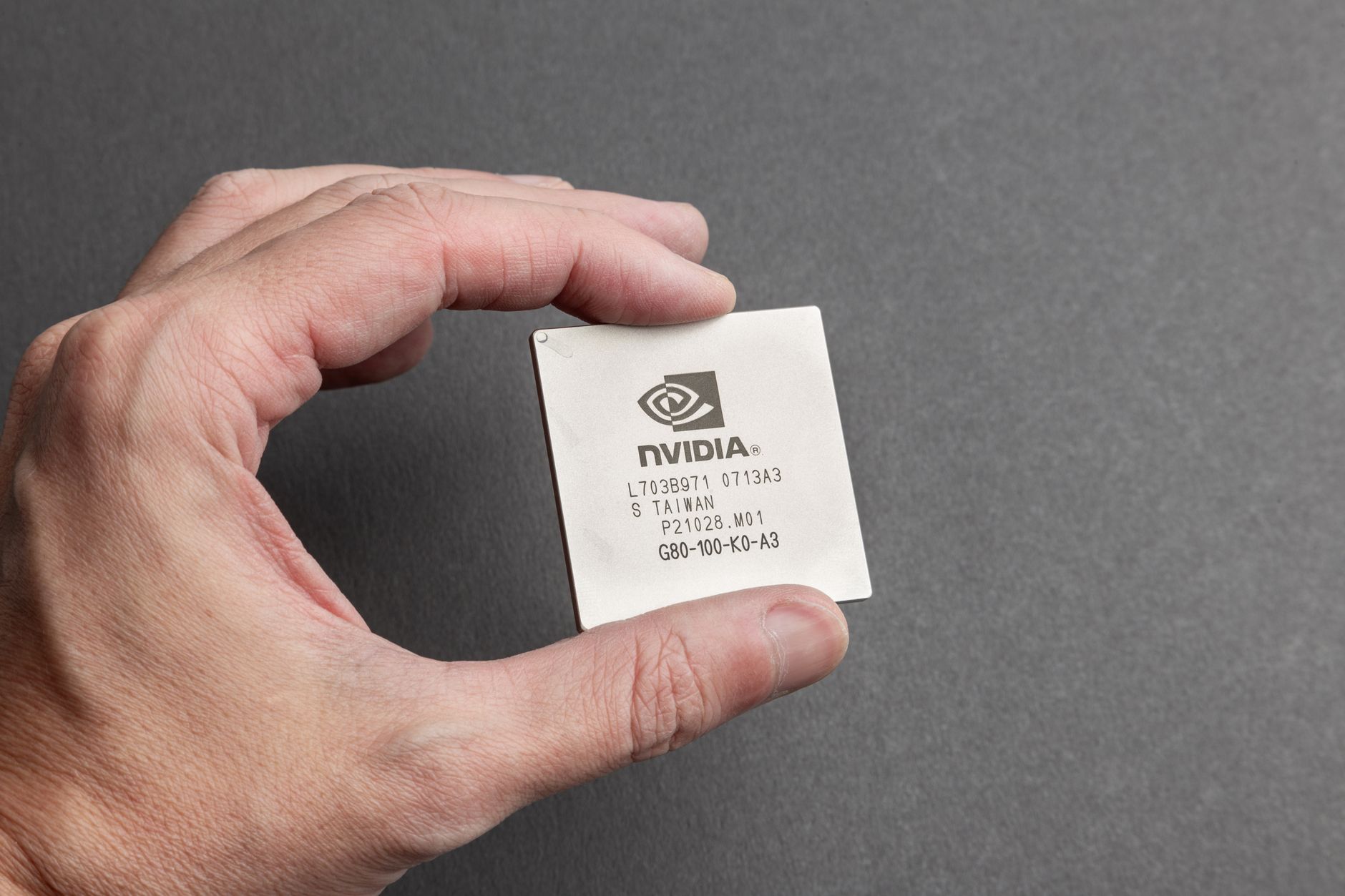
Nvidia chips acquisition has become a hot topic following the report about Alice Huang’s Chinese company. This development raises significant concerns within the tech community.
Overview of the Acquisition
The recent acquisition of Nvidia chips by a Chinese company founded by Alice Huang has raised significant concerns within the tech industry. This move has sparked debate over the implications for global technology supply chains and national security.
Reports indicate that the company in question has managed to acquire these banned Nvidia chips despite restrictions imposed by various governments. This acquisition is seen as a direct challenge to the existing regulations that aim to limit the access of advanced technology to certain nations.
Industry analysts believe that the Nvidia chips acquisition could lead to several adverse effects:
- Increased Competition: The availability of advanced Nvidia technology may enable the Chinese company to enhance its products, potentially leading to a surge in competitive pressure on Western tech firms.
- Supply Chain Disruptions: The acquisition could trigger a reevaluation of supply chains, as companies may seek to diversify their sources to mitigate risks associated with reliance on banned technology.
- National Security Risks: There are concerns that the advanced capabilities provided by the Nvidia chips could be utilized for military or surveillance purposes, posing a threat to international stability.
Overall, the fallout from this Nvidia chips acquisition could reshape the landscape of the tech industry, prompting companies to reconsider their strategies and alliances in an increasingly complex global environment.
Impact on the Tech Industry
The recent Nvidia chips acquisition by a Chinese company founded by Alice Huang has raised significant concerns regarding its potential repercussions on the tech industry. Analysts warn that this move could lead to a series of detrimental effects that may reshape market dynamics and innovation pathways.
One of the most immediate impacts is the potential for increased competition in sectors where Nvidia has long dominated. As this acquisition allows the Chinese company to access advanced technology, it may challenge existing players, leading to:
- Heightened rivalry among tech firms, particularly in AI and gaming sectors.
- Disruption of supply chains as new entrants vie for market share.
- Potential trade tensions between nations, complicating international relations.
Moreover, experts express concerns about the long-term implications for innovation. If key technologies are monopolized by companies outside of established regulatory frameworks, the pace of technological advancement could slow significantly. Industry leaders fear that this acquisition might push smaller companies out of the market, stifling diversity and creativity.
Furthermore, the acquisition underscores the ongoing geopolitical strife over technology supremacy. The scramble for advanced chips is intensifying, making it crucial for stakeholders to navigate these challenges carefully to ensure a balanced and competitive tech landscape.
Alice Huang’s Company Background
Alice Huang is a prominent figure in the tech industry, known for her innovative approach and leadership skills. She founded a company that specializes in advanced semiconductor technologies, positioning it as a significant player in the market. Under her guidance, the company has achieved notable milestones, focusing on the development and production of high-performance chips. This focus has allowed her firm to attract attention from major tech giants.
Recently, the company gained media coverage due to its controversial acquisition of Nvidia chips, which are subject to export restrictions. The acquisition has raised eyebrows within the industry, as it signals a shift in the competitive landscape of semiconductor manufacturing. Many experts are concerned that such actions could lead to a monopoly-like situation, where a single entity holds power over essential technology.
In addition to her entrepreneurial spirit, Alice Huang is recognized for fostering a culture of innovation within her team. She prioritizes research and development, ensuring that her company remains at the forefront of technology advancements. However, the Nvidia chips acquisition has put her firm in a precarious position, as it faces scrutiny from both regulators and competitors.
As discussions around the implications of this acquisition continue, it remains to be seen how Alice Huang’s company will navigate the challenges ahead and what this will mean for the broader tech industry.
Legal Implications of Banned Chips
The recent acquisition of Nvidia chips by a company founded by Alice Huang has raised significant legal implications, particularly regarding the compliance with international trade regulations. The acquisition involves chips that have been banned for export, and this violation could lead to severe repercussions.
Authorities are concerned about the following potential legal issues:
- Violation of Export Controls: The acquisition of banned Nvidia chips may contravene U.S. export laws, which are designed to prevent sensitive technology from falling into the hands of entities that could use it for military or surveillance purposes.
- Government Investigations: In response to the acquisition, federal agencies may initiate investigations to explore the extent of the legal violations and the potential involvement of other parties within the tech industry.
- Potential Fines: If found guilty of breaching these laws, the company could face hefty fines that could cripple its operations and affect shareholder confidence.
- Impact on Future Transactions: This acquisition could lead to increased scrutiny on future transactions involving tech firms and their supply chains, leading to a more cautious approach within the industry.
Overall, the legal implications of the Nvidia chips acquisition underscore the complexities involved in global tech operations and the need for strict adherence to international regulations.
Future of Nvidia in China
The future of Nvidia in China remains uncertain following the recent acquisition of banned Nvidia chips by a company founded by Alice Huang. This event has raised significant concerns regarding both the short-term and long-term implications for Nvidia’s market presence in one of its largest markets.
China’s response to the acquisition could influence future regulations regarding American technology companies operating within its borders. Analysts believe that the acquisition may prompt further restrictions on the sale of advanced chips, impacting not only Nvidia but also other tech companies reliant on similar technologies.
Several key factors are likely to shape Nvidia’s trajectory in China:
- Market Demand: The growing demand for AI and data processing capabilities in China could present opportunities for Nvidia, provided they navigate the regulatory landscape successfully.
- Political Climate: The ongoing tensions between the U.S. and China may lead to stricter policies that affect Nvidia’s ability to operate in the region.
- Innovation and Adaptation: Nvidia may need to adapt its business model, focusing on local partnerships or developing less restricted technologies to maintain its foothold in the Chinese market.
As Nvidia continues to face challenges stemming from the chips acquisition, the future of its operations in China will depend on its agility in responding to the evolving geopolitical environment.
Reactions from Industry Experts
Industry experts have voiced strong concerns regarding the Nvidia chips acquisition by Alice Huang’s company, particularly highlighting its potential ramifications for the broader tech landscape. Many believe that this merger could lead to significant disruptions in supply chains and market competition.
Dr. Samuel Lee, a technology analyst, stated, “This acquisition is not just about chips; it’s about control over technology that powers innovation. Nvidia’s dominance in GPU technology means that such an acquisition could stifle competition and limit choices for consumers.”
Meanwhile, Sarah Kim, a cybersecurity expert, raised issues regarding the implications for data security. “Banned Nvidia chips may compromise sensitive information, posing risks not only to businesses but also to national security. This acquisition could lead to vulnerabilities in critical infrastructure,” she noted.
In contrast, some industry insiders express a more optimistic view. “Innovation often comes from unexpected partnerships,” said Mark Thompson, a venture capitalist. “If managed correctly, this acquisition could foster new advancements in AI and machine learning.”
As the tech community continues to debate the impacts of the Nvidia chips acquisition, it is clear that the ramifications of this deal will extend far beyond the immediate business landscape, shaping the future of technology for years to come.
Conclusion and Next Steps
In conclusion, the Nvidia chips acquisition has raised significant concerns across the tech industry, impacting various facets from innovation to legality. As companies adapt to the shifting landscape, they must navigate the complexities introduced by this acquisition, particularly regarding the availability and use of banned chips. The repercussions of this action are likely to ripple through supply chains and alter competitive dynamics in the global market.
Moving forward, stakeholders must consider several key steps:
- Regulatory Compliance: Companies involved in the tech sector should prioritize understanding and adhering to new regulations that may arise from this acquisition, particularly those concerning the use of Nvidia’s technology.
- Innovation Strategies: Organizations must innovate around the limitations imposed by banned chips, seeking alternative solutions and technologies that can fill the gaps left by Nvidia’s products.
- Collaboration and Partnerships: Building alliances with other tech firms and research institutions may provide the necessary support to mitigate the challenges posed by the acquisition.
- Market Monitoring: Continuous monitoring of market trends and legal developments will be crucial for companies to remain competitive and compliant.
The future landscape of the tech industry will depend on how effectively stakeholders respond to the implications of the Nvidia chips acquisition. Only time will reveal the full impact of this significant shift.
The Nvidia chips acquisition has raised concerns about market monopolization and reduced competition. Many experts believe the Nvidia chips acquisition could stifle innovation in the tech industry.
Photo by Stas Knop on Pexels
Where this came from
You might also like
Microsoft outage sta … · Kalshi Trump Jr Rela … · Giant Black Holes: P …