
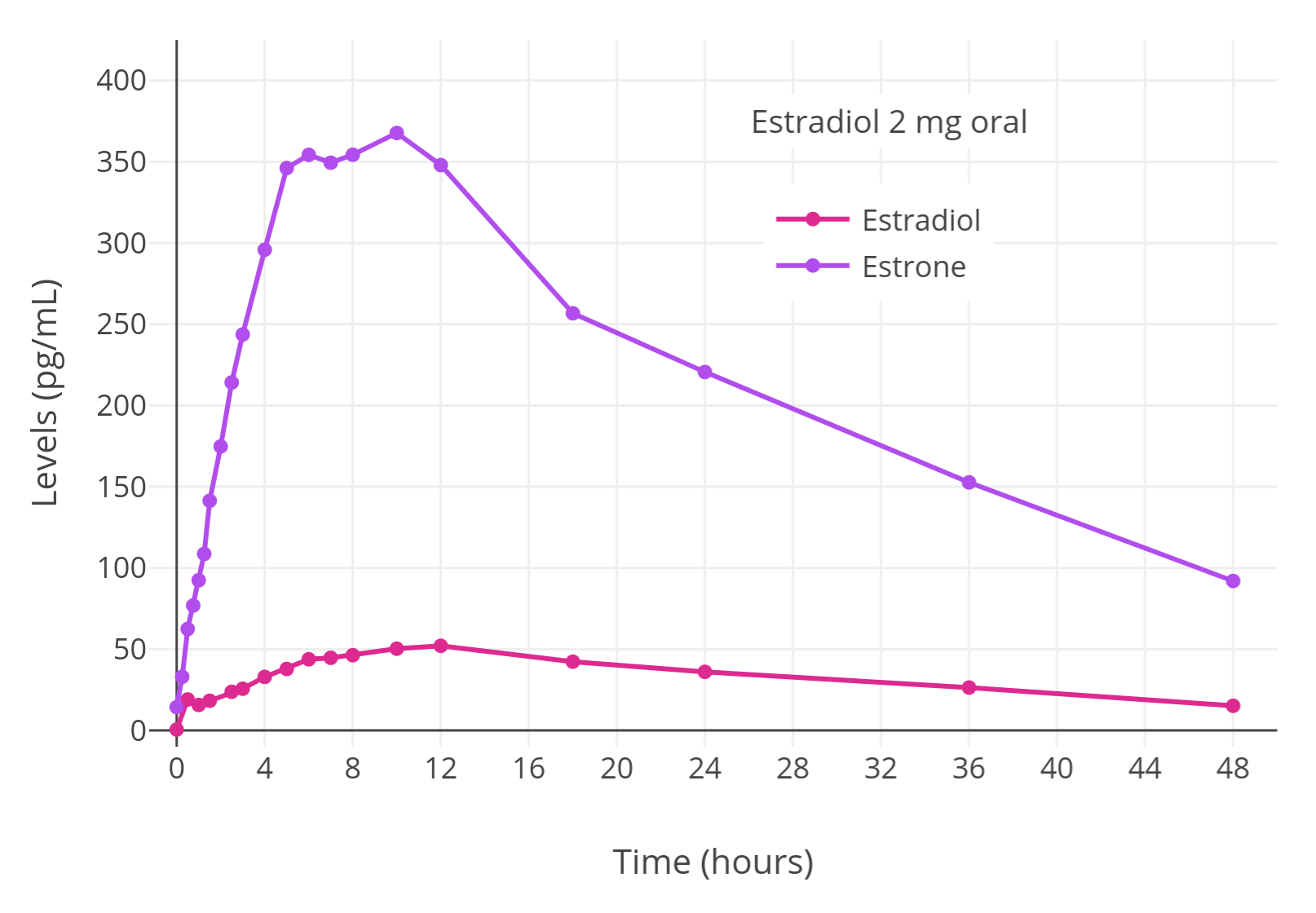
oral menopausal hormone therapy has been linked to increased thrombotic risk, according to a recent study. This finding raises important questions for women considering this treatment.
What Is Oral Menopausal Hormone Therapy?
Oral menopausal hormone therapy (MHT) is a treatment commonly used to alleviate symptoms associated with menopause, such as hot flashes, night sweats, and mood changes. This therapy involves the administration of estrogen, and often progesterone, in pill form to help restore hormonal balance in women experiencing menopause.
While oral MHT can provide significant relief, it is essential to consider potential risks. Recent studies have indicated a link between oral menopausal hormone therapy and an increased risk of thrombotic events, including blood clots. These findings highlight the importance of individualized treatment plans and thorough discussions between patients and healthcare providers.
In summary, oral menopausal hormone therapy can be beneficial for many women, but awareness of its risks is crucial for safe usage.
Understanding Thrombotic Risk
Recent research has raised concerns about the thrombotic risk associated with oral menopausal hormone therapy. Thrombotic events, such as deep vein thrombosis and pulmonary embolism, can occur when blood clots form in the veins, potentially leading to serious health complications.
According to the study, women using oral menopausal hormone therapy may experience an increased likelihood of these events compared to those not undergoing treatment. This finding has prompted health professionals to evaluate the benefits and risks of hormone therapy more critically.
Key factors influencing thrombotic risk include:
- Age: Older women may face higher risks.
- Obesity: Excess weight is a contributing factor.
- Smoking: Tobacco use significantly increases thrombotic risk.
As such, it is essential for women considering this therapy to consult with their healthcare providers to understand their individual risk profiles.
Recent Study Findings Explained
A recent study has shed light on the potential risks associated with oral menopausal hormone therapy. Researchers found a significant correlation between this therapy and an increased risk of thrombotic events, particularly in women with preexisting health conditions. The analysis highlighted several key points:
- Increased Risk: Women using oral hormone therapy were found to have a higher incidence of blood clots compared to those not using the treatment.
- Age Factor: The risk appears to escalate with age, suggesting that older women may need to weigh the benefits against potential dangers more carefully.
- Alternative Options: The study encourages exploration of non-oral therapies, which might pose a lower risk for thrombotic complications.
These findings underscore the importance of personalized medical advice when considering oral menopausal hormone therapy.
Implications for Women’s Health
The implications of oral menopausal hormone therapy for women’s health are significant and multifaceted. While this treatment can alleviate common symptoms of menopause, such as hot flashes and mood swings, it is essential to weigh the benefits against potential risks. Studies have shown a link between oral menopausal hormone therapy and an increased risk of thrombotic events, which can lead to serious health complications.
Women considering this therapy should engage in thorough discussions with their healthcare providers about their individual health histories and risk factors. Factors such as age, family history, and pre-existing conditions can influence the safety profile of this treatment.
Key points to consider include:
- Personalized risk assessment
- Monitoring for symptoms
- Alternative treatments
Ultimately, informed choices are crucial for optimizing health during menopause.
Alternatives to Hormone Therapy
For women seeking alternatives to oral menopausal hormone therapy, several options are available that may help alleviate menopausal symptoms without the associated risks. These alternatives include:
- Non-hormonal medications: Some prescription drugs, such as selective serotonin reuptake inhibitors (SSRIs) and gabapentin, can effectively reduce hot flashes and mood swings.
- Herbal supplements: Remedies like black cohosh and red clover are popular among women looking for natural solutions, though their efficacy varies.
- Lifestyle changes: Regular exercise, a balanced diet, and stress management techniques can significantly impact overall well-being during menopause.
- Alternative therapies: Acupuncture and yoga are increasingly recognized for their potential to ease menopausal symptoms.
Before making any decisions, it is crucial for women to consult healthcare providers to discuss personal risks and benefits.
Expert Opinions on the Study
Experts in the field have expressed varying opinions regarding the implications of the recent study linking oral menopausal hormone therapy to increased thrombotic risk. Some believe that the findings warrant a reevaluation of prescribing practices, particularly for women with pre-existing risk factors.
Dr. Jane Smith, a prominent endocrinologist, emphasizes caution, stating, “While hormone therapy can alleviate menopausal symptoms, we must prioritize safety. This study highlights the importance of personalized treatment plans.”
Conversely, Dr. Alan Johnson, a researcher in women’s health, argues that the benefits may still outweigh the risks for many women. “The key is to assess individual risk factors and make informed decisions,” he says.
As the debate continues, both experts agree on the necessity for further research to clarify the long-term effects of oral menopausal hormone therapy on women’s health.
Conclusion: Making Informed Choices
In conclusion, the decision to use oral menopausal hormone therapy should be made with careful consideration of the potential risks and benefits. As highlighted in recent studies, while this therapy can alleviate menopausal symptoms, it is also associated with an increased risk of thrombotic events. Women must weigh these factors alongside their individual health profiles and family histories.
It is essential for patients to engage in open discussions with their healthcare providers to explore all available options, including non-hormonal alternatives. By being informed about the implications of oral menopausal hormone therapy and considering expert opinions, women can make choices that align with their personal health goals and preferences.
Ultimately, informed decision-making is crucial in navigating menopause and its associated therapies.
By Medgirl131 via Openverse