Intestinal Ostomy Surgery can lead to various morbidity and mortality outcomes. This study explores the implications of these surgical procedures over a 16-month period.
Understanding Intestinal Ostomy Surgery
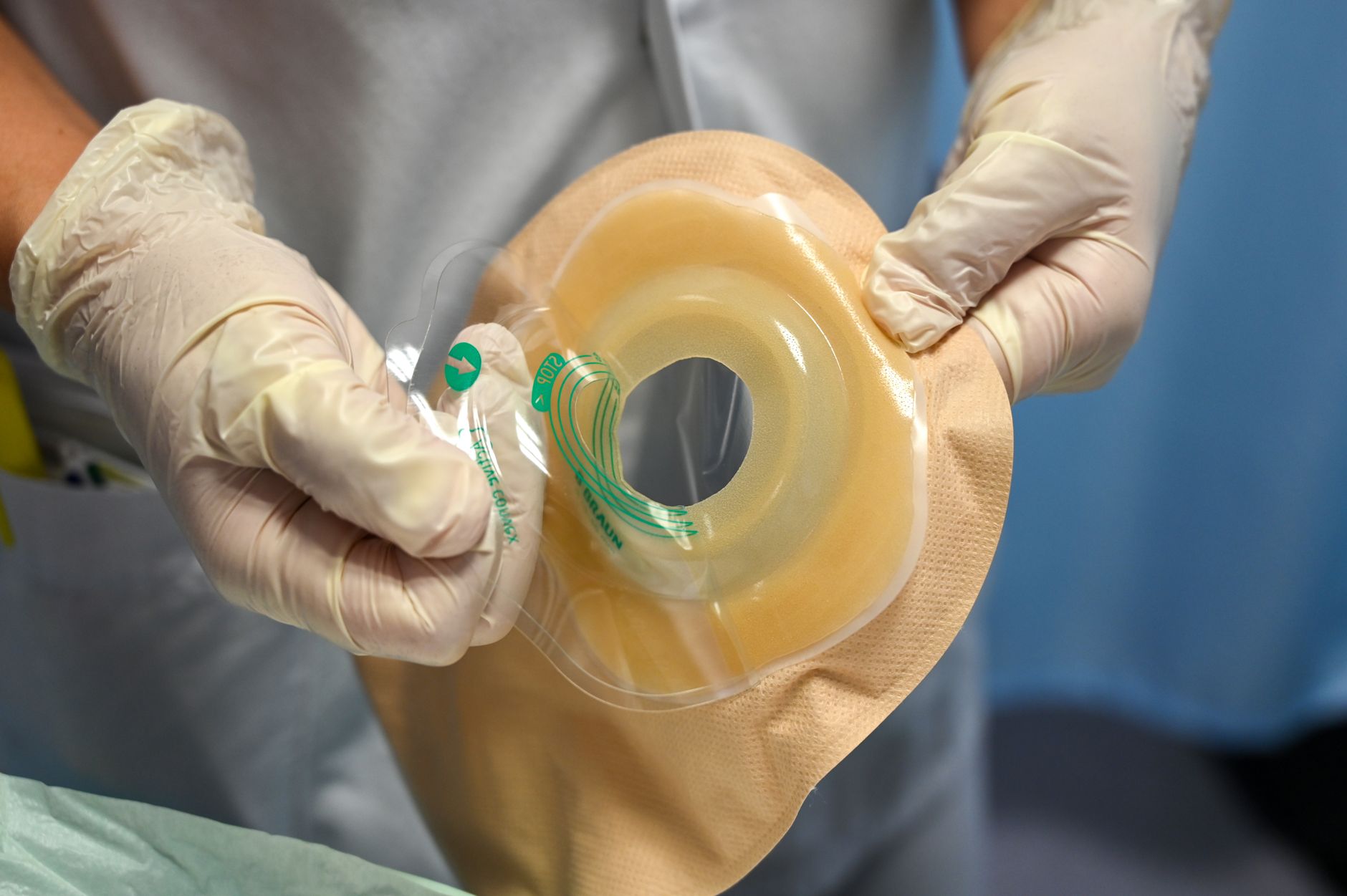
Intestinal ostomy surgery is a procedure that involves creating an opening (stoma) in the abdomen to divert the flow of waste from the intestines. This surgery is often necessary for patients suffering from conditions such as Crohn’s disease, colorectal cancer, or severe bowel obstructions. While it can significantly improve the quality of life for many individuals, it is essential to understand the associated risks and benefits.
According to a recent study on morbidity and mortality following intestinal ostomy surgery, patients may face complications such as:
- Infection: Post-surgical infections can occur at the stoma site.
- Leakage: Improper sealing of the ostomy bag may lead to skin irritation.
- Psychosocial Impact: Adjusting to life with a stoma can affect mental health.
Despite these challenges, many find that the benefits, including pain relief and improved digestion, outweigh the risks.
Study Overview and Methodology
A recent study titled “Morbidity and Mortality Following Intestinal Ostomy Surgery: A 16-Month Prospective Cohort Study” aimed to evaluate the risks and benefits associated with intestinal ostomy surgery. Conducted over a 16-month period, the research involved a diverse cohort of patients undergoing the procedure.
The methodology centered on the collection of comprehensive data regarding patient outcomes, complications, and overall quality of life post-surgery. Key aspects of the study included:
- Patient Selection: Inclusion of adults requiring intestinal ostomy surgery.
- Data Collection: Regular follow-ups to monitor health status.
- Outcome Measures: Analysis of morbidity and mortality rates.
This rigorous approach provided valuable insights into the implications of intestinal ostomy surgery for patients, highlighting both potential complications and benefits.
Key Findings on Morbidity
Recent research has highlighted several key findings regarding morbidity associated with intestinal ostomy surgery. The study observed that complications occurred in approximately 30% of patients within the first year post-surgery. Among these complications, the most common included:
- Infection at the surgical site
- Dehydration and electrolyte imbalances
- Stenosis or narrowing of the stoma
Additionally, a significant number of patients reported long-term issues such as:
- Altered bowel habits
- Psychological impacts including anxiety and depression
Despite these challenges, many patients also reported improvements in quality of life, emphasizing the importance of weighing the risks and benefits when considering intestinal ostomy surgery.
Mortality Rates Explained
Mortality rates associated with intestinal ostomy surgery are a critical factor for patients and healthcare providers to consider. Research indicates that these rates can vary significantly based on a range of factors.
Some of the key elements influencing mortality include:
- Patient Age: Older patients often face higher risks.
- Comorbid Conditions: Preexisting health issues can complicate recovery.
- Type of Surgery: The complexity of the procedure may also play a role.
- Postoperative Care: Quality and timeliness of care after surgery are crucial for reducing risks.
Understanding these factors can help mitigate risks and improve outcomes for individuals undergoing intestinal ostomy surgery. Awareness and proper planning are essential in addressing potential complications and enhancing recovery.
Implications for Future Patients
The implications of recent findings on intestinal ostomy surgery extend beyond current patients and influence future surgical practices and patient care. As healthcare providers analyze morbidity rates and mortality outcomes, it becomes crucial to tailor preoperative counseling for patients considering this procedure.
Future patients may benefit from:
- Enhanced Education: A deeper understanding of potential risks and benefits can lead to better decision-making.
- Improved Surgical Techniques: Ongoing research may refine methods, reducing complications associated with intestinal ostomy surgery.
- Personalized Care Plans: Individual risk assessment tools could aid in creating customized recovery strategies.
Ultimately, the insights from this study underscore the importance of continuous improvement in patient outcomes and highlight the need for comprehensive support systems for those undergoing intestinal ostomy surgery.
Photo by Stéf -b. on Pexels
Where this came from
Nvidia chip sales to … · IOA election withdra … · Chrome security flaw …