
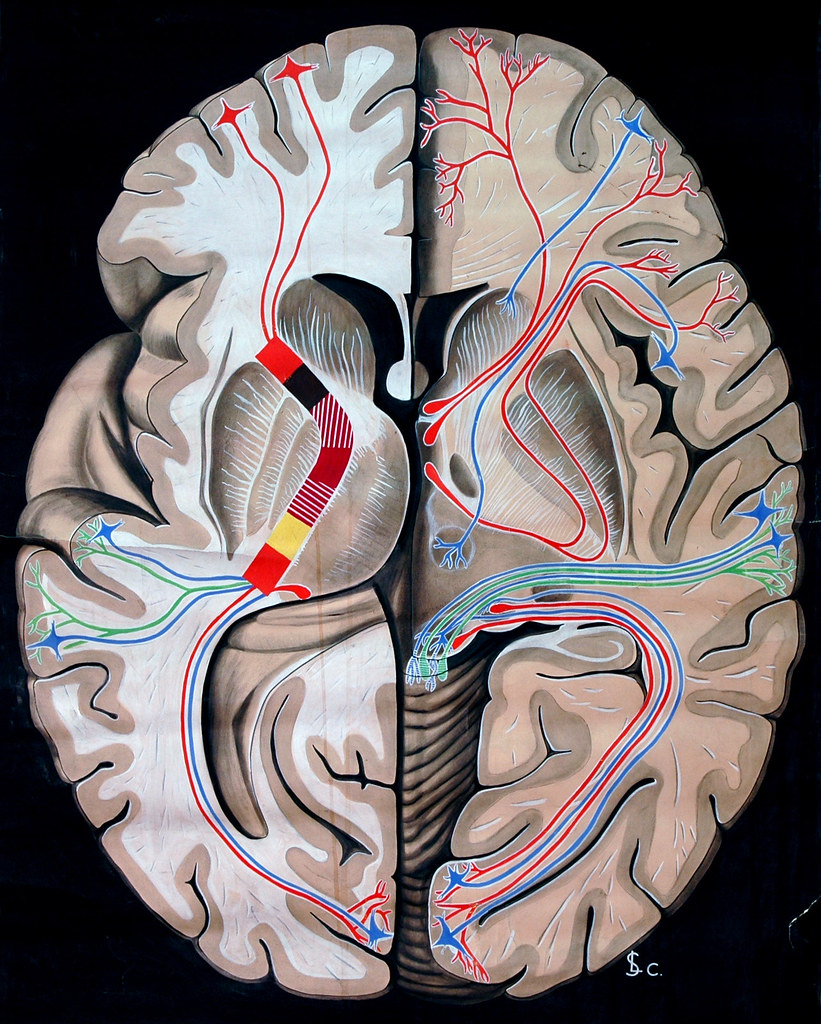
human brain systems are not as straightforward as previously thought. A Stanford study suggests that the brain may actually consist of two distinct systems dating back 550 million years.
Introduction to Brain Systems
The recent findings from a Stanford study have shed new light on the complex architecture of the human brain systems. Researchers have proposed that the brain may not function as a single cohesive organ, but rather as two distinct systems that have evolved over the last 550 million years. This revelation challenges traditional views and opens up new avenues for understanding brain functionality.
Key Insights from the Study:
- The researchers identified two primary systems within the brain: one that is involved in basic survival functions and another that supports higher cognitive processes.
- These systems interact and influence each other, but they also operate independently, suggesting a layered approach to brain function.
- The study utilized advanced imaging techniques to visualize these systems in action, providing unprecedented insights into how they operate.
Understanding the distinctions between these human brain systems is crucial for both neuroscience and psychological research. By recognizing how these systems evolved separately, scientists can better comprehend various mental health disorders and cognitive functions. This study not only adds to our knowledge of brain evolution but also emphasizes the importance of viewing the brain as a dynamic interplay of systems rather than a singular entity.
Understanding Brain Organization
The recent findings from a Stanford study challenge the traditional view of the human brain as a singular, unified organ. Instead, researchers have identified distinct systems within the brain that have evolved over millions of years. This revelation emphasizes the complexity of human brain systems and their interconnected roles in processing information.
According to the study, the brain is organized into two primary systems:
- The Emotional System: This system is responsible for processing emotions and social interactions. It plays a crucial role in decision-making and personal relationships.
- The Cognitive System: In contrast, this system focuses on analytical thinking, problem-solving, and logical reasoning. It governs our ability to plan and execute tasks.
Researchers utilized advanced imaging techniques to observe the interactions between these two systems. They found that while they function independently, they often communicate and collaborate to enhance overall brain efficiency. This dual-system structure may date back 550 million years, suggesting deep evolutionary roots.
Understanding these brain systems not only sheds light on how we think and feel but also opens new avenues for research into neurological disorders. As scientists continue to explore the intricacies of human brain systems, the implications for psychology and medicine could be profound.
The Evolution of Brain Systems
The evolution of brain systems is a complex journey that reflects millions of years of adaptation and development. Recent findings from a Stanford study suggest that the human brain may comprise more than just a singular organ, revealing distinct systems that have persisted throughout evolution.
Researchers discovered that these two primary brain systems date back approximately 550 million years, indicating a profound biological significance. The study highlights:
- System differentiation: The human brain systems have evolved to specialize in different functions, providing enhanced capabilities for processing information and responding to the environment.
- Common ancestry: The similarities in these systems across various species suggest a common ancestral origin, further emphasizing the interconnectedness of life.
- Functional implications: Understanding these systems could revolutionize our approach to treating neurological disorders, as it opens new avenues for targeted therapies.
The implications of this research extend beyond just academic interest, as they offer a potential framework for understanding how brain systems operate in health and disease. By delving into the evolutionary history of the human brain systems, scientists can gain valuable insights into the fundamental mechanisms that govern human behavior and cognition.
As more research unfolds, the intricate tapestry of the human brain continues to reveal its secrets, further illuminating the pathways through which we think, learn, and interact with the world around us.
Key Findings from the Study
The recent Stanford study has unveiled significant findings regarding the organization and functionality of human brain systems. The researchers identified two distinct systems that have evolved over millions of years, challenging the traditional view of the brain as a single organ. Here are the key findings from the study:
- Two Distinct Systems: The study highlights the existence of two primary brain systems—one responsible for social interactions and emotional regulation, and the other for cognitive processing and decision-making.
- Evolutionary Significance: These systems are believed to have roots dating back 550 million years, suggesting a deep evolutionary lineage that has shaped human behavior and cognition.
- Functional Specialization: Each system operates with a high degree of specialization, allowing humans to navigate complex social environments while also engaging in abstract thinking.
- Implications for Mental Health: Understanding these brain systems can provide insights into various mental health issues, potentially leading to more targeted therapies and interventions.
- Future Research Directions: The findings open avenues for further research into how these systems interact, particularly in relation to neurodevelopmental disorders and cognitive decline.
Overall, the Stanford study presents a groundbreaking perspective on human brain systems, emphasizing the intricate nature of our cognitive and emotional lives.
Implications for Neuroscience
The recent findings from the Stanford study have significant implications for the field of neuroscience, particularly in our understanding of human brain systems. Researchers uncovered that the human brain may function as two distinct systems, challenging the long-held notion of the brain as a singular, cohesive organ.
These insights prompt a reevaluation of longstanding theories regarding brain organization and its evolutionary development. By recognizing the dual systems that have been in place for approximately 550 million years, scientists can explore how these systems interact and contribute to various cognitive functions.
Among the key implications are:
- Enhanced Understanding of Brain Disorders: Recognizing that different systems may govern specific functions could lead to more targeted approaches in diagnosing and treating neurological conditions.
- Revised Models of Brain Function: The study encourages a shift from viewing the brain as a unified entity to understanding its complex, interrelated parts.
- New Avenues for Research: This differentiation opens up novel research pathways, allowing scientists to investigate how these systems evolved and their roles in human behavior.
Ultimately, the revelations from this study not only deepen our comprehension of human brain systems but also pave the way for future discoveries that could transform neuroscience.
Future Research Directions
As researchers continue to explore the intricacies of the human brain systems, several future research directions emerge from the findings of the Stanford study. These directions aim to deepen our understanding of how these systems operate both individually and in concert, potentially leading to breakthroughs in neuroscience.
- Exploration of Connectivity: Future studies should focus on the connectivity between the two identified brain systems, particularly how they interact during various cognitive tasks. Understanding these connections may reveal insights into underlying neural pathways and their roles in behavior.
- Implications for Neurodevelopment: Investigating how these systems develop over time, from infancy through adulthood, will be crucial. This research could illuminate how early experiences shape the organization of the human brain systems.
- Impact on Mental Health: Another promising avenue for research is the impact of these brain systems on mental health disorders. By analyzing the differences in brain system functioning among individuals with various conditions, researchers may identify new therapeutic targets.
- Technological Integration: Incorporating advanced imaging technologies could enhance our ability to visualize and quantify the interactions between brain systems, facilitating more detailed studies.
In summary, the future of research on human brain systems is rich with potential, promising to unravel the complexities of our neural architecture and its implications for health and disease.
By Double–M via Openverse
References
Which countries sent … · Visa bond for countr … · Mamata TMC Koel Mall …