
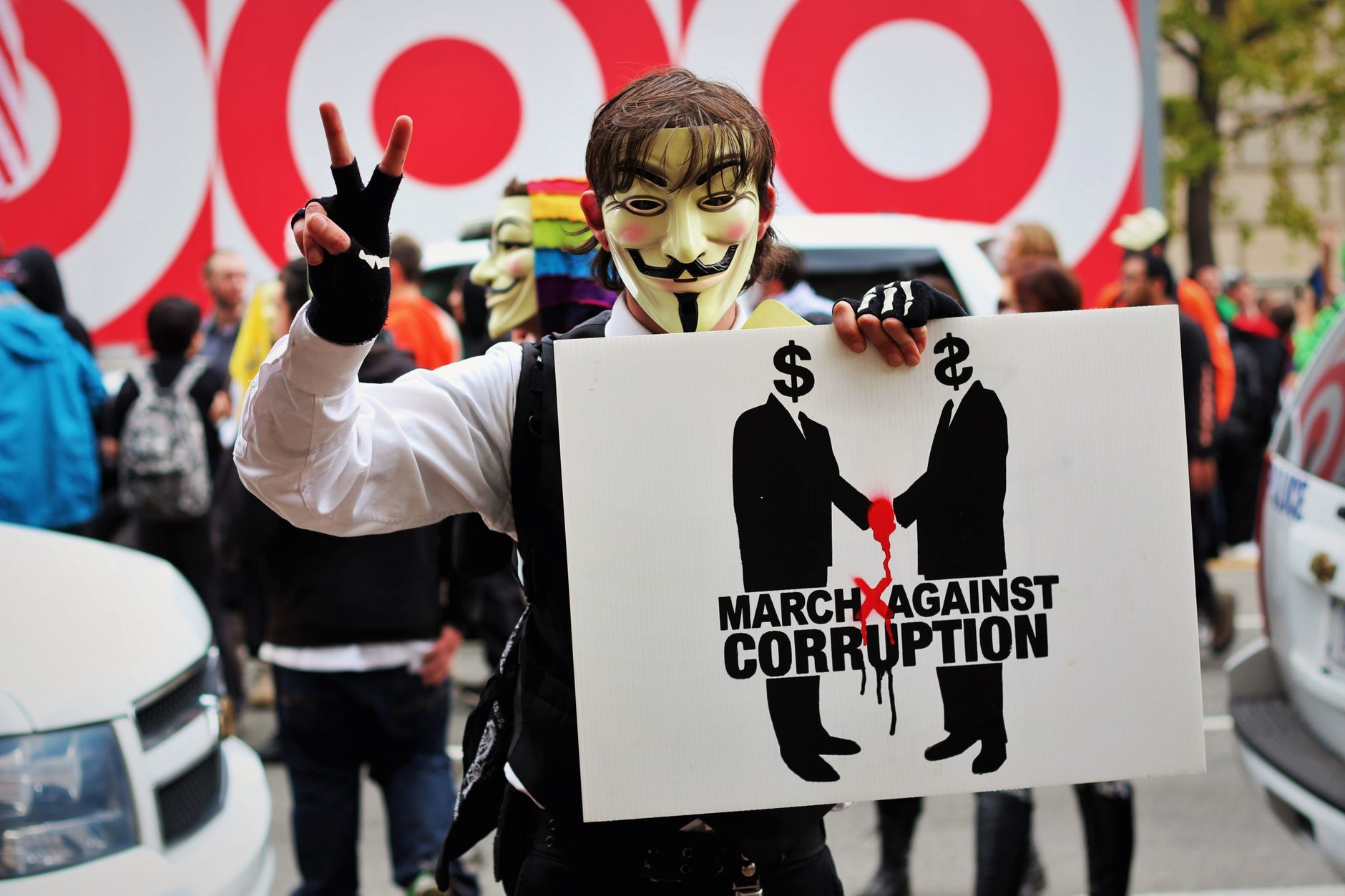
Trump corruption scrutiny is becoming a pressing issue for Middle East monarchies, who are bracing for the implications of a potential blue wave in the U.S. elections.
Understanding the Trump Corruption Scrutiny
The recent wave of scrutiny surrounding Trump corruption has raised concerns among various global leaders, particularly within the Middle Eastern monarchies. As former President Donald Trump faces increasing legal challenges, these monarchies are closely monitoring the implications of his actions on their own political stability and relationships with the United States.
Several factors contribute to the unease among these leaders:
- Political Alliances: Many monarchies have fostered relationships with Trump, viewing him as a key ally in regional politics. The potential fallout from corruption allegations could strain these alliances.
- Economic Implications: A shift in U.S. foreign policy, influenced by the scrutiny of Trump, could impact economic support or military aid, crucial for these nations.
- Public Perception: The growing focus on corruption may lead to heightened scrutiny of governance in these monarchies, prompting calls for reform from their own citizens.
As the situation unfolds, the ramifications of Trump’s legal troubles may extend beyond American borders, affecting diplomatic relations and the internal dynamics of monarchies in the region.
Impact on Middle East Monarchies
The ongoing Trump corruption scrutiny presents a complex landscape for Middle East monarchies, which have historically maintained close ties with U.S. administrations. As political tides shift in America, these monarchies brace for potential repercussions on their diplomatic and economic relations.
Several factors contribute to their concerns:
- Political Uncertainty: The scrutiny surrounding Trump may lead to changes in U.S. foreign policy, particularly regarding military aid and arms sales that are crucial for regional stability.
- Public Opinion: Increased attention on foreign leaders’ dealings with Trump could shift public sentiment against leaders who are perceived as complicit in corruption, affecting internal stability.
- Economic Implications: Any fallout from investigations could disrupt trade agreements or investments, particularly in countries reliant on American economic support.
As these monarchies navigate the implications of the Trump corruption scrutiny, they may need to reassess their strategies to maintain influence and ensure their long-term survival in a rapidly changing geopolitical environment.
Political Reactions in the Region
As the political landscape shifts in response to the recent scrutiny surrounding Trump corruption, regional leaders in the Middle East are closely monitoring the implications for their own governance. The potential fallout from the investigation has prompted a range of reactions among monarchies in the area.
- Increased Caution: Many monarchs are adopting a more cautious approach to their political maneuvers, wary of the precedent set by the scrutiny facing Trump. They fear that similar investigations could arise in their own countries.
- Strengthened Alliances: Some leaders are seeking to bolster alliances with Western nations, hoping to mitigate any negative consequences that might arise from the U.S. political climate.
- Public Relations Efforts: To counter any potential backlash, several monarchies are ramping up public relations efforts, emphasizing their commitment to reform and transparency in governance.
As the situation continues to develop, the implications of Trump corruption scrutiny may lead to significant changes in how these monarchies operate both domestically and on the international stage.
Historical Context of Corruption
Corruption has long been a contentious issue in global politics, and its historical context provides insight into the ongoing Trump corruption scrutiny. Throughout history, various political regimes have faced allegations of corruption, often leading to significant shifts in power dynamics. Monarchies in the Middle East, in particular, have navigated challenges that arise from both internal and external pressures.
In the past, the stability of these monarchies has sometimes depended on their ability to maintain a facade of legitimacy. When corruption scandals emerge, they can provoke public discontent and calls for reform. Notably, the Arab Spring demonstrated how widespread corruption can destabilize even the most entrenched regimes.
Additionally, the influence of external actors, including the United States, has historically complicated matters. U.S. administrations have at times overlooked corruption in favor of strategic alliances. However, with the current scrutiny surrounding Trump, there is a growing expectation for transparency and accountability, which could reshape the relationship between the U.S. and Middle Eastern monarchies.
As the implications of this scrutiny unfold, it remains to be seen how these monarchies will respond to the potential challenges posed by shifting political tides.
Future Implications for U.S.-Middle East Relations
The ongoing Trump corruption scrutiny is poised to reshape U.S.-Middle East relations in significant ways. As the political landscape evolves, monarchies in the region are closely monitoring the developments, particularly as they assess their alliances with the United States.
Several factors will influence future relations:
- Trust and Reliability: A perceived instability in U.S. political leadership may lead Middle Eastern monarchies to question the reliability of their partnerships.
- Economic Considerations: Monarchies may seek to diversify their economic ties, potentially looking beyond the U.S. to other global powers if they feel their interests are threatened.
- Security Alliances: The implications of U.S. foreign policy shifts could impact military and security collaborations, affecting regional stability.
- Public Sentiment: Growing scrutiny over Trump’s actions could lead to increased anti-U.S. sentiment among populations in these monarchies, complicating diplomatic efforts.
As these factors unfold, the future of U.S.-Middle East relations will likely remain uncertain, prompting both sides to navigate a landscape marked by skepticism and shifting loyalties.
The ongoing Trump corruption scrutiny raises questions about the potential influence of American political scandals on global monarchies. As leaders in these systems observe the fallout from Trump corruption scrutiny, they may reconsider their own governance and accountability practices.
Photo by Vincent M.A. Janssen on Pexels