
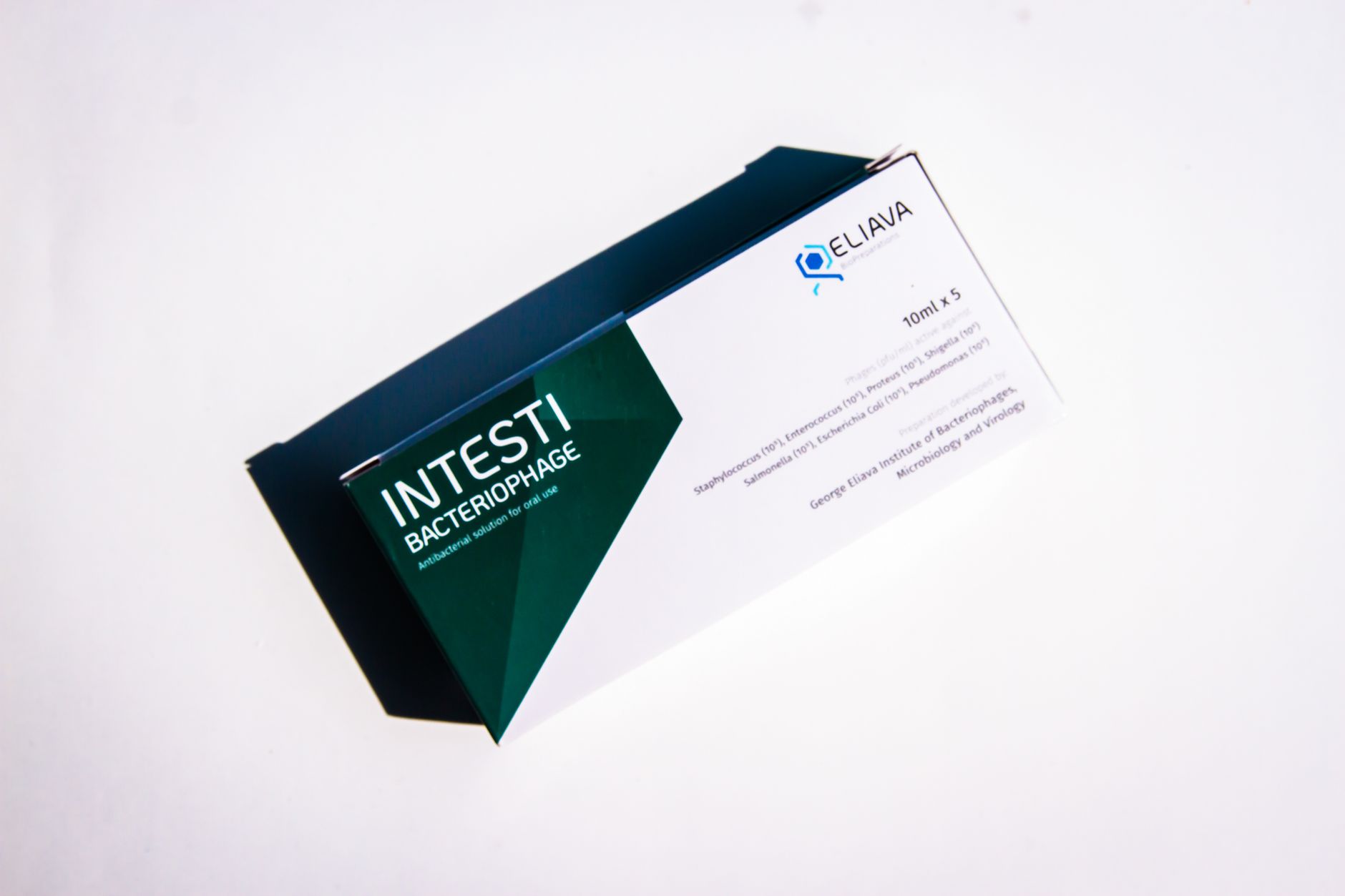
The bacterial molecule intestinal repair has been discovered by researchers, showcasing its rapid capability to heal intestinal damage effectively. This breakthrough could have significant implications for gut health.
What is the Bacterial Molecule?
The recent discovery of a bacterial molecule has generated significant interest in the field of gastrointestinal health. This molecule, derived from specific strains of beneficial bacteria, plays a crucial role in the maintenance and repair of intestinal tissues. Researchers have found that the bacterial molecule possesses unique properties that facilitate rapid healing of intestinal damage, making it a potential game-changer for individuals suffering from various digestive disorders.
In laboratory studies, this molecule has demonstrated its ability to enhance cellular regeneration and reduce inflammation within the intestinal lining. The mechanism by which it operates involves the modulation of signaling pathways responsible for cell growth and repair. As a result, the bacterial molecule not only aids in healing existing damage but also helps to fortify the intestinal barrier against future injury.
Potential applications of this discovery include:
- Treatment of Inflammatory Bowel Disease (IBD): The bacterial molecule could offer new therapeutic avenues for managing IBD symptoms.
- Restoration of Gut Health: It may assist in restoring balance to the gut microbiome after antibiotic treatments.
- Support for Post-Surgical Recovery: The molecule could play a role in enhancing recovery following gastrointestinal surgeries.
Given its promising properties, the bacterial molecule represents a novel approach to intestinal repair, highlighting the potential of harnessing microbial interventions in modern medicine.
How Does It Work?
The newly discovered bacterial molecule operates through a unique mechanism that facilitates rapid intestinal repair. By targeting the damaged areas of the gut lining, it promotes cellular regeneration and reduces inflammation, which is crucial for healing.
Researchers have identified several key processes involved in how this bacterial molecule functions:
- Cell Proliferation: The molecule stimulates the growth of epithelial cells, which are essential for restoring the gut barrier. This effect is particularly significant in conditions where the intestinal lining has been compromised.
- Inflammation Reduction: It modulates the immune response, decreasing inflammatory cytokines that can hinder the healing process. This anti-inflammatory action helps to create a conducive environment for tissue repair.
- Microbiome Support: The presence of this bacterial molecule encourages a healthy microbiome balance, which is pivotal for overall gut health and function. A diverse microbiome can enhance nutrient absorption and further support repair mechanisms.
- Signaling Pathways: The molecule activates specific signaling pathways that lead to increased production of growth factors necessary for tissue regeneration.
Overall, the bacterial molecule shows promise as a potent agent for intestinal repair, potentially revolutionizing treatments for various gastrointestinal disorders.
Benefits of Intestinal Repair
The benefits of intestinal repair are significant, particularly when considering the role of a bacterial molecule in this process. Effective repair mechanisms can enhance overall gut health, which is vital for the immune system and digestion. Here are some key benefits of intestinal repair:
- Improved Nutrient Absorption: A healthy intestinal lining allows for better absorption of essential nutrients, vitamins, and minerals, leading to improved overall health.
- Enhanced Immune Function: The gut is home to a large portion of the body’s immune cells. Repairing intestinal damage can bolster the immune response, helping to fend off infections and diseases.
- Reduction in Inflammation: Damage to the intestinal lining often results in inflammation. Rapid repair through the use of a bacterial molecule can help reduce inflammation, leading to a more stable gut environment.
- Prevention of Leaky Gut Syndrome: Intestinal repair can prevent conditions like leaky gut syndrome, where toxins and undigested food particles enter the bloodstream, contributing to various health issues.
- Improved Gut Microbiome: A well-repaired intestinal tract supports a balanced gut microbiome, which is crucial for digestion, weight management, and mental health.
In summary, utilizing a bacterial molecule for intestinal repair not only aids in restoring the gut lining but also offers multiple long-term health benefits.
Recent Research Findings
Recent research has unveiled promising findings regarding the role of a bacterial molecule in the process of intestinal repair. Scientists have identified a specific bacterial molecule that has shown remarkable capabilities in accelerating the healing of intestinal tissue, particularly after inflammation or injury. This discovery is generating significant interest within the medical community, as it offers a potential therapeutic avenue for conditions such as inflammatory bowel disease (IBD) and other gastrointestinal disorders.
In a recent study published in a leading medical journal, researchers conducted experiments on animal models that mimicked intestinal damage. They observed that the application of the bacterial molecule led to:
- Increased cell proliferation: The molecule stimulated the growth of intestinal cells, facilitating quicker repair.
- Enhanced mucosal barrier function: It improved the integrity of the intestinal lining, reducing permeability.
- Reduction in inflammation: The bacterial molecule exhibited anti-inflammatory properties, which are crucial for healing.
Moreover, the research highlighted the molecule’s potential to modulate gut microbiota, suggesting that it could promote a healthier intestinal environment. As scientists continue to explore the implications of this bacterial molecule, the hope is to develop targeted therapies that harness its benefits for patients suffering from chronic intestinal conditions.
Potential Applications in Medicine
The discovery of the bacterial molecule has opened up exciting potential applications in medicine, particularly in the field of gastrointestinal health. Researchers are exploring its use in treating various intestinal disorders, which could revolutionize the approach to managing conditions that cause significant damage to the gut lining.
One of the most promising applications of this bacterial molecule is in the treatment of inflammatory bowel diseases (IBD), such as Crohn’s disease and ulcerative colitis. These chronic conditions lead to persistent inflammation and damage within the intestines, resulting in painful symptoms and a reduced quality of life for many patients. By harnessing the properties of the bacterial molecule, scientists aim to promote rapid repair of intestinal damage, potentially alleviating the symptoms associated with IBD.
Additionally, the bacterial molecule could be instrumental in post-surgical recovery for patients who have undergone intestinal surgeries. These patients often experience complications related to slow healing of the intestinal lining. By utilizing the bacterial molecule for intestinal repair, clinicians may be able to enhance recovery times and improve overall patient outcomes.
Furthermore, the implications extend beyond chronic diseases and surgical recovery. There is potential for its use in enhancing gut health in the general population, promoting healing after episodes of gastrointestinal distress, and even in the prevention of certain conditions linked to gut integrity.
Overall, the applications of the bacterial molecule in medicine suggest a promising frontier in the quest for effective treatments targeting intestinal repair.
Expert Opinions on Gut Health
Experts in the field of gut health are increasingly optimistic about the role of bacterial molecules in intestinal repair. Dr. Sarah Jennings, a gastrointestinal specialist, emphasizes the importance of understanding how these molecules interact with the gut microbiome. “The discovery of a bacterial molecule that can facilitate rapid intestinal repair is a game-changer,” she states. This innovative approach could redefine treatment protocols for various digestive disorders.
Dr. Mark Thompson, a microbiologist, adds that the implications of this research extend beyond immediate repair. “Not only does the bacterial molecule enhance the healing process, but it may also promote long-term gut health by restoring the balance of beneficial bacteria,” he notes. This dual action presents a compelling case for incorporating such molecules into therapeutic strategies.
Furthermore, Dr. Emily Chen, a nutritionist, highlights the need for more extensive clinical trials. “While the preliminary findings are promising, we must ensure that these bacterial molecules are safe and effective for widespread use,” she cautions. She also points out that patient education is crucial, as individuals must understand how to maintain gut health alongside any new treatments.
In conclusion, expert opinions suggest that bacterial molecules hold significant potential for intestinal repair. However, ongoing research and validation will be essential before they can be integrated into standard medical practices.
Future of Intestinal Treatments
The future of intestinal treatments may be significantly influenced by the discovery of a bacterial molecule that promotes rapid intestinal repair. This innovative approach has the potential to transform how we address various gastrointestinal disorders, paving the way for novel therapies that could enhance patient outcomes.
As research progresses, the implications of utilizing this bacterial molecule expand. Key areas to consider include:
- Personalized Medicine: Tailoring treatments based on an individual’s gut microbiome may optimize healing processes and improve the efficacy of therapies.
- Chronic Conditions: Conditions such as inflammatory bowel disease (IBD) and irritable bowel syndrome (IBS) could see significant advancements in management, lowering symptoms and improving quality of life.
- Preventative Strategies: Understanding how to leverage this bacterial molecule may lead to preventive measures against intestinal damage, reducing the incidence of gastrointestinal diseases.
- Collaboration Between Disciplines: Researchers, clinicians, and microbiologists may increasingly work together to develop comprehensive treatment protocols that integrate bacterial therapies with traditional medicine.
Furthermore, ongoing clinical trials will be essential in determining the safety and efficacy of treatments involving this bacterial molecule. As scientists continue to explore its properties, the hope is that it will emerge as a cornerstone in the future of intestinal repair and overall gut health.
Recent studies suggest that the bacterial molecule intestinal repair can significantly enhance the healing process in the gut. Researchers are exploring its potential to revolutionize treatments for various gastrointestinal disorders.
Photo by George Shervashidze on Pexels